Heian to Edo: Evolution of Japanese Historical Garments
Introduction to Japanese Dynastic Fashion
The evolution of traditional Japanese clothing is a masterclass in how socio-political shifts dictate textile design, silhouette, and craftsmanship. For collectors, historians, and enthusiasts of Asian traditions, understanding the transition from the Heian period (794–1185) to the Edo period (1603–1867) is essential. This era marks the dramatic shift from the voluminous, multi-layered court garments of the aristocracy to the streamlined, highly decorated kosode worn by the burgeoning merchant class. This guide explores these historical periods, providing actionable advice on measurements, market pricing, and preservation for modern collectors.
The Heian Period (794–1185): Courtly Elegance and the Junihitoe
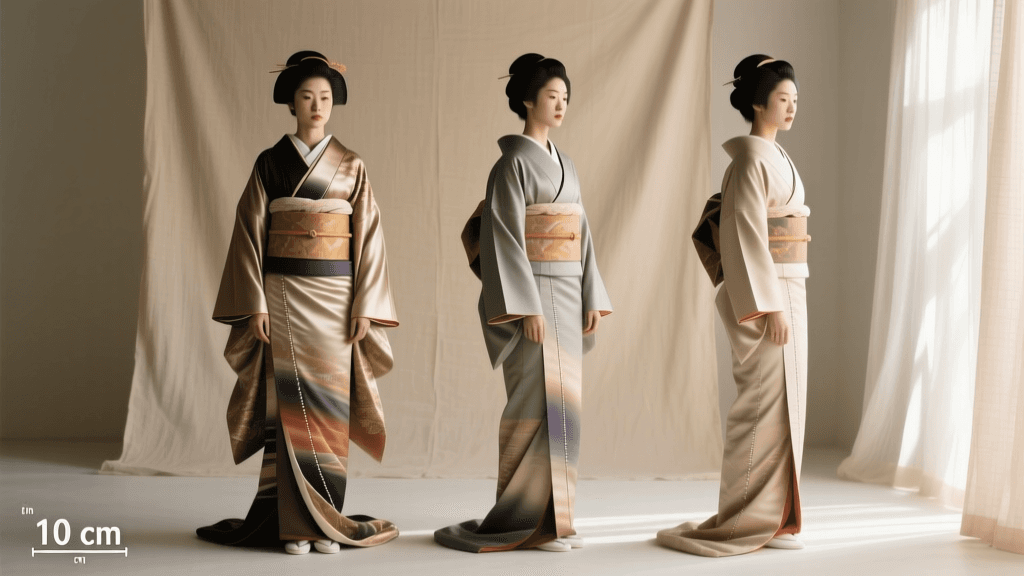
The Heian period represents the zenith of Japanese courtly aesthetics, isolated from mainland Asian influences and focused on hyper-refined domestic culture. The defining garment of this era for noblewomen was the junihitoe (twelve-layer robe). According to the Kyoto National Museum, the junihitoe was not merely clothing but a canvas for expressing seasonal awareness and poetic sensibility through kasane no irome (layered color combinations).
A formal junihitoe ensemble could weigh up to 20 kilograms (44 lbs) and consisted of multiple unlined and lined silk robes of varying sleeve lengths, culminating in the karaginu (a short Chinese-style jacket) and the mo (a pleated train). The craftsmanship required to weave, dye, and layer these garments was staggering, with colors subtly peeking out from the cuffs and hems to indicate the wearer's rank and the current season.
The Edo Period (1603–1867): The Kosode and the Merchant Class
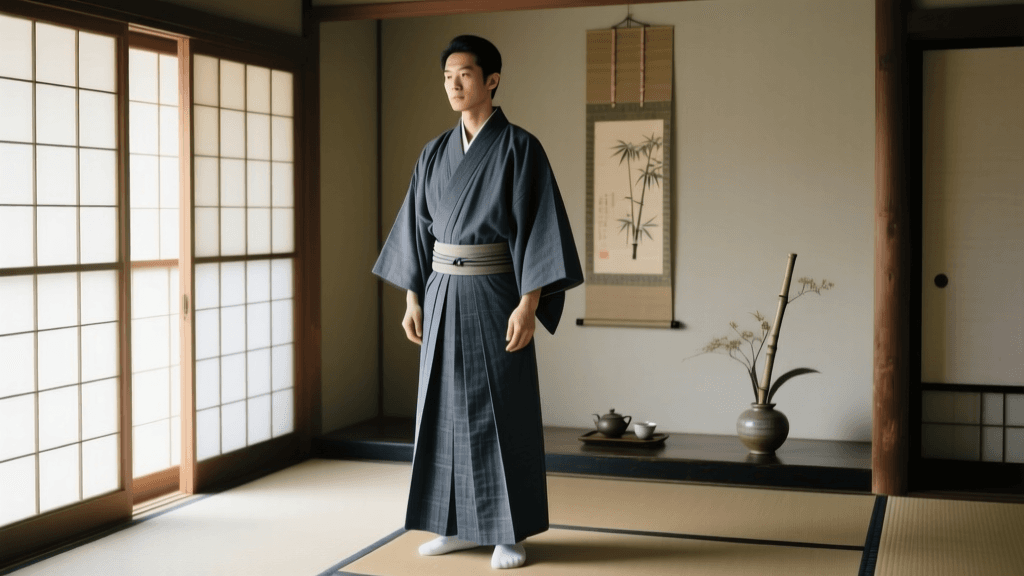
Fast forward to the Edo period, and the silhouette had radically transformed. The kosode (literally "small sleeve"), which was once merely an undergarment in the Heian period, became the primary outer garment for both men and women. The Metropolitan Museum of Art's Heilbrunn Timeline notes that the Edo period's prolonged peace and the rise of the wealthy merchant class (chonin) shifted fashion authority from the imperial court to the urban centers like Kyoto and Edo (modern Tokyo).
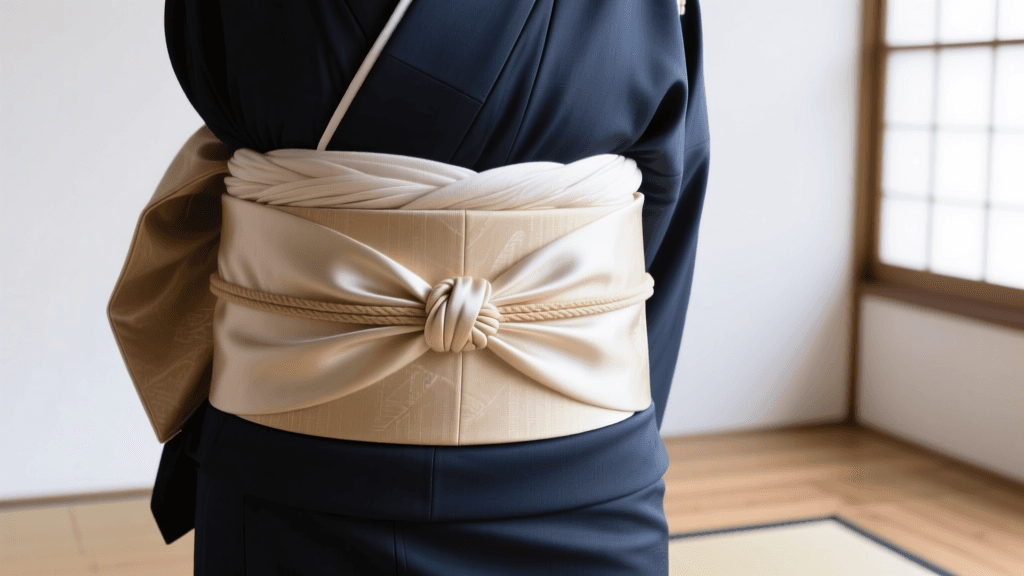
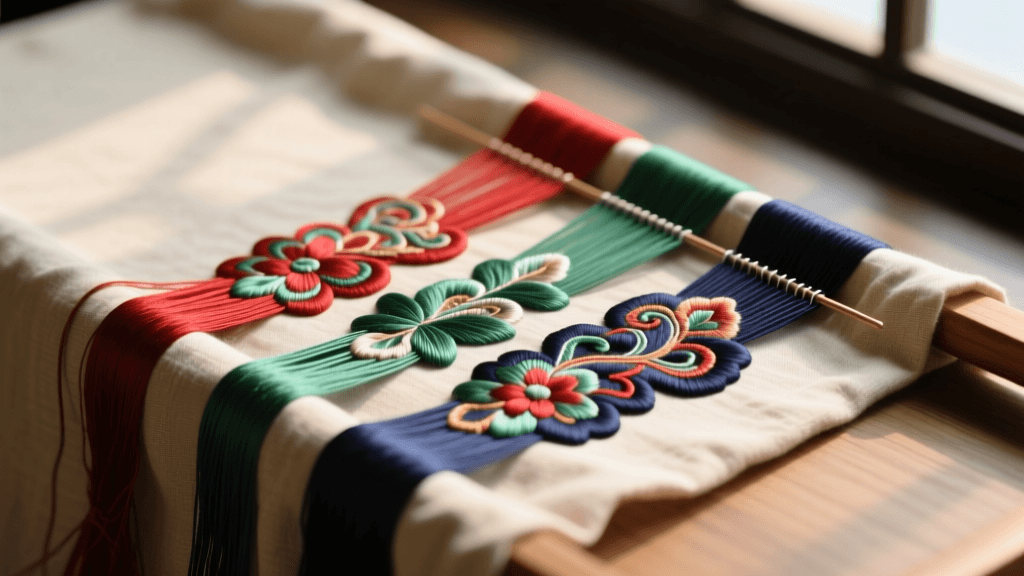
Sumptuary laws (ken'yakurei) frequently restricted the merchant class from wearing overtly luxurious fabrics. This led to the aesthetic of iki (subtle, hidden luxury) and the invention of yuzen dyeing in the late 17th century. Yuzen allowed artisans to paint intricate, pictorial designs directly onto silk using rice-paste resist, creating a canvas-like garment. Concurrently, the obi (sash) evolved from a narrow, functional cord measuring roughly 8 cm in width to a wide, decorative fukuro obi measuring up to 30 cm, fundamentally altering how the kosode was draped and secured.
Historical Garment Comparison Chart
Understanding the structural differences between these two eras is vital for authentication and styling. Below is a comparative breakdown of their defining characteristics:
| Feature | Heian Junihitoe (Court) | Edo Kosode (Urban/Merchant) |
|---|---|---|
| Primary Silhouette | Voluminous, floor-dragging, multi-layered | Streamlined, T-shaped, single outer layer |
| Total Weight | 10 kg – 20 kg (22 – 44 lbs) | 0.8 kg – 1.5 kg (1.7 – 3.3 lbs) |
| Obi (Sash) Width | N/A (Tied with thin silk cords) | 15 cm – 30 cm (Wide brocade or yuzen silk) |
| Primary Decoration | Layered color blocking (kasane) | Pictorial yuzen dyeing and gold embroidery |
| Modern Reproduction Cost | $5,000 – $15,000+ | $800 – $3,500 (Antique/Reproduction) |
The Collector’s Guide: Sizing, Acquisition, and Preservation
For collectors and practitioners looking to acquire historical garments or accurate reproductions, navigating the market requires specific knowledge of Japanese textile measurements and preservation techniques.
Understanding Tanmono and Historical Measurements
Unlike Western tailoring, which cuts fabric to fit the individual, traditional Japanese garments are constructed from a standard bolt of fabric called a tanmono. A standard tanmono measures approximately 36 cm (14 inches) in width and 11.5 meters (12.5 yards) in length. Because the fabric is rarely cut, the garment's size is dictated by how the straight panels are folded and sewn.
- Yuki (Arm Span): Measured from the base of the neck, over the shoulder, and down to the wrist. Antique Edo kosode often feature a shorter yuki (approx. 120-125 cm) compared to modern kimono (130 cm+), reflecting the smaller average stature of historical populations.
- Katahaba (Shoulder Width): The distance from the center back seam to the sleeve edge. Edo period garments typically have narrower shoulders (approx. 30-32 cm).
- Mitake (Back Length): Measured from the base of the neck to the hem. Historical garments were often worn with a deep fold (ohashori) at the waist, requiring a longer mitake relative to the wearer's height.
Actionable Tip: When purchasing an antique Edo kosode online, always request the exact yuki and mitake measurements in centimeters. If the yuki is under 125 cm, it will likely only fit a wearer under 5'4" (162 cm) comfortably.
Market Pricing, Timing, and Sourcing
Acquiring authentic Edo-period or Meiji-transition kosode requires strategic timing and budget allocation. According to insights from the Victoria and Albert Museum, the complexity of yuzen dyeing and the presence of metallic threads heavily dictate a garment's historical and monetary value.
- Antique Edo/Meiji Kosode: Expect to pay between $200 and $1,200 for authentic, wearable antiques. Pieces featuring intricate surihaku (gold leaf application) or early shibori (tie-dye) command the higher end of this spectrum.
- Heian Junihitoe Reproductions: Full museum-grade reproductions commissioned from Kyoto artisans (such as those associated with the Kyoto Costume Museum) cost between $5,000 and $15,000. Commissioning takes 8 to 14 months due to the custom weaving of the karaginu brocade.
- Timing Your Purchase: The best time to source high-quality antique garments is during the autumn and spring auction seasons in Kyoto. Additionally, visiting the Toji Temple Flea Market (Kobo-san) in Kyoto on the 21st of any month offers opportunities to find vintage obi and kosode fragments at a fraction of retail gallery prices, often starting around $50 to $150.
Archival Storage Solutions
Historical silks are highly susceptible to humidity, light damage, and acid degradation. To preserve an Edo-period kosode or a modern reproduction:
- Use Kiribako: Store garments in traditional kiribako (paulownia wood boxes). Paulownia naturally regulates humidity and repels insects. A new, custom-sized kiribako costs approximately $150 to $300.
- Acid-Free Barriers: Never let silk touch raw wood or cardboard. Wrap the folded garment in unbleached, acid-free tatou-shi (Japanese archival paper) or washed, undyed muslin.
- Refolding Schedule: To prevent permanent crease lines from breaking the historic silk fibers, refold the garment along different seam lines every six months.
"The kimono is not merely a garment; it is a wearable archive of Japanese history, where every dye technique, sleeve length, and obi knot whispers the socio-economic realities of its era."
Whether you are studying the layered poetry of the Heian court or the vibrant, rebellious yuzen designs of the Edo merchants, understanding the historical context and physical parameters of these garments transforms the act of collecting into an act of cultural preservation.