Hakama and Samue: Traditional Garments for Budo and Tea
The Intersection of Movement and Stillness in Japanese Garments
At first glance, the explosive, dynamic movements of Japanese martial arts (Budo) and the meticulous, tranquil rituals of the Japanese tea ceremony (Chado) appear to be polar opposites. However, both disciplines share a profound philosophical root in the concept of the dojo—the 'place of the way.' In both the martial arts studio and the tea room, the garments worn by practitioners are not merely clothing; they are tools that facilitate mindfulness, dictate posture, and express respect for the tradition.
For modern practitioners who navigate these traditional spaces, understanding the nuances of the hakama (pleated trousers) and the samue (monk's work garments) is essential. This guide explores the practical, historical, and functional aspects of these garments, providing actionable advice on sizing, fabric selection, and maintenance for both the martial artist and the tea practitioner.
Hakama: From the Dojo to the Tea Room
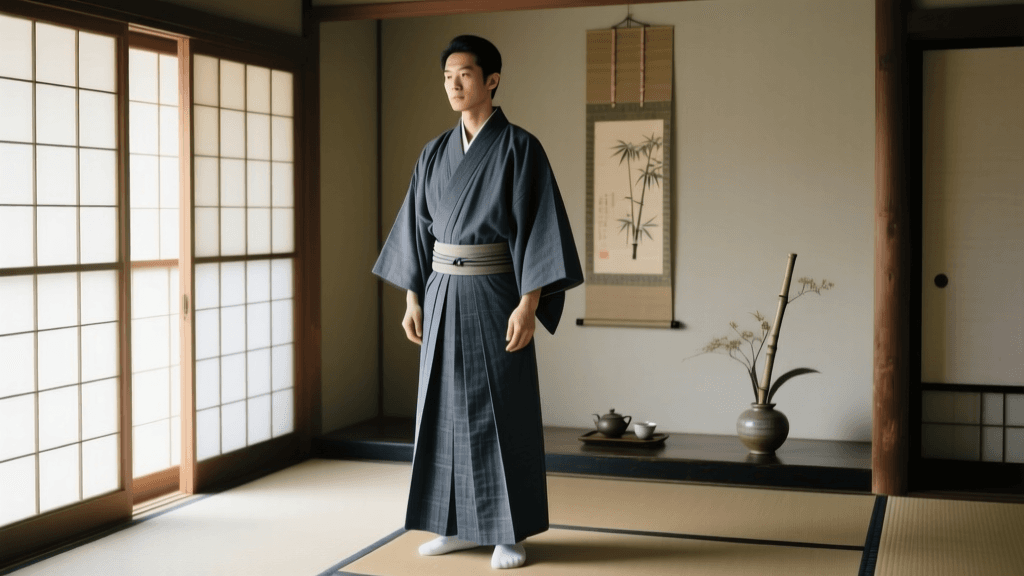
The hakama is perhaps the most iconic garment in Japanese traditional culture. Originally worn by the aristocracy and later adopted by the samurai class as formal and protective riding wear, the hakama eventually became a staple of formal attire and martial arts uniforms. According to the Metropolitan Museum of Art's historical overview of Japanese dress, the evolution of the kimono and its accompanying garments reflects shifting social hierarchies and practical needs, transitioning from the flowing, restrictive layers of the Heian court to the structured, mobile garments of the Edo period.
Umanori vs. Andon Hakama
When selecting a hakama, the first decision is the style:
- Umanori (Horse-Riding Hakama): These are split down the middle like trousers. They offer maximum mobility and are the standard for martial arts like Aikido, Kendo, Iaido, and Kyudo. The split prevents the fabric from catching on the knees during deep stances (kamae) and kneeling techniques (suwari-waza).
- Andon (Lantern Hakama): These are unsplit, resembling a wide, pleated skirt. They are traditionally worn by women for formal events, university graduations, and by some tea practitioners. In the tea room, an andon hakama provides a smooth, unbroken silhouette when kneeling in the formal seiza position, preventing the fabric from bunching awkwardly between the legs.
Sizing and Measurements
Unlike Western trousers, hakama are sized by their total length from the waistband (koshi-ita) to the hem. To get the correct fit:
- Wear your obi (belt) or martial arts belt tied at your natural waist, just below the navel.
- Measure from the top of the belt down to the prominent bone on the outside of your ankle.
- For martial arts, the hem should rest exactly 2 to 3 centimeters above the floor to prevent tripping during sweeps or footwork.
- For tea ceremonies, the hem should lightly graze the top of the foot when standing, ensuring modesty and a clean line.
Standard sizes range from 85cm (approx. 5'1') to 105cm (approx. 6'0'). Many specialized retailers offer custom hemming for an additional $15 to $25, which is highly recommended for serious practitioners.
Samue: The Ultimate Cross-Discipline Workwear
While the hakama is reserved for formal practice and demonstration, the samue is the unsung hero of traditional Japanese daily life. Originally designed as the work clothes for Zen Buddhist monks, the samue consists of a loose-fitting, kimono-sleeved jacket and matching drawstring trousers. Today, it is the preferred garment for mizuya (tea preparation room) work, dojo maintenance (soji), and artisanal crafts.
Why Tea Masters and Martial Artists Choose Samue
In the tea ceremony, the host must perform rigorous physical tasks before the guests arrive: carrying heavy iron kettles, hauling fresh water, and arranging charcoal. Wearing a formal silk kimono for this prep work would risk ruining the garment. The samue, typically made of durable cotton or hemp, allows for full range of motion while maintaining a dignified, traditional aesthetic. Furthermore, the tapered ankles of samue trousers ensure the fabric does not drag across the sacred tatami mats, adhering to the strict etiquette of never stepping on or dragging clothing over the mat borders (heri).
In the martial arts dojo, the samue is frequently worn by senior students and instructors during cleaning rituals or when performing administrative duties. It bridges the gap between the casual t-shirt and the formal keikogi (training jacket).
Fabric Choices and Costs
When investing in a samue, fabric dictates both the price and the longevity of the garment:
- Polyester/Cotton Blends ($40 - $80): Highly durable, wrinkle-resistant, and machine washable. Ideal for heavy dojo cleaning and outdoor garden work. However, they lack breathability and the traditional aesthetic.
- Standard Cotton ($80 - $130): Breathable and comfortable. Often dyed with synthetic indigo. Great for daily tea room preparation. Expect some shrinkage and fading over time.
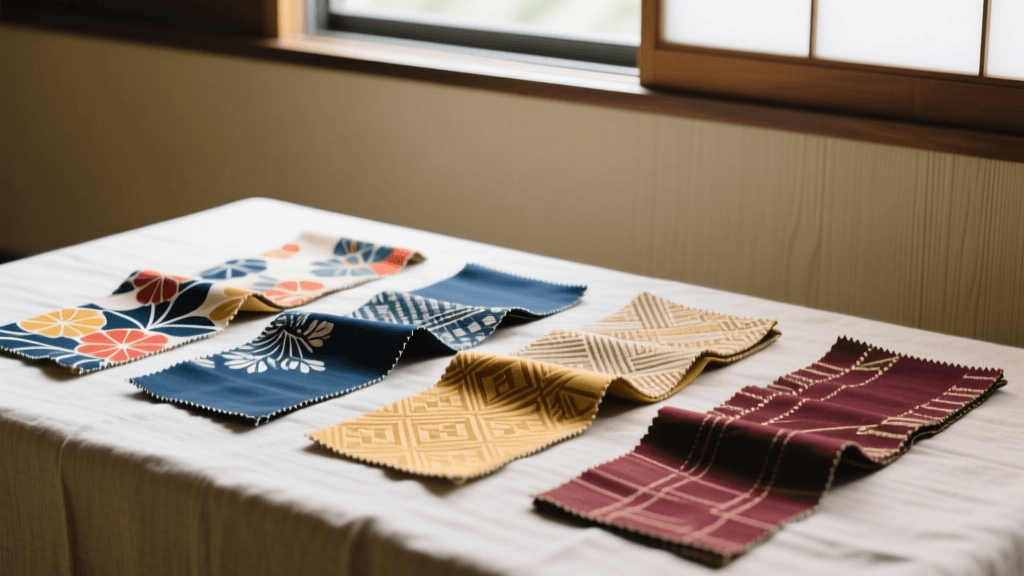
- Kurume-Gasuri Cotton ($150 - $250+): Woven using a traditional resist-dyeing technique from Fukuoka Prefecture. The fabric features subtle, intricate geometric patterns that are woven into the thread, not printed. This is the gold standard for tea masters and serious practitioners. It softens beautifully with age and wear.
Garment Comparison Chart
To help you decide which garment is appropriate for your specific traditional practice, refer to the comparison chart below:
| Garment | Primary Use Case | Standard Fabric | Mobility | Avg. Cost (USD) | Maintenance Level |
|---|---|---|---|---|---|
| Umanori Hakama | Martial Arts (Aikido, Kendo, Iaido) | Tetron (Poly) or Cotton | High | $45 - $120 | Low to Medium |
| Andon Hakama | Tea Ceremony, Formal Events | Silk or High-grade Poly | Low (Standing/Kneeling only) | $80 - $300+ | High (Dry Clean) |
| Samue | Tea Prep, Dojo Cleaning, Artisan Work | Cotton, Hemp, or Kurume-Gasuri | Very High | $60 - $250 | Low (Machine Wash) |
| Keikogi (Jacket) | Active Martial Arts Training | Heavy Cotton Canvas or Sashiko | High | $50 - $150 | Medium (Air Dry) |
Care, Maintenance, and the Art of Folding
Owning traditional Japanese garments requires a commitment to their care. The way you handle your clothing is considered an extension of your discipline.
Washing Indigo and Cotton
Authentic indigo-dyed (aizome) hakama and samue require special care. Indigo dye continues to release pigment for the first several washes. Always wash these garments alone in cold water using a pH-neutral detergent. Never use bleach or fabric softeners, as they will strip the natural oils from the cotton and cause the indigo to turn a dull, muddy gray. For martial arts hakama made of Tetron (a polyester-rayon blend), warm water and standard detergent are perfectly fine, and they can be tumble-dried on low, though air-drying is preferred to maintain the sharpness of the pleats.
The Ritual of Folding the Hakama
Folding a hakama is a meditative practice in itself, often taught in the first few weeks of Aikido or Iaido training. The standard hakama features seven pleats: five in the front and two in the back. While popular folklore attributes these to the seven virtues of the samurai (Bushido), historians note they were originally designed for structural balance and ease of movement. As noted in comprehensive guides on traditional Japanese dress, the geometry of these garments is deeply tied to their functional origins.
Quick Folding Guide:
- Lay the hakama face down on a clean, flat surface.
- Align the back seams and smooth out the two back pleats.
- Flip the garment over and align the five front pleats, ensuring the outer edges fold inward neatly.
- Fold the left and right sides toward the center, creating a long, narrow rectangle.
- Fold the bottom hem up toward the koshi-ita (the rigid back plate) in thirds. Never fold directly over the koshi-ita, as this will crack and damage the internal stiffener.
- Wrap the long front himo (strings) around the folded bundle, securing them with the short back strings using a traditional cross knot.
Conclusion
Whether you are drawing a sword in the dojo, whisking matcha in the tea room, or simply sweeping the wooden floors of your practice space, the garments you wear shape your experience. The hakama demands a grounded, deliberate posture, reminding the wearer of the weight of tradition with every step. The samue offers the quiet dignity of labor, allowing the practitioner to serve their art without the hindrance of restrictive formalwear. By understanding the specific measurements, fabrics, and care routines for these garments, you ensure that your traditional wardrobe will support your practice for decades to come.