Sourcing and Wearing Ainu Attush and Ryukyuan Bingata
Introduction to Japan's Indigenous and Minority Textiles
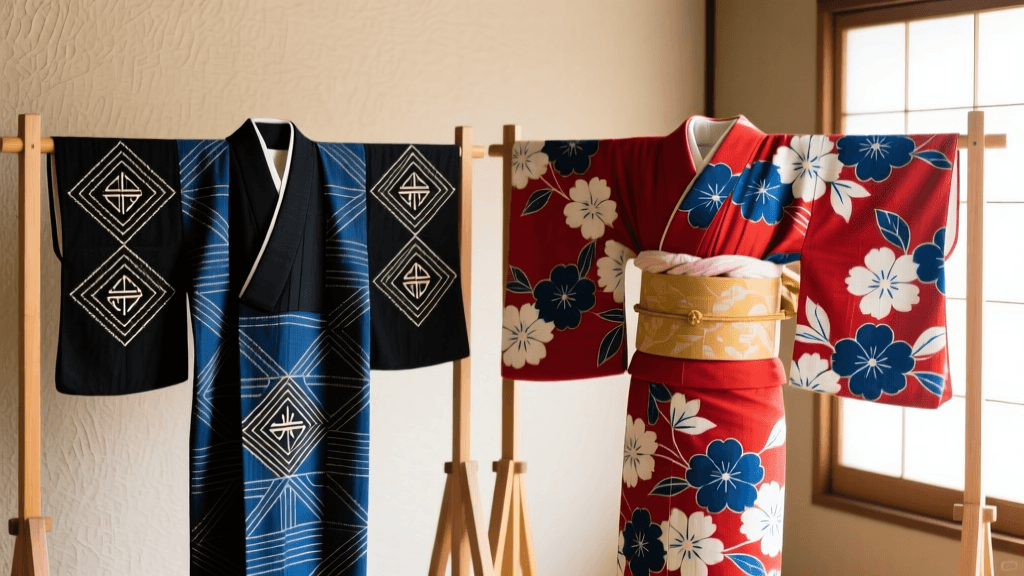
When discussing traditional Japanese clothing, the global imagination almost exclusively gravitates toward the Yamato majority's silk kimono, obi, and hakama. However, the Japanese archipelago is home to rich, distinct indigenous and ethnic minority cultures with their own profound textile traditions. In the northernmost island of Hokkaido, the Ainu people have cultivated resilient, nature-bound weaving techniques. Conversely, in the southernmost prefecture of Okinawa, the Ryukyuan people developed vibrant, trade-influenced dyeing methods that reflect a history of maritime connection.
For textile collectors, cultural practitioners, and fashion historians, understanding and acquiring authentic Ainu and Ryukyuan garments requires specific knowledge. This guide provides actionable advice on sourcing, sizing, wearing, and maintaining two of Japan's most extraordinary ethnic minority textiles: Ainu attush and Ryukyuan bingata.
Ainu Attush: The Elm Bark Cloth of Hokkaido
Attush (also spelled attus) is a traditional Ainu textile woven from the inner bark of the Japanese elm (ohyo) or the Manchurian elm. Historically, this durable, water-resistant fabric was the cornerstone of everyday Ainu workwear, designed to withstand the harsh, snowy conditions of Hokkaido.
The Craftsmanship of Attush
The creation of attush is intensely laborious. According to the cultural preservation resources at the National Ainu Museum and Park (Upopoy), the bark is harvested in early summer, soaked in rivers or hot springs to soften, and then meticulously split into fine, uniform threads by hand. These threads are woven on an attush-ni, a traditional Ainu backstrap loom, resulting in a fabric with a distinct, earthy texture and natural brown hues.
While plain attush was used for daily labor, formal garments—known as attush-amip—were heavily decorated with appliquéd cotton patches and intricate embroidery (uporpe and kirip). These motifs, often featuring the iconic 'moreu' (swirl) and 'aiushi' (thorn) patterns, were placed at the hems, collar, and cuffs to protect the wearer from malevolent spirits.
Sourcing Authentic Attush
Authentic, hand-woven attush is rare and highly prized. To acquire genuine pieces, buyers should look to specialized cooperatives rather than mass-market souvenir shops.
- Nibutani Craft Cooperatives: The Nibutani region in Hokkaido is the heartland of Ainu woodworking and textile crafts. Purchasing directly from certified artisans in the Biratori area ensures authenticity.
- Upopoy Museum Shop: The official museum shop in Shiraoi offers high-quality, artisan-made attush accessories, wallets, and small garments.
- Cost Expectations: Small attush pouches or wallets range from $40 to $120 USD. A full, authentic hand-woven attush robe with traditional appliqué work typically costs between $400 and $1,500 USD, depending on the complexity of the embroidery and the age of the piece.
Ryukyuan Bingata: The Vibrant Dyes of Okinawa
Bingata is a traditional Okinawan resist-dyeing technique characterized by its bold, contrasting colors and motifs inspired by Ryukyuan flora, fauna, and Chinese-influenced auspicious symbols. Developed during the Ryukyu Kingdom era (15th–19th centuries), bingata was originally reserved for royalty and the warrior class before becoming accessible to the general public.
The Craftsmanship of Bingata
The bingata process is a masterclass in precision. Artisans carve intricate stencils (katagami) from mulberry paper treated with persimmon tannin. A thick rice-bran resist paste is applied through the stencil onto the fabric. Once the paste dries, natural pigments are painted into the stenciled areas using stiff brushes. Traditional dyes include vibrant yellow from the fukugi tree, deep blue from Ryukyuan indigo, and rich red from sappanwood or cochineal. The Tokyo National Museum houses extensive historical collections of Ryukyuan bingata, showcasing the evolution of these natural dye recipes over centuries.
Sourcing Authentic Bingata
As highlighted by the Japan National Tourism Organization (JNTO), Okinawan crafts are a vital part of the region's cultural identity. When sourcing bingata, it is crucial to distinguish between hand-dyed artisan pieces and mass-produced, screen-printed imitations.
- Chinen Bingata & Eiho Bingata: These historic, family-run studios in Naha and Shuri offer authentic, hand-dyed garments and accept custom commissions.
- Naha City Traditional Arts and Crafts Center: An excellent hub for purchasing certified bingata obi, kimono, and modern apparel directly from vetted local artisans.
- Cost Expectations: A standard, hand-dyed bingata obi (sash) costs between $300 and $900 USD. A full, custom-dyed bingata kimono bolt (tanmono) starts around $2,500 USD and can exceed $10,000 USD for master-level pieces featuring gold leaf (kinpaku) accents.
- Timing: Custom bingata commissions require significant lead time. Expect to wait 3 to 6 months for a full kimono bolt due to the weather-dependent drying processes and meticulous hand-painting.
Practical Guide: Sizing and Wearing Minority Garments
Wearing Ainu and Ryukyuan garments requires an understanding of traditional measurements, which differ significantly from modern Western tailoring and even standard Yamato kimono sizing.
Sizing and Measurements
Both attush and bingata fabrics are traditionally woven or dyed in tanmono bolts. The standard width of a tanmono is approximately 35 to 38 centimeters (14 to 15 inches). Because the fabric is narrow, garments are constructed by sewing straight panels together without cutting the cloth, preserving the fabric's integrity.
- Ainu Attush Sizing: Traditional Ainu robes are generally sized by length rather than width. They are designed to be wrapped and secured with a woven sash or leather belt. When purchasing, ensure the mitake (back length) is at least 110 cm for a proper knee-length wrap.
- Ryukyuan Bingata Sizing: Ryukyuan kimono follow standard Japanese kimono measurements. You must know your yuki (center-back to wrist measurement) and mitake (height minus 30 cm). If buying vintage bingata, note that historical garments often have shorter sleeve drops (sode-take) than modern standard kimono.
Styling and Wearing
When wearing bingata, it is traditionally paired with a subtle, solid-colored under-kimono to allow the vibrant patterns to stand out. In Okinawa, formal bingata is often accessorized with a jifaa (traditional Ryukyuan hairpin) and a wider, softer obi tied in a drum or butterfly knot. Attush, being much stiffer and more textured, is best worn over a soft cotton or linen under-layer to prevent skin irritation. It is typically secured with a simple, dark cotton sash or a traditional Ainu woven belt featuring geometric patterns.
Comparison Chart: Attush vs. Bingata
| Feature | Ainu Attush | Ryukyuan Bingata |
|---|---|---|
| Primary Material | Japanese Elm inner bark (Ohyo) | Silk, Cotton, or Hemp |
| Origin Region | Hokkaido (Northern Japan) | Okinawa (Southern Japan) |
| Technique | Backstrap loom weaving, appliqué | Stencil resist-dyeing, hand-painting |
| Texture & Weight | Stiff, textured, highly durable | Smooth, lightweight, breathable |
| Price Range (USD) | $40 (accessories) - $1,500 (robes) | $300 (obi) - $10,000+ (kimono) |
| Custom Lead Time | 1 - 3 months | 3 - 6 months |
Care and Maintenance for Minority Textiles
Preserving these ethnic minority textiles requires specialized care, as their natural fibers and dyes react differently to environmental factors than modern synthetic fabrics.
Caring for Attush
Elm bark fiber is naturally resistant to water and rot, which made it ideal for Hokkaido's climate. However, modern indoor heating can dry out the fibers, making them brittle.
- Storage: Store attush garments flat or loosely rolled. Never hang heavy attush robes on thin wire hangers, as the weight of the wet or humid bark can cause the shoulder seams to tear.
- Cleaning: Do not machine wash or dry clean attush. Spot clean with a damp cloth and a mild, pH-neutral soap. Use a soft-bristled brush to gently remove dust from the textured weave.
- Conditioning: Occasionally, artisans recommend lightly misting the garment with distilled water in highly arid environments to maintain the bark's natural flexibility.
Caring for Bingata
Natural dyes used in traditional bingata are highly sensitive to ultraviolet light and alkaline chemicals.
- Light Exposure: Prolonged exposure to direct sunlight will rapidly fade the vibrant yellows and reds of natural bingata. Store garments in a dark, climate-controlled tansu (wooden chest).
- Cleaning: Authentic bingata silk must only be cleaned by specialized kimono dry cleaners (arimono-ya) who understand natural resist dyes. Standard dry-cleaning chemicals can strip the rice-paste resist remnants and alter the pH of the natural pigments.
- Handling: The resist-dyeing process can leave the fabric slightly stiff where the heavy pigment layers sit. Avoid sharp, repetitive folding along the exact same crease lines to prevent the dyed areas from cracking over time.
Conclusion
Exploring the textile traditions of the Ainu and Ryukyuan people offers a profound window into the diverse cultural tapestry of the Japanese archipelago. Whether you are investing in a meticulously hand-dyed bingata obi for a formal tea ceremony, or sourcing a rugged, beautifully appliquéd attush jacket for a historical textile collection, understanding the origins, measurements, and care requirements of these garments is essential. By supporting certified indigenous cooperatives and traditional Okinawan studios, collectors and enthusiasts play a direct role in ensuring that these magnificent ethnic minority crafts survive and thrive in the modern era.