Neo-Trad Tokyo: Styling Haori And Hakama Streetwear
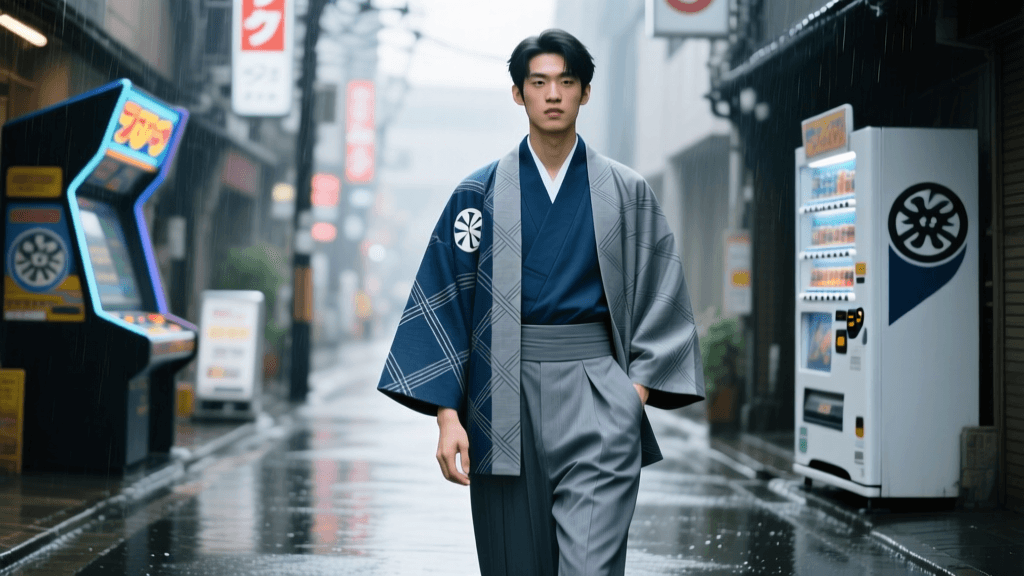
The Neo-Trad Movement in Tokyo Street Fashion
The streets of Harajuku, Daikanyama, and Shimokitazawa have long been the global epicenter of avant-garde streetwear. Yet, in recent years, a distinct "Neo-Trad" movement has emerged, blending centuries-old Japanese tailoring with contemporary urban aesthetics. At the heart of this revival are the haori (traditional hip- or thigh-length jacket) and the hakama (pleated, wide-leg trousers). Once strictly reserved for tea ceremonies, martial arts, or formal coming-of-age ceremonies, these garments are now being reimagined by Tokyo's youth as everyday streetwear staples.
According to the Victoria and Albert Museum's "Kimono: Kyoto to Catwalk" exhibition, the kimono and its associated outerwear have always been dynamic, evolving with trade, social shifts, and fashion trends. Today's streetwear revival is no different. By pairing structured silk haori with oversized graphic tees, or styling cotton hakama with chunky sneakers, modern wearers are breaking the rigid rules of traditional kitsuke (dressing) and prioritizing personal expression, comfort, and silhouette.
"Traditional Japanese garments are not relics of the past; they are living textiles that evolve with the bodies that wear them. The modern street-style approach strips away the intimidation of formality, focusing instead on the drape, the textile, and the attitude."
— Curatorial notes on contemporary Japanese dress adaptations
Decoding the Haori: From Formalwear to Streetwear Staple
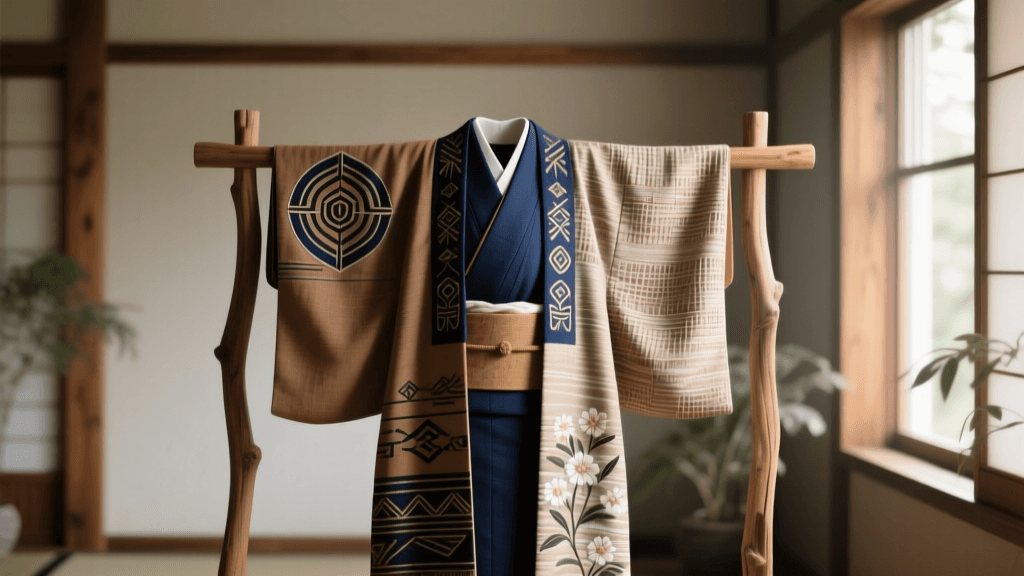
The haori is inherently designed for layering. Historically worn over the kimono to provide warmth or denote status, its straight, T-shaped construction makes it an ideal substitute for modern outerwear like trench coats, cardigans, or bomber jackets. In the Neo-Trad scene, the haori is almost always worn open, allowing the inner layers to contrast with the intricate outer patterns.
Vintage Oshima Tsumugi (pongee silk) haori are particularly prized in streetwear for their muted, cross-dyed geometric patterns and incredible durability. For a modern street look, stylists often pair a mid-thigh vintage haori with a heavyweight cotton turtleneck, wide-leg denim, and leather derbies.
Actionable Guide: Sizing and Buying a Street-Style Haori
Unlike Western jackets, haori do not have complex shoulder seams or darts. The fit is determined primarily by the yuki (sleeve length from center back neck) and the overall length. For a contemporary streetwear silhouette, you want a "drop" (the difference between your actual shoulder width and the garment's shoulder width) to create a relaxed, slouchy drape.
| Measurement | Traditional Fit | Neo-Trad Streetwear Fit | How to Measure |
|---|---|---|---|
| Yuki (Sleeve/Shoulder) | Matches wrist bone exactly | Extends 3-5 cm past wrist | Center back neck to wrist, arm relaxed at side |
| Katahaba (Shoulder Width) | Edge to edge of shoulders | Drops 5-10 cm off the shoulder | Straight line across the upper back |
| Mitake (Back Length) | Mid-thigh | Hip to upper-knee | Center back neck down to desired hemline |
Timing & Sourcing: Visit Tokyo's Koenji Antique Market on Sundays or Shimokitazawa's vintage stores (like New York Joe Exchange). For winter wools and heavy silks, shop in mid-January when prices drop. For summer ro (gauze) and sha (leno weave) silks, hunt in late February before the seasonal rush.
Hakama Trousers: Pleats Meet Pavement
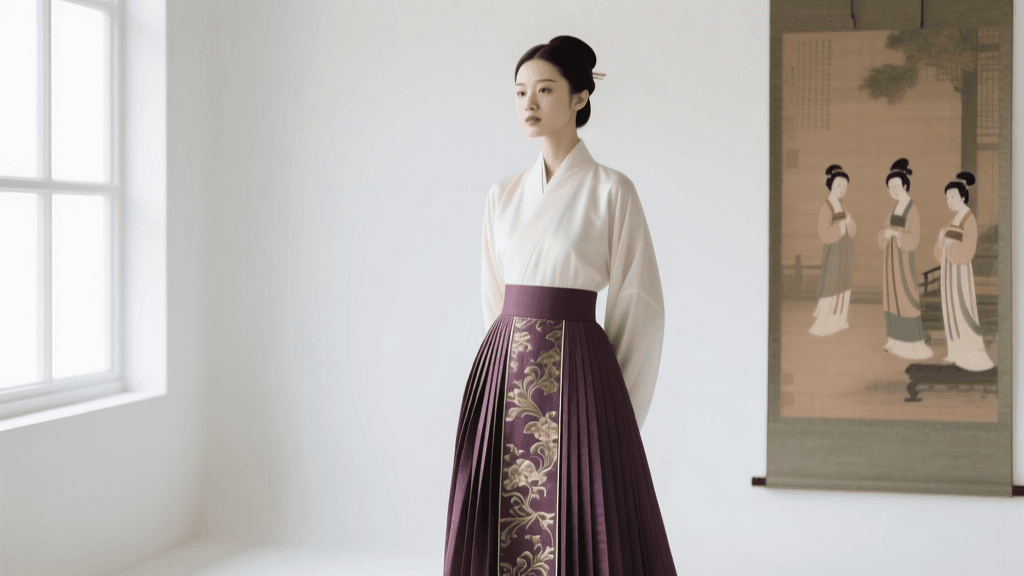
While the haori acts as outerwear, the hakama serves as the foundational bottom layer. Originally worn by samurai for horseback riding and later adopted by scholars and martial artists, the hakama features deep, structured pleats that create a striking, voluminous silhouette. The Metropolitan Museum of Art notes that the hakama's pleating was historically a symbol of status and discipline, but today, it is a masterclass in volumetric streetwear.
Modern adaptations often feature tapered ankles or are crafted from technical fabrics, cotton-linen blends, or heavy canvas, making them suitable for urban commuting. Brands like SOU-SOU Kyoto have pioneered the "modern hakama," offering them in vibrant contemporary prints and easy-care cottons that can be machine washed.
Actionable Guide: Styling and Measuring Hakama for Daily Wear
Wearing traditional silk hakama on the street is impractical due to the delicate fabric and complex tying methods. For streetwear, opt for modern andon-bakama (lantern hakama, which are tube-shaped rather than divided like culottes) or tailored cotton blends. Pair them with a cropped jacket to maintain your waistline, and finish with chunky footwear like the Nike Air Max 95 or Balenciaga Track sneakers to ground the volume of the pleats.
- Heavyweight Cotton Canvas: Best for autumn/winter. Holds the pleat structure beautifully even in wind. Pairs well with combat boots.
- Linen-Cotton Blends: Ideal for spring/summer. Breathable with a relaxed drape. The wrinkles add a "wabi-sabi" aesthetic favored in Neo-Trad styling.
- Technical Nylon/Polyester: Water-resistant and lightweight. Perfect for tech-wear crossover looks; often features snap-buttons at the hem for tapering.
The Himo (Cords): Traditional hakama require complex knotting. Modern streetwear hakama often replace the long himo cords with internal elastic waistbands, hidden drawstrings, or clip-on belts. If your vintage pair has cords, simply wrap them around the waist twice and tie a standard bow at the front, tucking the excess fabric into the waistband for a clean, utilitarian look.
Budgeting for Your Neo-Trad Wardrobe
Building a Neo-Trad wardrobe can range from incredibly affordable (via vintage recycling) to high-end (via contemporary artisan brands). Here is a practical cost breakdown to help you plan your purchases, based on current Tokyo market rates (approximate USD conversions included).
| Garment Type | Vintage / Thrift (Shimokitazawa/Koenji) | Modern Neo-Trad Brands (e.g., SOU-SOU, Y's) | Maintenance Cost (Annual) |
|---|---|---|---|
| Silk Haori (Patterned) | ¥3,000 - ¥8,000 ($20 - $55) | ¥25,000 - ¥45,000 ($170 - $300) | ¥2,000 (Dry cleaning / spot treat) |
| Wool Haori (Winter) | ¥4,000 - ¥10,000 ($27 - $68) | ¥30,000 - ¥60,000 ($200 - $400) | ¥1,500 (Brushing / occasional wash) |
| Cotton Hakama (Modern) | ¥5,000 - ¥12,000 ($34 - $80) | ¥18,000 - ¥28,000 ($120 - $190) | ¥500 (Home machine wash) |
| Silk Hakama (Formal) | ¥8,000 - ¥15,000 ($54 - $100) | ¥40,000+ ($270+) | ¥5,000 (Specialist pleat pressing) |
Pro-Tip: When buying vintage silk haori, always check the underarm gussets (machimono) and the inner lining for yellowing or sweat stains. A ¥3,000 haori might require a ¥5,000 professional cleaning, negating the bargain. Conversely, modern cotton hakama from brands like SOU-SOU are designed for daily abuse and can be tossed in a standard washing machine on a cold, gentle cycle.
Real-World Inspirations and Brand Spotlights
To truly understand the Neo-Trad movement, one must look at the designers and subcultures driving it. SOU-SOU, based in Kyoto, collaborates with traditional textile mills to produce tabi boots, modern hakama, and casual haori that bridge the gap between heritage craft and streetwear utility. Their "Igai" line specifically reimagines the hakama for the modern commuter, utilizing stretch-cotton and simplified waistbands.
Meanwhile, in the realm of high fashion, designers like Yohji Yamamoto and Issey Miyake have spent decades abstracting the geometry of the kimono and hakama. Yamamoto's signature draped, asymmetrical silhouettes are direct descendants of the haori's open-front construction. Streetwear enthusiasts often mix a vintage, brightly lined silk haori with a monochromatic, avant-garde Yohji Yamamoto base layer, creating a striking contrast between Edo-period craftsmanship and 1990s Parisian-Japanese minimalism.
Conclusion
The revival of the haori and hakama in modern streetwear is a testament to the timelessness of Japanese garment construction. By prioritizing the drape of the fabric, the geometry of the pleats, and the art of layering, contemporary wearers are ensuring these traditions survive—not behind museum glass, but on the pavement. Whether you are hunting for a deadstock Meiji-era silk jacket in a Tokyo thrift bin or investing in a modern, tech-wear hakama, the key to Neo-Trad styling is confidence. Break the rules, ignore the traditional dressing manuals, and let the textiles speak for themselves.