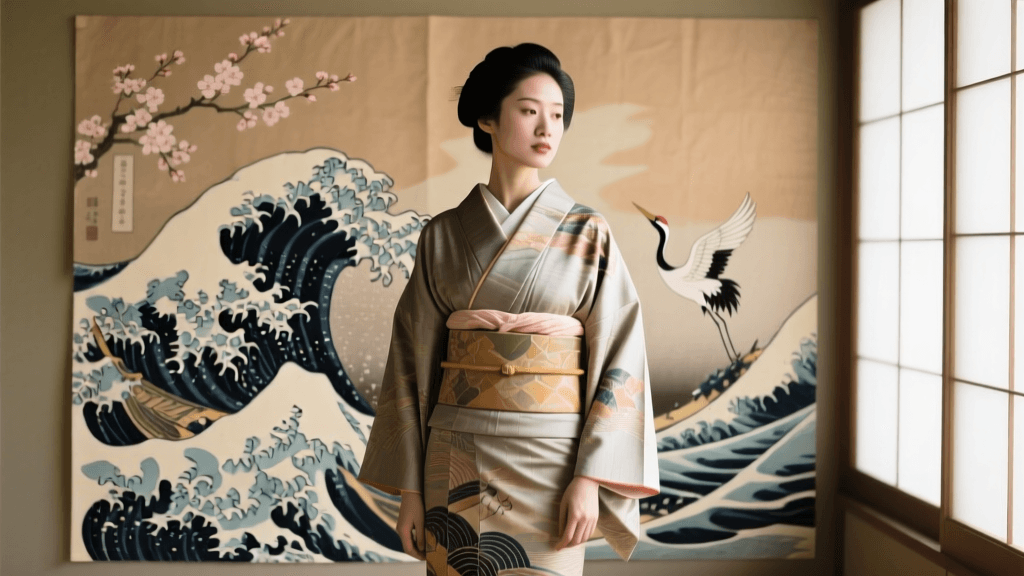
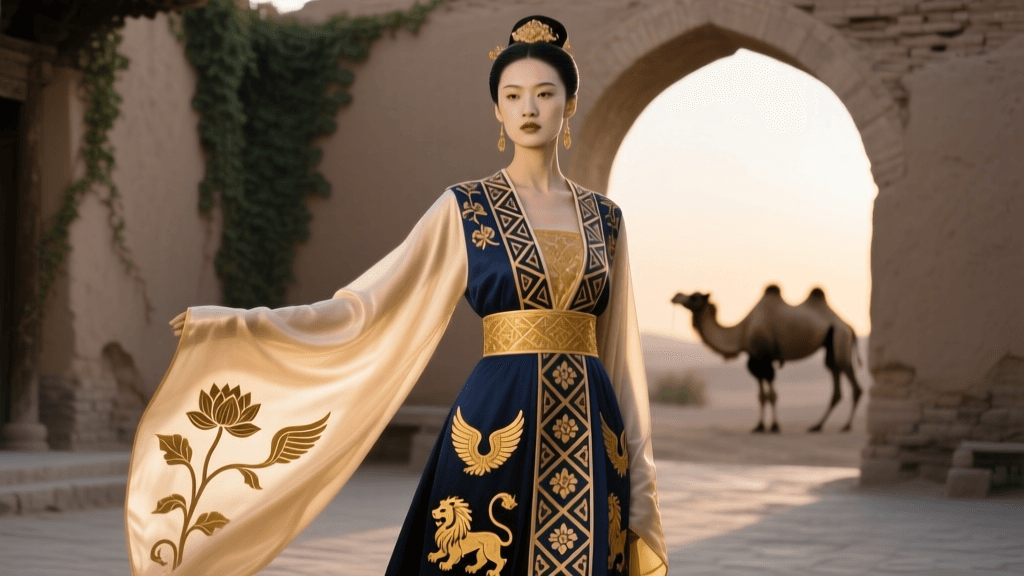
Regional Kimono Styles: Okinawan Ryusou to Oshima Tsumugi
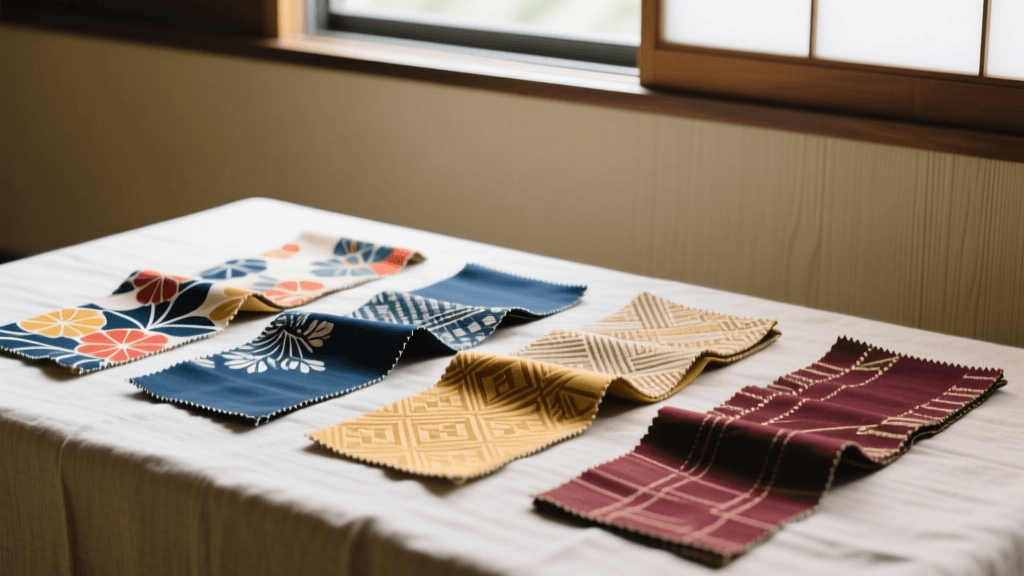
Introduction to Japan's Regional Textile Heritage
When the world envisions traditional Japanese clothing, the image that invariably comes to mind is the mainland kimono—a T-shaped, straight-lined robe worn with a thick, restrictive obi sash. However, Japan's diverse geography, spanning from the subarctic northern island of Hokkaido to the subtropical Ryukyu archipelago in the south, has birthed a rich tapestry of regional garment variations. These prefecture-specific textiles and indigenous garments are deeply intertwined with local microclimates, native flora, and historical trade routes. For collectors, cultural enthusiasts, and practitioners of traditional Japanese dress, understanding these regional variations offers a profound glimpse into the localized ingenuity of Japanese craftsmanship.
Okinawa: The Tropical Elegance of Ryusou and Bingata
Before its annexation by Japan, Okinawa was the center of the Ryukyu Kingdom, a prosperous maritime trading hub. The traditional garment of this region is the Ryusou. Unlike the mainland kimono, which relies on a tightly bound obi to secure the garment, the Ryusou is designed for maximum airflow in a humid, subtropical climate. It features wider sleeves, a looser fit, and is traditionally secured with a simple, thin sash or tied at the front. The preferred materials are bashofu (woven from banana plant fibers) and jofu (high-quality ramie), both of which are exceptionally breathable and moisture-wicking.
Textile Focus: Bingata Dyeing
Okinawa is also world-renowned for Bingata, a vibrant resist-dyeing technique that emerged in the 14th century. Utilizing stencils cut from mulberry paper and a soybean milk resist, artisans apply bold pigments—traditionally derived from local plants, minerals, and even imported cochineal—to create motifs of tropical flora, fauna, and ocean waves. According to the Okinawa Prefectural Government's cultural archives, the brilliant yellows and reds of Bingata were historically reserved for royalty and high-ranking officials.
Actionable Advice for Okinawan Textiles
- Timing & Wear: Bingata is highly favored for summer festivals, resort wear, and stage performances. Because the dyes are vivid, it is best worn during daylight outdoor events.
- Costs: If you are visiting Naha, local cooperatives offer Bingata stencil-carving and dyeing workshops (approx. ¥5,500 for 90 minutes). When purchasing a vintage Bingata obi, expect to pay between ¥15,000 and ¥40,000. A new, master-crafted Bingata kimono starts at ¥500,000.
- Care: Bashofu and ramie Ryusou should be hand-washed in cool water with a neutral pH detergent. Never wring the fabric; press out water between towels and dry flat in the shade to prevent UV fading of natural dyes.
Kagoshima: The Resilience of Oshima Tsumugi
Traveling north to the Amami Oshima islands in Kagoshima Prefecture, we encounter Oshima Tsumugi, one of Japan's most prestigious and labor-intensive silk textiles. This fabric is famous for its deep, subdued black and brown hues, achieved through a unique mud-dyeing process (dorozome). The silk threads are first dyed with tannin extracted from the native teichi (ironwood) tree, and then repeatedly submerged in iron-rich paddy mud. The chemical reaction between the tannin and iron creates a profound, colorfast black that is remarkably resistant to dirt and moisture.
Craftsmanship and Kasuri Patterns
Oshima Tsumugi is also celebrated for its kasuri (ikat) patterns, where threads are tie-dyed before weaving to create blurred, geometric, or tortoiseshell motifs. The weaving is done on traditional shime-bata looms, requiring immense precision to align the dyed threads perfectly.
Actionable Advice for Oshima Tsumugi
- Measurements & Tailoring: When commissioning a bespoke Oshima Tsumugi, you must account for fabric shrinkage. The mud-dyeing and repeated washing processes can cause the silk to contract. Always order a standard tanmono (a bolt of fabric measuring 36cm wide and 12m long) but instruct your tailor to pre-wash the fabric or add a 5-10% allowance to your mitake (back length) and yuki (shoulder-to-wrist) measurements.
- Costs: Authentic Oshima Tsumugi is an investment. Prices range from ¥300,000 for basic kasuri patterns to over ¥1,500,000 for complex, hand-tied tortoiseshell patterns woven by certified masters.
- Styling: Due to its subdued elegance and high durability, Oshima Tsumugi is ideal for autumn and winter wear, pairing beautifully with a contrasting, vibrant obi to offset the dark, muted tones of the garment.
Niigata: The Breathable Luxury of Echigo-jofu
In the snowy, mountainous region of Niigata Prefecture, artisans produce Echigo-jofu, a premium ramie textile designated as a UNESCO Intangible Cultural Heritage. The defining characteristic of Echigo-jofu is yuki-zarashi (snow bleaching). In late winter, the woven ramie cloth is laid out on the snowfields. As the sun hits the snow, it generates ozone, which naturally bleaches the fabric to a pristine, luminous white and softens the stiff ramie fibers. As noted by UNESCO's heritage registry, this technique has been practiced for over a millennium and represents a harmonious relationship between human craftsmanship and harsh natural environments.
Actionable Advice for Echigo-jofu
- Timing & Wear: Echigo-jofu is the ultimate luxury for Japan's humid rainy season (tsuyu) and peak summer months (July and August). Its crisp texture and exceptional heat conductivity make it feel cool against the skin.
- Undergarments: Pair it with a lightweight silk or linen nagajuban (undergarment) to maximize airflow and protect the outer garment from sweat and body oils.
- Costs: Because the snow-bleaching process can only occur during a brief window in February and March, production is severely limited. Authentic Echigo-jofu kimono start around ¥400,000, with antique Edo-period pieces fetching millions at auction.
Tohoku: The Pragmatic Warmth of Nanbu Sakiori
In the harsh, snowy winters of the Tohoku region (particularly Iwate and Aomori prefectures), cotton and silk could not be cultivated. Farmers developed Nanbu Sakiori, a rag-weaving technique where old, worn-out cotton and silk garments were torn into thin strips and woven on looms to create thick, heavy, and insulating textiles. Originally born of absolute necessity, Sakiori is now celebrated for its rustic beauty, vibrant color mixing, and sustainability.
Actionable Advice for Sakiori
- Modern Application: While full Sakiori kimono are rare and heavy, the textile is highly sought after for winter haori (jackets), obi sashes, and modern interior design accents like table runners and zaisu (floor chair) cushions.
- Sourcing & Costs: Vintage Sakiori obi are highly affordable and accessible, typically ranging from ¥20,000 to ¥80,000 at antique markets and specialized rural cooperatives.
Comparison Chart: Regional Japanese Garments & Textiles
| Region / Prefecture | Primary Garment / Textile | Material | Best Season | Estimated Cost (JPY) |
|---|---|---|---|---|
| Okinawa | Ryusou / Bingata | Ramie, Banana Fiber, Silk | Summer / Festivals | ¥150,000 - ¥800,000 |
| Kagoshima (Amami) | Oshima Tsumugi | Silk (Mud-dyed) | Autumn / Winter / Spring | ¥300,000 - ¥1,500,000 |
| Niigata | Echigo-jofu | Choma (Ramie) | Early Summer / Humid Months | ¥400,000 - ¥2,000,000 |
| Iwate / Tohoku | Nanbu Sakiori | Recycled Cotton / Silk Rags | Winter (Obi / Jackets) | ¥20,000 - ¥200,000 |
Practical Guide to Sourcing and Authenticating Regional Kimono
Acquiring authentic regional garments requires navigating a market flooded with mass-produced, machine-woven imitations. For mainland buyers and international collectors, Tokyo's high-end antique districts like Azabu-Juban or specialized recycle shops like Tansu-ya offer vintage regional pieces at a fraction of their original cost. However, when purchasing newly woven Oshima Tsumugi or Echigo-jofu, provenance is critical.
Always purchase directly from prefectural cooperatives or certified dealers listed under the Ministry of Economy, Trade and Industry (METI) Traditional Craft Products registry. Genuine articles will be accompanied by an authenticity certificate (shikishi) and a woven label indicating the specific cooperative, the master weaver's name, and the natural dyes used. When inspecting Oshima Tsumugi, look closely at the kasuri patterns; true hand-tied ikat will show slight, organic blurring at the edges of the motifs, whereas machine-printed imitations will have harsh, pixelated boundaries.
Conclusion
The traditional garments of Japan's prefectures are far more than mere clothing; they are geographic and historical archives woven into thread. From the breezy, vibrant Ryusou of Okinawa to the stoic, mud-dyed silk of Kagoshima and the snow-bleached ramie of Niigata, these regional variations highlight the incredible adaptability of Japanese artisans. By understanding the specific measurements, seasonal timing, and care requirements of these textiles, modern wearers and collectors can help preserve these vital, living traditions for generations to come.