Decoding Kimono Fashion and Motifs in Ukiyo-e Prints
The Intersection of Art and Apparel in Edo Japan
Ukiyo-e, translated as 'pictures of the floating world,' represents one of the most significant artistic movements in Japanese history. Flourishing during the Edo period (1603–1867), these woodblock prints captured the vibrant, ephemeral beauty of urban life, theater, and the pleasure quarters. However, beyond their aesthetic brilliance, ukiyo-e prints served a highly practical purpose: they were the fashion magazines and trendsetting catalogs of their time. For modern enthusiasts, collectors, and practitioners of traditional Japanese garment arts, studying these prints provides an unparalleled window into the evolution of the kimono, textile dyeing techniques, and the strict societal codes governing dress.
During the Edo period, the Tokugawa shogunate enforced strict sumptuary laws designed to maintain class distinctions and curb the ostentatious spending of the newly wealthy merchant class (chonin). These laws dictated who could wear certain fabrics, colors, and patterns. In response, the merchant class developed a sophisticated aesthetic known as iki—a concept of subdued, understated elegance. Rather than wearing flashy outer garments that would attract the attention of authorities, wealthy merchants invested in exquisite, hidden luxury.
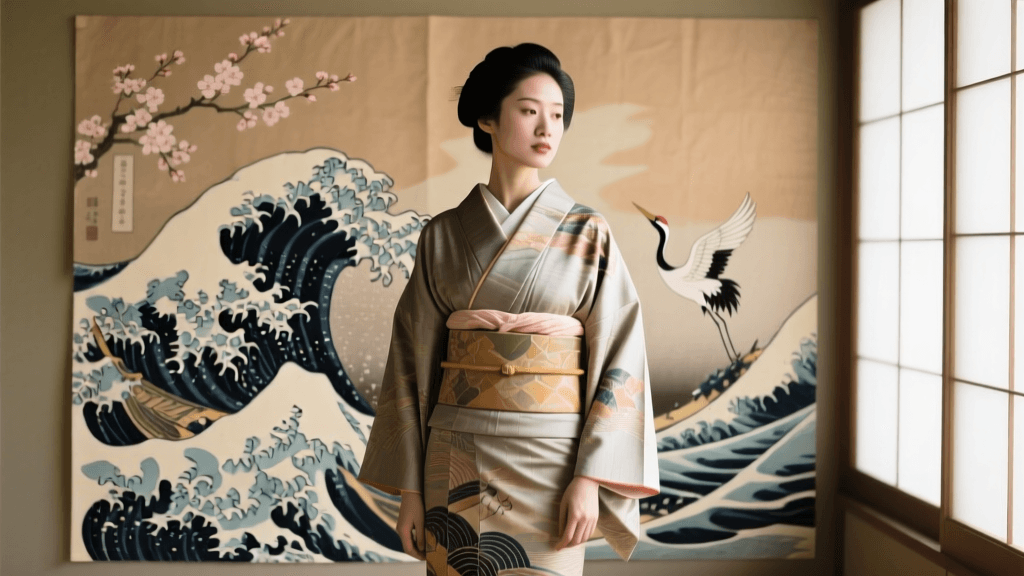
The true elegance of the Edo merchant class was not found in blatant displays of wealth, but in the subtle, hidden luxury of a silk lining or a daring under-kimono, a concept known as iki.
Ukiyo-e artists became masters at depicting these subtle cues. A slight fold of fabric revealing a brilliantly dyed juban (under-kimono), or the intricate pattern on the lining of a subdued outer kosode (the direct precursor to the modern kimono), spoke volumes about the wearer's wealth and refined taste. According to The Metropolitan Museum of Art's Heilbrunn Timeline of Art History, the development of nishiki-e (brocade pictures) around 1765 revolutionized this depiction. By utilizing multiple woodblocks for different colors, artists could accurately render the complex, multi-hued patterns of yuzen (resist dyeing) and shibori (tie-dyeing) textiles, effectively turning the prints into high-fidelity records of Edo fashion.
Decoding Seasonal and Symbolic Motifs
One of the most critical aspects of traditional Japanese dress is kisetsukan, the deep appreciation and strict adherence to seasonality. The Victoria and Albert Museum (V&A) notes that the kimono has historically served as a primary canvas for expressing the changing seasons, a tradition heavily documented and standardized by ukiyo-e artists. In the floating world, wearing a motif out of season was considered a severe fashion faux pas, indicating a lack of refinement and cultural awareness.
Ukiyo-e prints featuring bijin-ga (pictures of beautiful women) are particularly useful for understanding these seasonal rules. Artists like Kitagawa Utamaro meticulously painted the flora and fauna on his subjects' garments to match the exact month depicted in the background or the poem inscribed on the print. For modern kimono wearers, these prints act as a historical reference guide for kitsuke (the art of dressing). While some modern rules have relaxed, understanding the Edo-period baseline allows collectors to accurately date vintage garments and wear them with historical authenticity.
A Guide to Ukiyo-e Kimono Motifs and Seasonality
| Motif | Season | Ukiyo-e Context | Modern Application |
|---|---|---|---|
| Cherry Blossom (Sakura) | Spring | Often depicted falling or floating on water, symbolizing the fleeting nature of beauty and youth. | Worn from late March to early April. Traditionally removed once the real petals begin to fall. |
| Iris (Kakitsubata) | Early Summer | Associated with the Boy's Day festival (Tango no Sekku) and classical literature like the Tales of Ise. | Worn in May. Often paired with water motifs or bridge designs in yuzen dyeing. |
| Maple Leaves (Momiji) | Autumn | Shown in vibrant reds and yellows, often drifting down streams or paired with deer. | Worn from late October through November. A staple of autumn tea ceremony attire. |
| Pine, Bamboo, Plum (Shochikubai) | Winter / New Year | Represents resilience and auspicious beginnings. Frequently used in formal and celebratory prints. | Worn during the New Year (Shogatsu) and formal winter weddings. Highly versatile. |
Signature Styles of Master Ukiyo-e Artists
Different ukiyo-e masters approached the depiction of kimono and textiles with unique stylistic priorities. While some focused on the delicate features of the wearer, others used the kimono as a canvas to showcase bold, graphic design experiments. Understanding these individual styles can help collectors identify the era and artistic lineage of specific textile patterns found in antique markets today.
Master Artists and Their Textile Focus
| Artist | Era | Signature Kimono Style | Notable Subject Matter |
|---|---|---|---|
| Kitagawa Utamaro | Late 18th Century | Delicate, semi-transparent fabrics; intricate, subtle botanical motifs; focus on the nape of the neck. | Courtesans, teahouse waitresses, and intimate domestic scenes. |
| Toshusai Sharaku | 1794-1795 | Bold, high-contrast patterns; dramatic use of black mica backgrounds to make silk colors pop. | Kabuki actors in elaborate, theatrical stage costumes (kosode). |
| Utagawa Hiroshige | Mid 19th Century | Landscape-inspired textiles; garments that visually blend into the surrounding nature and weather. | Travelers on the Tokaido road, rain scenes, and snowy landscapes. |
| Katsushika Hokusai | Early 19th Century | Geometric patterns, bold wave motifs, and dynamic, wind-blown fabric folds showing structural drape. | Commoners, artisans, and dramatic mythological scenes. |
Actionable Advice for Modern Collectors and Enthusiasts
For those looking to integrate the knowledge of ukiyo-e into their modern kimono practice, collecting habits, or textile research, there are several highly actionable strategies to employ.
1. Authenticating and Dating Vintage Textiles: When purchasing antique Edo or early Meiji period kimono, use ukiyo-e prints to verify historical accuracy. Pay close attention to the width and placement of the obi (sash). In early Edo prints, the obi was relatively narrow and tied at the front or side. By the late 18th century, as seen in Utamaro's works, the obi grew wider and began to shift toward the back. Furthermore, examine the sleeve lengths; the elongation of the furisode (swinging sleeve) worn by unmarried women is clearly documented in prints from the Genroku era onward. If a purported Edo-period garment features modern tailoring or post-Meiji obi dimensions, it is likely a later reproduction.
2. Sourcing Authentic Reproductions: Many modern textile artisans and museums license ukiyo-e designs for contemporary accessories. When shopping for tenugui (cotton hand towels) or furoshiki (wrapping cloths), look for collaborations between traditional dye houses (like the famous Kamawanu brand) and museum archives. These items often replicate the exact color palettes of benizuri-e (early red-and-green prints) or the complex layering of nishiki-e, allowing you to incorporate historical art into daily life at a fraction of the cost of a full silk kimono.
3. Mastering the Art of Layering (Kasane): Ukiyo-e prints are masterclasses in kasane (layering). Notice how artists depicted the collars (eri) of the under-kimono peeking out just a few millimeters behind the outer kimono. For modern practitioners of kitsuke, practice adjusting your han-eri (half-collar) to mimic the precise, staggered layering seen in bijin-ga prints, which creates a visually elongating and elegant neckline.
Where to View High-Resolution Ukiyo-e Archives
To study these textile details effectively, you need access to high-resolution, zoomable images. The following institutions offer exceptional, free-to-access digital archives that are indispensable for kimono researchers:
- The Art Institute of Chicago: The Art Institute of Chicago houses one of the most comprehensive collections of Japanese woodblock prints in the world. Their high-resolution digital database allows users to zoom in on the minute details of textile patterns, crest placements, and dyeing techniques.
- The Metropolitan Museum of Art Open Access: The Met's Open Access initiative provides thousands of high-res images of ukiyo-e prints and actual surviving Edo-period garments. Cross-referencing their print collection with their physical textile archive is a powerful research method.
- The Smithsonian National Museum of Asian Art: Their Freer Gallery of Art and Arthur M. Sackler Gallery collections feature extensive holdings of ukiyo-e, with excellent curatorial notes detailing the specific types of silk weaves and embroidery techniques depicted in the artworks.
Conclusion
Ukiyo-e woodblock prints are far more than beautiful historical artifacts; they are vital, encoded documents of Japanese fashion history. By learning to decode the seasonal motifs, understand the socio-political constraints of Edo-period sumptuary laws, and recognize the signature styles of master artists, modern kimono enthusiasts can deepen their appreciation for the garment. Whether you are authenticating a vintage silk piece, styling a modern ensemble, or simply admiring the artistry of the floating world, the intersection of ukiyo-e and kimono offers an endless well of inspiration and knowledge.