Kimono Destination Weddings: Logistics, Styling, and Costs
The Allure of the Kimono Destination Wedding
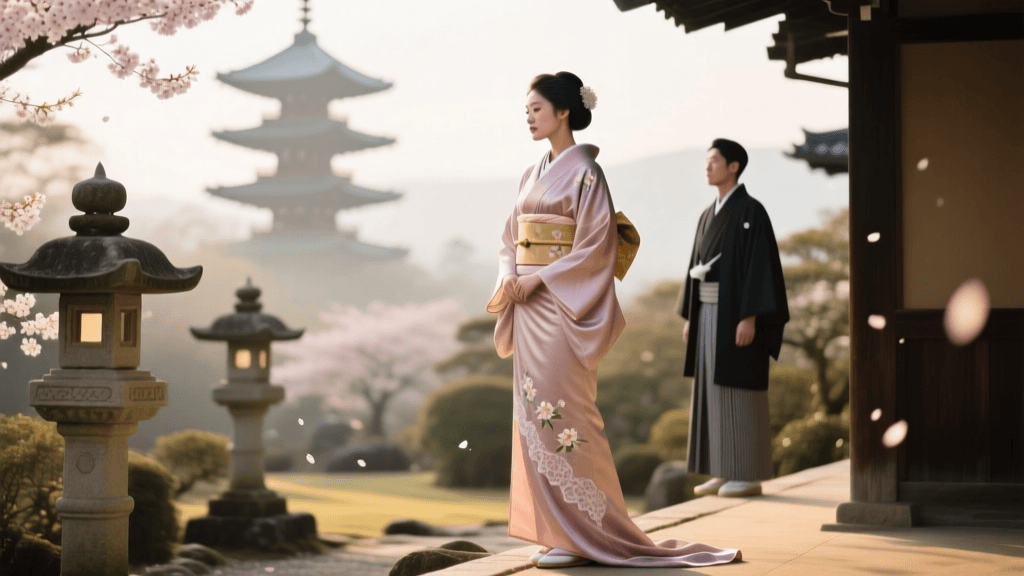
Choosing to wear a traditional Japanese kimono for a destination wedding or a milestone anniversary event is a profound way to honor Asian heritage while celebrating a deeply personal union. Unlike Western bridal gowns, which are often designed for ease of movement and rapid wardrobe changes, the bridal kimono is an architectural masterpiece of silk, brocade, and meticulous layering. For international couples or those traveling to scenic locations outside of Japan—be it a vineyard in Tuscany, a beach in Hawaii, or a historic estate in Kyoto—executing a kimono wedding requires rigorous logistical planning. From managing the delicate transportation of antique silk to securing a certified kitsuke (kimono dresser) abroad, the preparation is as intricate as the garment itself.
According to comprehensive cultural resources on traditional Japanese garments, the kimono is not merely a single piece of clothing but a complex assembly of under-layers, ties, and outer robes that must be perfectly balanced. When planning a traditional ceremony, understanding the cultural weight and structural requirements of Japanese marriage customs is essential for ensuring your special day is both visually breathtaking and logistically sound.
Selecting the Perfect Bridal Garment for Your Venue
The term "kimono" is a broad umbrella. For weddings and high-formality events, brides typically choose between three primary garments, each with distinct characteristics regarding weight, formality, and suitability for different climates and venues. Selecting the right silhouette is the first critical step in your planning process.
| Garment Type | Formality & Usage | Average Weight | Best Climate / Venue | Estimated Rental Cost (USD) |
|---|---|---|---|---|
| Shiromuku | Highest formality; worn during the actual ceremony (often Shinto). | 4 - 6 kg | Cool weather, indoor shrines, or climate-controlled estates. | $300 - $800 |
| Iro-Uchikake | High formality; worn during the reception or post-ceremony photos. | 3 - 5 kg | All seasons; versatile for both indoor and outdoor settings. | $250 - $600 |
| Hikizuri | Medium-High; features a trailing hem, popular for stage events or dances. | 2 - 3 kg | Mild weather; requires clean, elevated, or indoor flooring. | $200 - $500 |
The shiromuku is an all-white ensemble symbolizing purity and the bride's willingness to be "dyed" in the colors of her new family. However, its multiple layers—including the heavy uchikake over-robe and the stiff fukutsunokakushi hood—make it incredibly warm and physically restrictive. If your destination wedding is in a tropical or summer climate, an iro-uchikake (colored over-robe) worn over a lighter, breathable kakeshita base is a far more practical and comfortable choice.
Navigating Logistics: Transporting vs. Renting
Traveling with Your Own Silk
If you have inherited an antique kimono or purchased a bespoke silk garment, transporting it internationally requires extreme care. Silk is highly susceptible to moisture, friction, and sudden temperature changes.
- Packing: Never fold a silk kimono along its original creases for long-haul flights, as permanent fiber breakage can occur. Instead, roll the garment loosely around acid-free tissue paper and place it in a breathable cotton garment bag.
- Carry-On Rule: Always carry your kimono, obi (sash), and delicate accessories (obi-jime, kanzashi hairpins) in the cabin. Checked luggage holds are subject to extreme cold and potential loss.
- Steaming: Do not attempt to iron silk with a standard hotel iron. Pack a handheld travel steamer with a delicate fabric attachment, or arrange for a local dry cleaner specializing in theatrical or historical costumes at your destination.
Renting Locally or from Japan
For many destination couples, renting is the most stress-free option. Several high-end rental houses in Kyoto and Tokyo offer international shipping services. These packages typically arrive 3 to 5 days before your event and include a prepaid return label. When booking a rental, you must provide exact measurements: your height, bust, waist, hips, and the yuki (arm span from the base of the neck to the wrist). A proper kimono fit relies heavily on the ohashori (the waist fold), which requires the garment to be approximately 10 to 15 centimeters longer than your total height.
The Essential Role of the Kitsuke (Kimono Dresser)
You cannot put a bridal kimono on yourself. The art of kitsuke involves over a dozen specific ties, pads, and clips to create the iconic cylindrical silhouette, completely obscuring the natural curves of the body. For a destination event, securing a qualified dresser is your most critical logistical hurdle.
"A bridal kitsuke takes between 60 and 90 minutes. The dresser must pad the hips and chest using specialized towels and datejime (underbelts) to ensure the heavy brocade obi sits perfectly parallel to the floor. A rushed dressing session will result in a sagging obi and severe physical discomfort for the bride."
Options for Destination Dressers:
- Flying in a Specialist: You can hire a certified kitsuke-shi from Japan or a major metropolitan hub to fly to your destination. Expect to pay their day rate ($500 - $1,500) plus round-trip airfare, accommodation, and a per diem.
- Local Japanese Cultural Societies: Many countries have local chapters of Japanese cultural organizations or tea ceremony schools. Members often possess advanced kitsuke skills and may agree to dress a bride for a negotiated honorarium.
- Pre-Tied Obi (Tsuke-Obi): If a professional dresser is entirely unavailable, rent a tsuke-obi. This is a pre-tied sash mounted on a rigid board that slips into place and ties with a simple hidden cord. While purists may object, it is a lifesaver for remote destination weddings.
Climate, Venue, and Practical Comfort
Destination venues rarely account for the physical realities of traditional Japanese attire. When scouting locations and planning your timeline, keep the following actionable advice in mind:
- Footwear and Flooring: Traditional zori sandals and tabi socks are designed for smooth surfaces and tatami mats. If your venue has cobblestones, gravel, or wet grass, the straw soles of the zori will be destroyed, and the bride risks slipping. Arrange for a "venue transit" where the bride wears flat, comfortable slip-on shoes while walking, switching to zori only for the ceremony and photographs.
- Temperature Management: A bridal kimono can add up to 5 kilograms of weight and act as heavy insulation. For summer weddings, invest in asepad (bamboo or mesh sweat guards) that tie around the waist and underarms to protect the silk from perspiration. Schedule all outdoor photography during the "golden hour" just before sunset when temperatures drop.
- Movement Restrictions: The tight binding of the koshihimo (waist ties) and the narrow hemline restrict the bride's stride to mere inches. Allocate at least double the normal time for moving between the ceremony space, the cocktail hour, and the reception hall. Ensure the venue has a dedicated, climate-controlled "green room" where the bride can sit upright and rest without crushing the obi knot.
Budgeting and Timeline Checklist
To ensure a seamless experience, follow this timeline and budget framework for your kimono destination wedding:
- 12 Months Out: Finalize the venue and decide on transport vs. rental. If purchasing an antique, begin the shitate (tailoring and resizing) process immediately, as master tailors often have long waitlists.
- 9 Months Out: Book your kitsuke-shi and hair/makeup artist. Ensure the MUA understands that traditional kanzashi hair ornaments require specific structural support in the updo.
- 6 Months Out: Order or rent the undergarments (hadajuban, susoyoke, koshihimo, korin belts). These are rarely included in standard outer-garment rentals and must be fitted to your exact body measurements.
- 3 Months Out: Conduct a full dress rehearsal. This is non-negotiable. You must test the weight of the garment, practice walking in tabi, and ensure the ohashori fold sits at the correct height.
Conclusion
A kimono destination wedding is a breathtaking fusion of ancient artistry and modern romance. While the logistics of managing heavy silks, precise measurements, and specialized dressers require meticulous planning, the result is a wedding day steeped in profound cultural elegance. By respecting the garment's structural needs, preparing for climate challenges, and investing in professional dressing assistance, you ensure that your traditional attire remains a source of joy and beauty throughout your entire celebration.