Mastering Kimono Storage: Seasonal Rotation and Wardrobe Care
The Philosophy of Kimono Preservation
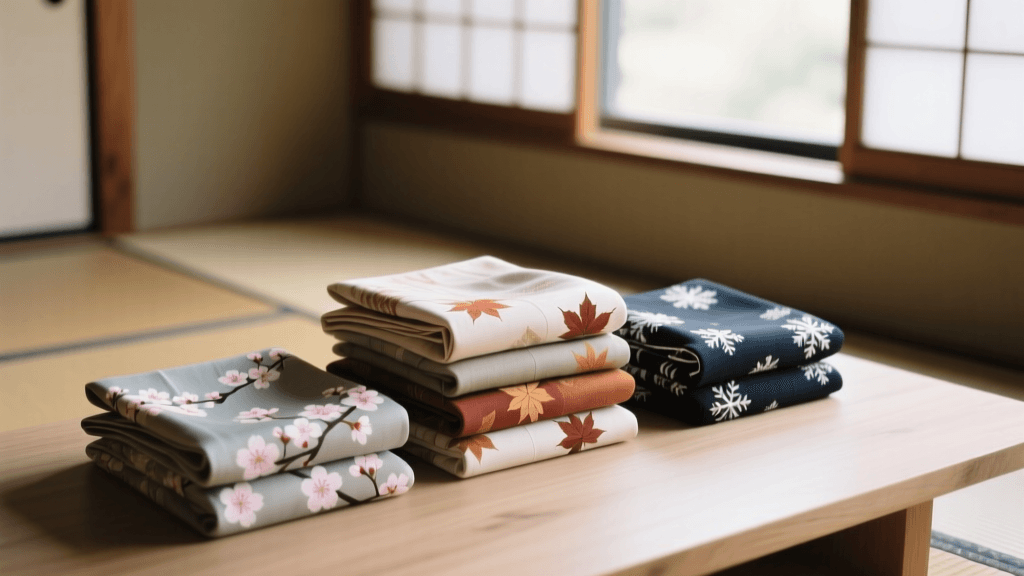
Owning a traditional Japanese kimono is an investment in art, history, and culture. Unlike Western garments that are often hung in closets and worn until they wear out, a kimono is treated as a cherished heirloom. The silk, intricate yuzen dyeing, and delicate embroidery require meticulous care to prevent degradation. In Japan, the act of caring for these garments is deeply tied to the changing of the seasons, transforming wardrobe organization from a mundane chore into a meditative, cultural practice. Proper storage, folding, and seasonal rotation are not merely about tidiness; they are essential protocols to ensure that these exquisite textiles survive for generations.
Traditional Tansu vs. Modern Storage Solutions
Historically, kimono were stored in a tansu, a traditional Japanese chest of drawers crafted specifically for textile preservation. The gold standard for tansu construction is Paulownia wood (kiri). Paulownia is highly prized because it is lightweight, naturally fire-resistant, and possesses unique hygroscopic properties. During humid Japanese summers, the wood swells to seal the drawers and block out moisture; in the dry winter, it contracts to allow the garments to breathe. Furthermore, Paulownia contains natural tannins that deter insects.
However, authentic Paulownia tansu are expensive and require significant floor space, making them impractical for many modern collectors or those living outside of Japan. When utilizing modern storage solutions, the principles of conservation must remain the same. According to the Canadian Conservation Institute, storing textiles in a stable environment with buffered acid-free tissue is paramount to preventing fiber degradation. If using plastic storage bins, collectors must ensure they are made of unlined polypropylene (PP) and avoid polyvinyl chloride (PVC), which off-gasses harmful chemicals that can shatter silk fibers over time. Never store silk directly in cardboard boxes, as the acidity in the paper will cause irreversible yellowing and brittleness.
Essential Materials for the Kimono Wardrobe
To build a proper kimono storage ecosystem, you will need a few specialized materials:
- Tatou-shi (Wrapping Paper): This is a traditional, unbleached, acid-free Japanese paper used to wrap the folded kimono. It protects the silk from dust, light, and friction.
- Silica Gel Desiccants: Moisture is the enemy of silk. Place small packets of silica gel in the corners of your storage drawers or bins to maintain a relative humidity of around 50%. Replace or recharge these packets every six months.
- Shou (Natural Camphor): While Western wardrobes often rely on synthetic mothballs, these should never be used on kimono. Synthetic chemicals can react with metallic threads and cause severe staining. Natural camphor, derived from the camphor tree, is the traditional and safe alternative for pest deterrence.
- Acid-Free Tissue Paper: Used for stuffing sleeves and protecting delicate embroidery or gold leaf (surihaku) from creasing.
The Victoria and Albert Museum advises that textiles should be kept away from direct light and that pest management should rely on environmental control rather than direct chemical application to the garments. Always place camphor or desiccants in the corners of the drawer, never directly touching the silk or the tatou-shi wrapping.
The Art of Hon-Datami (Traditional Folding)
Hanging a kimono on a standard hanger will distort the shoulders and stress the delicate seams. Therefore, kimono are always folded using a specific method called hon-datami. This folding technique is engineered to ensure that the main seams and the most heavily decorated areas do not bear the brunt of the crease lines.
Step-by-Step Hon-Datami Overview:
- Preparation: Lay the kimono face down on a clean, flat surface. Smooth out any wrinkles with your hands.
- Folding the Okumi (Front Panels): Fold the left and right front panels inward along their designated seams so they lay flat against the back of the garment.
- Folding the Collar: The collar (eri) is folded inward to protect it. This is crucial, as the collar accumulates oils from the neck and is often heavily embroidered.
- Sleeve Management: The sleeves (sode) are folded over the body of the kimono. A piece of acid-free tissue paper is often placed inside the sleeve fold to prevent hard creases from forming across the silk.
- Final Folds: The garment is folded in half lengthwise, and then folded into thirds or halves depending on the drawer depth. The final packet should be a neat, compact rectangle.
When stacking folded kimono in a drawer, place the heaviest garments (like winter lined awase kimono) at the bottom, and the lightest (like summer unlined hitoe or sheer ro silk) at the top to prevent crushing.
Koromogae: The Seasonal Rotation Calendar
In Japan, the transition of the wardrobe is marked by Koromogae, the traditional changing of clothes. Historically, this was a major household event that occurred twice a year. While modern central heating and air conditioning have blurred the lines of daily wear, serious kimono collectors still adhere to the Koromogae schedule to maintain their garments properly.
The first rotation occurs on June 1st, marking the transition to summer. Heavy, lined winter kimono are aired out, carefully inspected, folded with fresh desiccants, and stored away. Lightweight, breathable summer garments are brought to the front of the wardrobe. The second rotation occurs on October 1st, signaling the return to autumn and winter wardrobes. This October transition is also the time for Mushiboshi (literally 'insect airing'), where the entire collection is taken out, unwrapped, and aired in a shaded, well-ventilated room for a few hours to dispel any accumulated moisture and check for pest activity before long-term winter storage.
Kimono Wardrobe Rotation and Care Schedule
Use the following structured guide to manage your seasonal rotation and ensure every garment receives the appropriate care at the right time of year.
| Time of Year | Primary Action | Garment Types Handled | Storage Materials Required |
|---|---|---|---|
| Early Spring (March) | Spot cleaning and airing out winter garments after heavy use. | Awase (lined silk), Haori (jackets) | Soft brushes, shaded drying racks |
| June 1st (Summer Koromogae) | Deep inspection, re-folding, and long-term storage of winter items. | Awase, padded Uchikake (wedding robes) | Fresh Tatou-shi, new Silica Gel, Natural Camphor |
| August (Late Summer) | Mid-season airing of summer garments to prevent sweat-induced mold. | Hitoe (unlined), Ro/Sha (sheer gauze), Yukata (cotton) | Clean cotton cloths, gentle air circulation |
| October 1st (Autumn Koromogae) | Mushiboshi (full collection airing), rotating summer items to deep storage. | All garments in the collection | Acid-free tissue, replacement Paulownia drawer liners |
Troubleshooting Common Storage Issues
Even with meticulous care, collectors may encounter storage issues. Knowing how to identify and address them is key to wardrobe preservation.
1. Yellowing and Oxidation
Yellowing usually occurs along the fold lines or the collar. This is caused by oxidized oils from the skin or acidic degradation from poor-quality storage paper. To prevent this, always use a protective collar cover (han-eri) that can be removed and washed, and ensure your tatou-shi is high-quality and unbleached. If a vintage kimono arrives with yellowing, consult a professional textile conservator; attempting to wash it at home can cause the dyes to bleed.
2. Mold and Mildew
Silk is a protein fiber, making it highly susceptible to mold in humid environments. If you detect a musty smell or see small dark spots, immediately remove the garment from the storage area. Do not brush mold while it is damp, as this will push the spores deeper into the weave. Allow the garment to dry completely in a shaded, breezy area, then gently brush the spores away with a soft, dry textile brush. Adjust your storage environment by adding more silica gel and ensuring the room's ambient humidity stays below 55%.
3. Stubborn Creases
If a kimono has been stored for years and develops hard creases, never apply a hot iron directly to the silk. The heat can scorch the fibers and melt metallic threads. Instead, use the power of steam. Hang the kimono in a bathroom while running a hot shower, allowing the ambient steam to gently relax the fibers. Alternatively, use a specialized garment steamer held at least six inches away from the fabric. Once the creases relax, re-fold the garment using the hon-datami method with fresh tissue paper padding.
Conclusion
Organizing and maintaining a kimono wardrobe is a practice that bridges the past and the future. By respecting the traditional methods of hon-datami folding, investing in proper archival materials, and honoring the seasonal rhythm of Koromogae, you do more than just store clothes. You become a custodian of Asian textile heritage. Whether you are preserving a single vintage piece or curating a sprawling collection of formal and casual wear, these meticulous habits ensure that the vibrant silks and intricate weaves of your garments will continue to tell their stories for decades to come.