Japanese Festival Costumes: Happi and Yukata Guide
The Role of Garments in Japanese Matsuri
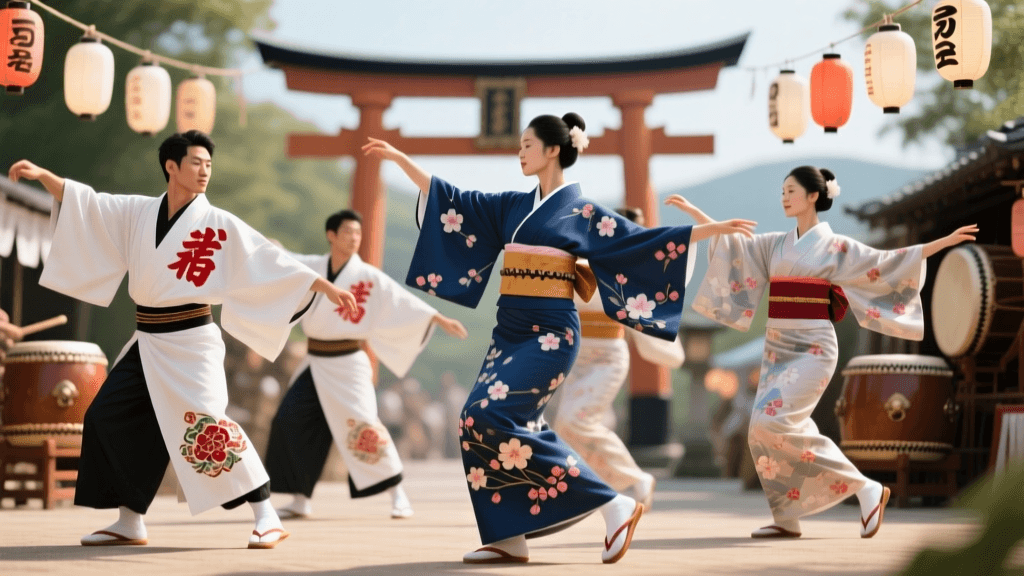
Japanese summer festivals, known as matsuri, are a vibrant intersection of spiritual reverence, community bonding, and dynamic performance. From the thunderous rhythms of taiko drumming to the synchronized, sweeping movements of Bon Odori dances, the clothing worn during these events is far more than mere decoration. Festival garments are engineered for endurance, breathability, and unrestricted mobility. According to the Japan National Tourism Organization (JNTO), thousands of matsuri take place across Japan annually, each featuring distinct regional costumes that reflect local history, climate, and performance requirements.
For performers, dancers, and cultural enthusiasts participating in these festivals, selecting the right attire is critical. A standard casual garment will not withstand the rigorous demands of a three-hour street parade or the repetitive, wide-stanced choreography of traditional folk dances. This guide explores the anatomy, history, and practical selection of Japanese festival performance costumes, focusing on the iconic happi coat, the performance-adapted yukata, and essential accessories.
Happi Coats: The Ultimate Festival Uniform
The happi coat is perhaps the most globally recognized symbol of the Japanese festival. However, its origins are deeply rooted in Edo-period (1603–1867) utility. Originally, happi coats were worn by house servants, with the family crest dyed on the back and lapels. More importantly, they were the standard uniform for hikeshi (firefighters) and construction workers due to their durability and ease of movement.
Construction and Performance Benefits
A traditional happi is a T-shaped, straight-lined garment that falls to the mid-thigh or knee. Unlike formal kimono, the happi features wide, open sleeves that allow for maximum arm extension—crucial for taiko drummers and mikoshi (portable shrine) carriers. The garment is typically left open at the front, secured only by an obi (sash) or tied with the attached lapel strings.
- Material: Authentic performance happi are woven from heavy-weight cotton or tenugui-style terry cloth, which excels at absorbing sweat while allowing airflow.
- Dyeing: High-end happi utilize aizome (natural indigo dye). Indigo is historically prized not just for its striking color, but for its natural insect-repellent and odor-neutralizing properties, making it ideal for humid summer evenings.
- Design: Festival groups (chokai) often feature bold, localized motifs on the back, such as kanji representing the town's name, waves, or mythical deities.
Performance Yukata: Mobility Meets Elegance
While the happi is rugged and utilitarian, the yukata offers a more elegant, unified silhouette, particularly for Bon Odori dances. Originally conceived as a lightweight bathrobe for the nobility during the Heian period, the yukata evolved into the standard casual summer wear for all classes by the Edo period. As noted by Encyclopedia Britannica, the yukata's transition from bathhouse to festival street is a hallmark of Japanese textile history.
Adapting the Yukata for the Stage
A standard off-the-rack yukata can be restrictive for performers. The long, dangling sleeves (sode) can catch on props or obscure hand movements during intricate dance routines. To solve this, performers utilize several adaptations:
- Tasuki (Sleeve Ties): Dancers often use a tasuki, a long cord or sash tied in an X-shape across the back, to loop up the sleeves. This exposes the forearms, prevents the fabric from dragging, and creates a striking, dynamic silhouette during spins.
- Hem Adjustments: For energetic dances like the Awa Odori of Tokushima, female dancers often wear a specialized, shorter yukata or hike up their hemlines using hidden clips or ties, securing the fabric at the knee or mid-calf to allow for high kicks and rapid footwork.
- Layering: Male performers frequently wear a yukata over a pair of tobi pants (baggy, tight-calf trousers) or suteteko (lightweight cotton underpants), combining the elegance of the draped top with the agility of separated legwear.
According to cultural guides at Japan Experience, the choice of fabric also shifts for performance. While casual yukata may feature crisp, stiff cottons or modern polyesters, performance yukata often utilize softer, pre-washed cottons (sarashi) that drape fluidly and move harmoniously with the dancer's body.
Footwear and Accessories for the Stage
No festival costume is complete without the proper accessories, which serve both aesthetic and highly functional purposes.
Tabi and Jika-Tabi
Traditional tabi (split-toe socks) are worn with wooden geta or straw zori sandals. However, for street parades and prolonged dancing on modern asphalt, wooden geta can cause severe foot fatigue and slipping. Performers overwhelmingly prefer jika-tabi—split-toe footwear with flexible rubber soles. Jika-tabi provide the traditional aesthetic while offering the grip and shock absorption of a modern athletic shoe.
Hachimaki and Tenugui
The hachimaki is a folded cotton headband tied tightly around the forehead. Historically worn by samurai to keep sweat out of their eyes and helmets, it is now a symbol of perseverance and effort. Similarly, a tenugui (a multi-purpose cotton towel) is often tied around the head or tucked into the obi to wipe away sweat during intense performances.
The Performance Obi
Tying the obi for a festival requires specific knots designed to withstand movement. Women performing Bon Odori often use the bunko (bow) knot, tied securely with an additional obi-jime (decorative cord) to prevent slipping. Men typically use the kai-no-kuchi (clam shell) knot, a flat, compact tie that sits low on the hips, ensuring it does not interfere with the arms during drumming or shrine carrying.
Comparison Chart: Choosing Your Festival Costume
Selecting the right garment depends heavily on the specific type of performance, the expected weather, and the level of physical exertion required.
| Garment | Primary Material | Mobility Level | Average Cost (USD) | Best Performance Type |
|---|---|---|---|---|
| Happi Coat | Heavy Cotton / Terry | Very High | $35 - $85 | Parades, Taiko Drumming, Mikoshi Carrying |
| Standard Yukata | Crisp Cotton / Poly | Medium | $40 - $120 | Static Stage Singing, Casual Festival Walking |
| Performance Yukata | Soft Pre-washed Cotton | High | $60 - $150 | Bon Odori, Choreographed Stage Dance |
| Tobi / Shitateya | Cotton Canvas | Maximum | $80 - $200 | Acrobatic Festivals, Awa Odori, Street Dance |
Practical Buying Guide: Sizing, Costs, and Timing
For international performers, cultural troupes, and festival enthusiasts outside of Japan, acquiring authentic matsuri wear requires careful planning. Here is an actionable guide to purchasing and preparing your costume.
1. Timing Your Purchase
Do not wait until summer to order your garments. Japanese festival season peaks between July and August. To ensure availability, especially if ordering from specialized Japanese artisans or exporters, place your orders by mid-April. This allows 4 to 6 weeks for international shipping and provides a buffer for any necessary tailoring or exchanges.
2. Sizing for Movement
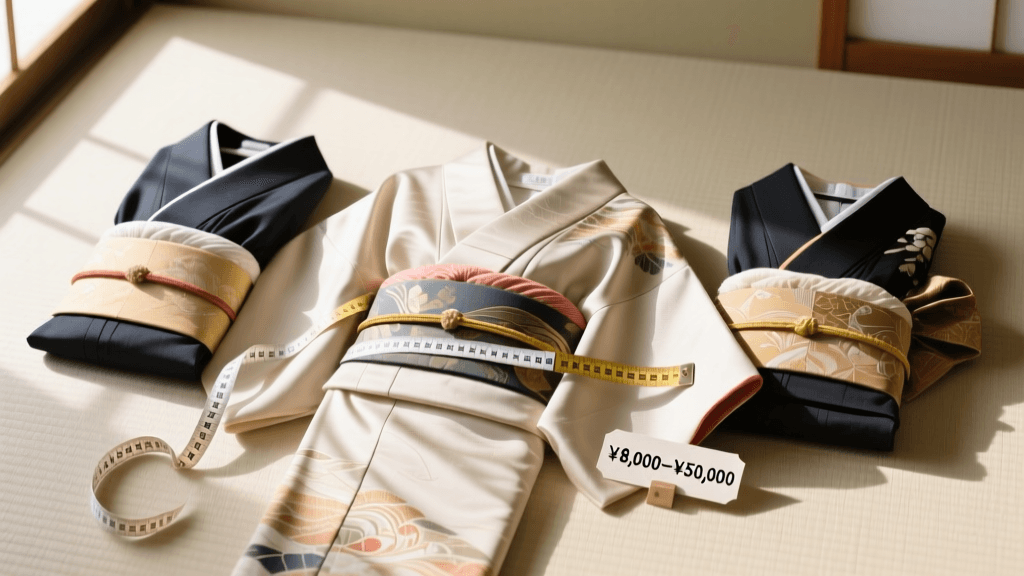
Unlike Western clothing, Japanese garments are sized primarily by length rather than width, as the wrap-around design accommodates various girths. The Golden Rule for Performance: Measure from the nape of your neck (the prominent bone at the base), over the shoulder, and down to your desired hemline. For a performance yukata, the hem should hit exactly at the ankle bone to prevent tripping during dance steps. For a happi coat, the hem should rest comfortably at the mid-thigh to allow for deep stances.
3. Cost and Investment
While you can find mass-produced, polyester happi coats online for under $30, these trap heat and restrict movement. For serious performers, invest in authentic Japanese cotton. Expect to spend between $60 and $150 for a high-quality, breathable cotton happi or yukata from reputable Japanese retailers. Custom-dyed happi featuring a specific troupe's logo or regional kanji will cost significantly more, often starting at $200 per piece due to the artisanal chusen (stencil dyeing) process.
4. Maintenance and Care
Festival garments endure heavy sweat, humidity, and friction. Never machine-wash a natural indigo-dyed happi, as the dye will bleed and fade rapidly. Instead, hand-wash in cold water with a mild, pH-neutral detergent. For cotton yukata, gentle machine washing in a mesh garment bag is acceptable, but they must be hung to dry immediately to prevent deep wrinkles. Always untie all obi and sashes before washing to ensure the fabric dries evenly.
Conclusion
The garments worn during Japanese matsuri are masterclasses in functional design, seamlessly blending centuries of cultural heritage with the rigorous physical demands of performance. Whether you are strapping on a happi coat to hoist a two-ton mikoshi shrine, or adjusting the tasuki on your yukata for a graceful Bon Odori routine, understanding the nuances of these textiles will profoundly enhance your connection to the festival. By choosing the right materials, respecting the traditional silhouettes, and preparing your gear well in advance, you ensure that your performance is as enduring and vibrant as the festivals themselves.