Master Kimono Wardrobe Organization and Seasonal Rotation
The Art of Kimono Wardrobe Organization
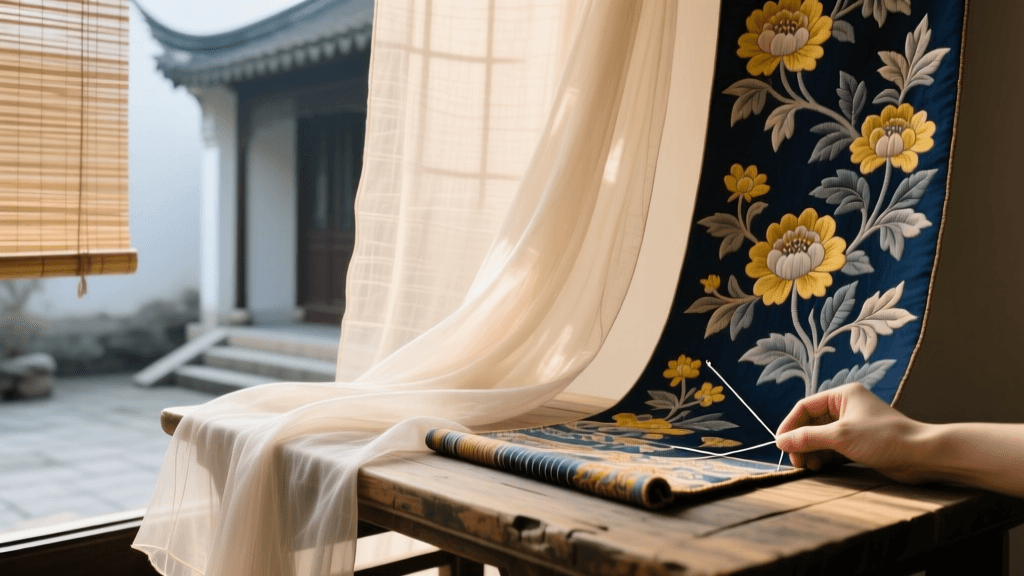
Owning a kimono is an investment in wearable art, history, and cultural heritage. Unlike Western garments that are often hung in a closet and worn year-round, traditional Japanese clothing requires a highly structured approach to storage, maintenance, and seasonal rotation. According to The Metropolitan Museum of Art, the kimono represents a masterclass in textile art and surface design, featuring intricate dyeing techniques like yuzen and shibori that demand meticulous care to preserve their structural integrity and vibrant colors.
Proper kimono wardrobe organization goes beyond simple tidiness. It is a mindful practice rooted in the Japanese concept of koromogae (衣替え), the seasonal changing of clothes. This guide provides actionable, expert-level advice on organizing your kimono collection, selecting the right storage materials, and executing a flawless seasonal rotation to protect your silk, hemp, and cotton garments from humidity, pests, and structural degradation.
Proper kimono storage is not merely about organization; it is an act of cultural preservation, ensuring that heirloom textiles survive for generations.
Koromogae: The Seasonal Rotation Calendar
Historically practiced in the Heian period imperial court, koromogae was a formalized ritual where courtiers would swap out their layered robes to reflect the changing seasons. Today, this practice remains a fundamental rule of kimono wearing and wardrobe management. Rotating your wardrobe ensures that garments are stored in optimal conditions during their off-season, reducing the risk of mold and insect damage.
The traditional Japanese wardrobe is divided into three primary seasonal categories based on lining and fabric weight. Below is the standard rotation calendar followed by kimono practitioners and collectors.
| Season | Months | Garment Type | Characteristics & Storage Notes |
|---|---|---|---|
| Awase (Lined) | October to May | Awase Kimono | Fully lined silk garments. Store in paulownia boxes with camphor during the humid summer months. |
| Hitoe (Unlined) | June & September | Hitoe Kimono | Unlined garments for transitional weather. Air out in late autumn before storing for winter. |
| Usumono (Sheer) | July & August | Ro and Sha Silk | Sheer, breathable summer fabrics. Highly susceptible to snagging; store flat with acid-free tissue padding. |
Timing Your Rotation
The exact dates for koromogae are traditionally set on June 1st and October 1st. However, modern collectors should adjust these dates based on their local climate. The golden rule is to never store silk garments during high-humidity periods without proper desiccants, and to ensure all garments are professionally cleaned (arai-hari or specialized dry cleaning) before long-term storage to remove invisible organic stains that attract carpet beetles and clothes moths.
Choosing the Right Storage: Tansu vs. Modern Alternatives
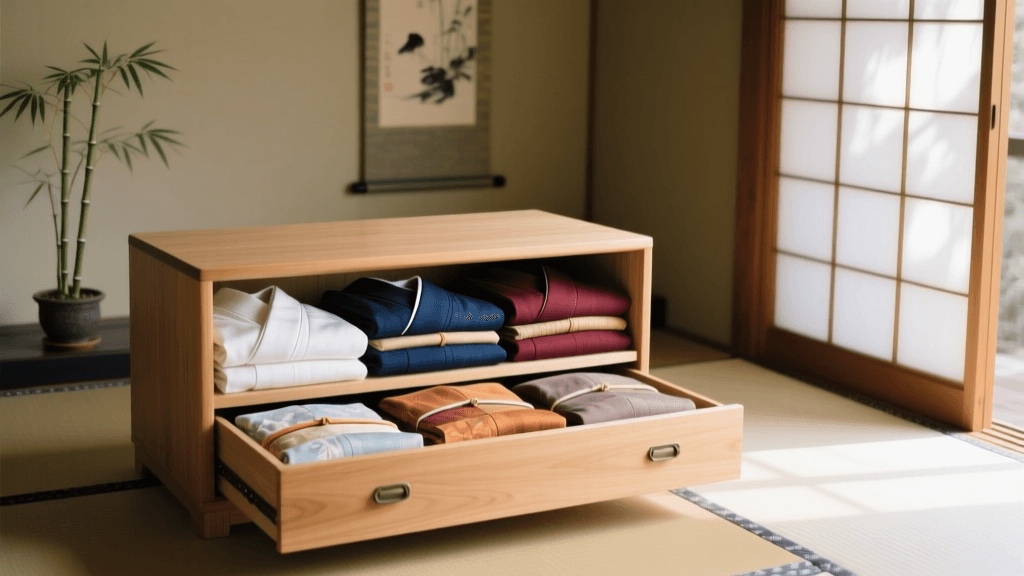
The environment in which you store your kimono is just as critical as how you fold it. Traditional Japanese storage relies heavily on the tansu (chest of drawers), specifically those crafted from kiri (paulownia wood). Paulownia is the gold standard for textile preservation due to its unique cellular structure, which allows the wood to expand and contract with ambient humidity, effectively sealing out moisture during damp weather and releasing it during dry spells.
While antique tansu are beautiful, they can be expensive and impractical for modern apartments. Many collectors opt for kiribako (paulownia storage boxes) or modern plastic alternatives. The Canadian Conservation Institute emphasizes that textiles must be stored in environments where relative humidity (RH) is strictly maintained between 45% and 55% to prevent mold growth and fiber embrittlement.
Comparing Kimono Storage Materials
| Storage Material | Humidity Control | Pest Resistance | Estimated Cost (USD) | Best Use Case |
|---|---|---|---|---|
| Paulownia Wood (Kiri) | Excellent (Natural) | Moderate (Natural) | $80 - $300+ per box | Heirloom silk, vintage collections, long-term storage. |
| Cardboard / Paper Boxes | Poor (Absorbs moisture) | None | $10 - $25 | Short-term transport only. Avoid for long-term storage. |
| Polypropylene Plastic Bins | Traps moisture | High (If sealed) | $15 - $40 | Budget storage. Requires strict silica gel management and regular airing. |
| Non-Woven Fabric Covers | Breathable | Low | $5 - $15 each | Wrapping individual garments inside wooden or plastic bins. |
Essential Preservation Materials
To build a museum-quality kimono wardrobe at home, you must invest in specific preservation supplies. Never use standard wire hangers or cedar wood. Cedar contains natural oils that can transfer to silk and cause permanent yellowing, while hanging causes the heavy silk and metallic threads to stretch and distort the garment's rectangular geometry.
- Tatou-shi (Kimono Wrapping Paper): Traditional tatou-shi is a specialized, acid-free paper used to wrap folded kimono. It protects the fabric from dust, light, and friction. Replace standard tissue paper with high-quality, unbuffered acid-free tissue for delicate shibori textiles to prevent the raised threads from being crushed.
- Shounou (Natural Camphor): Unlike Western mothballs that contain naphthalene or paradichlorobenzene (which can melt synthetic fibers, tarnish metallic threads, and leave a toxic odor), natural Japanese camphor is safe for silk and effectively repels insects. Place camphor blocks in the corners of your storage boxes, never directly touching the fabric.
- Silica Gel Desiccants: If using plastic bins or living in a humid climate, include rechargeable silica gel packets to maintain the 45-55% RH threshold. Monitor them monthly and recharge them in the oven when the indicator beads change color.
The Hon-Datami Folding Technique
Kimono are constructed from straight, rectangular bolts of fabric (tanmono), making them inherently designed to be folded flat rather than hung. The standard folding method is called hon-datami. When folded correctly, a standard adult kimono measures approximately 35 cm by 65 cm (about 14 x 26 inches), allowing it to fit neatly into a kiribako or a shallow drawer.
Step-by-Step Hon-Datami Guide
- Preparation: Lay the kimono face down on a clean, flat surface. Ensure your hands are clean and free of lotions or oils.
- Align the Panels: Fold the left okumi (front panel) inward along the kake-eri (collar) seam. Then, fold the right side over to meet the left, aligning the side seams (waki) perfectly.
- Fold the Sleeves: Fold the sode (sleeves) inward so they do not extend past the body of the garment. The sleeves should lay flat against the back panel.
- The Final Folds: Fold the bottom hem up to meet the collar. Depending on the length of the kimono, you may need to fold it in thirds rather than halves to achieve the standard 65 cm length.
- Wrapping: Wrap the folded garment in tatou-shi or acid-free tissue paper, securing it with a cotton tie or simply tucking the paper flaps underneath. Never use rubber bands, tape, or plastic clips.
Mushiboshi: The Vital Practice of Airing
Even with the best storage materials, kimono require mushiboshi (insect airing) to survive long-term. This is the practice of taking garments out of storage, unfolding them, and allowing them to breathe in a dry, well-ventilated room. According to textile conservation guidelines highlighted by the Victoria and Albert Museum in their extensive Asian textile archives, regular inspection and environmental monitoring are critical to preventing the catastrophic loss of historical garments to biological agents.
The best time for mushiboshi is during the dry, crisp days of late autumn or early winter (typically November or January). Avoid airing your kimono during the rainy season (tsuyu) or humid summer months, as silk fibers will absorb atmospheric moisture, leading to mold and permanent water spotting.
Airing Best Practices
- Avoid Direct Sunlight: UV radiation degrades silk proteins at a molecular level and will rapidly fade natural dyes. Always air garments in a shaded, well-ventilated room.
- Use a Drying Rack: Drape the unfolded kimono over a clean, padded drying rack or a specialized kimono airing stand (iko) for 2 to 4 hours.
- Inspect for Pests: Use this time to carefully inspect the seams, collars, and hems for signs of frass (insect droppings) or webbing. Early detection is the only way to save a garment from carpet beetle larvae.
- Refresh Desiccants: While the boxes are empty, wipe them down with a dry cloth, recharge your silica gel, and replace any depleted camphor blocks before repacking.
Organizing Your Collection by Occasion
Beyond seasonal rotation, an efficient kimono wardrobe is organized by formality and occasion. Grouping your collection logically saves time and reduces unnecessary handling of delicate fabrics.
- Everyday / Casual (Komon, Tsumugi, Yukata): Store these accessible, durable garments in the top drawers of your tansu or in easily reachable fabric bins. Cotton and hemp yukata are less prone to insect damage and can be stored more casually.
- Semi-Formal (Tsukesage, Homongi): Store these mid-tier silk garments in paulownia boxes. Ensure the e-ba (continuous picture) patterns are folded carefully so the creases do not permanently fracture the dyed motifs.
- Formal / Heirloom (Kurotomesode, Furisode, Uchikake): These heavy, embroidered, and gold-leafed garments require the utmost care. The metallic threads (surihaku or kinran) are highly susceptible to oxidation and tarnishing. Wrap these in specialized anti-tarnish tissue paper and store them in the deepest, most climate-stable part of your wardrobe.
Conclusion
Mastering kimono wardrobe organization and seasonal rotation is a rewarding discipline that deepens your connection to traditional Japanese culture. By respecting the rhythms of koromogae, investing in proper paulownia storage, utilizing safe preservation materials like natural camphor, and practicing the hon-datami folding method, you ensure that these magnificent textiles remain pristine. Whether you are managing a small collection of vintage haori or a vast archive of formal silk kimono, these preservation techniques will safeguard your garments, allowing them to be worn, admired, and passed down for generations to come.