Samue and Jinbei: Casual Japanese Traditional Loungewear
The Heartbeat of Everyday Japanese Sartorial Culture
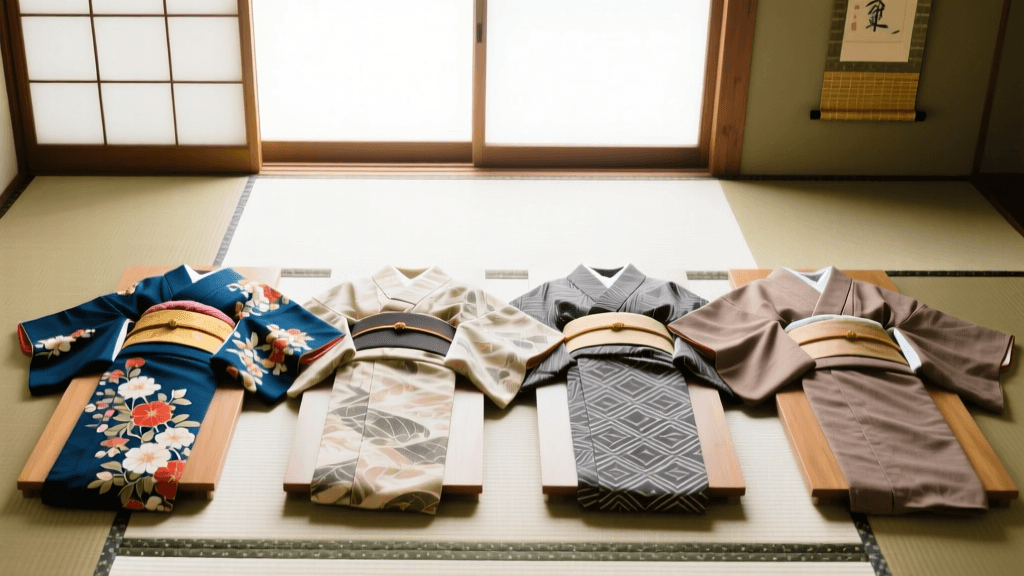
When the world thinks of traditional Japanese clothing, the mind immediately drifts toward the elegant, structured silk kimono or the intricate, heavily brocaded obi. However, the true heartbeat of Japanese sartorial culture lies not in its restrictive formalwear, but in its deeply practical, everyday casual garments. For centuries, the Japanese have mastered the art of transitioning between hare (the sacred, festive, and formal) and ke (the everyday, mundane, and casual). As noted in Tofugu's comprehensive guide to Japanese clothing, this philosophical distinction is deeply woven into the fabric of the nation's textile history, dictating not just what is worn, but how it is worn in daily life.
For modern enthusiasts of Asian traditions, integrating historical garments into a contemporary wardrobe can feel daunting. The kimono requires specialized knowledge, precise folding, and a significant financial investment. Enter the samue and the jinbei: Japan's ultimate traditional loungewear and casual summer garments. These pieces offer the aesthetic beauty, breathable comfort, and historical lineage of Japanese craftsmanship, while remaining entirely practical for modern life, remote work, and casual outings.
The Samue: From Zen Monasteries to Modern Loungewear
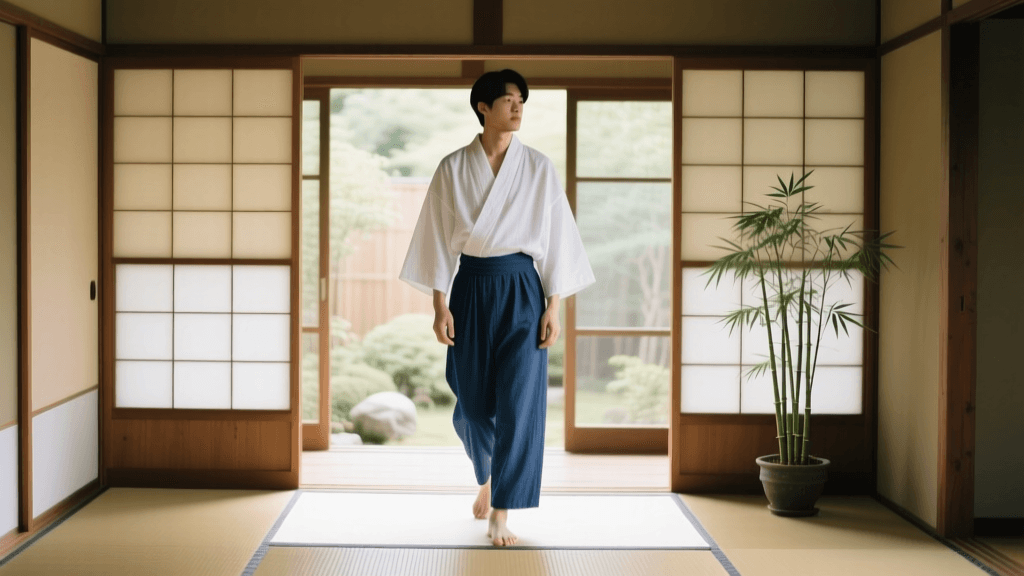
The samue (作務衣) translates literally to 'clothing for work' or 'clothing for chores.' Historically, it was developed by Zen Buddhist monks as a practical uniform for samu—the physical labor and daily maintenance tasks required to keep a monastery running, such as chopping wood, sweeping grounds, and farming. Unlike the flowing, ground-dragging robes worn during meditation or ceremonies, the samue was designed for unrestricted movement.
A traditional samue consists of two primary pieces: an uwagi (a wrap-style jacket with wide, long sleeves) and zubon (loose-fitting trousers). The jacket is secured at the waist with simple cotton ties (himo), and the trousers feature an elastic or drawstring waistband with cuffs that can be tied at the ankles to prevent tripping. The side vents, known as machi, allow for deep bending and squatting.
Today, the samue has transcended its monastic origins. It is the unofficial uniform of Japanese artisans, potters, calligraphers, and soba noodle makers. In recent years, it has also become a highly sought-after garment for remote workers and those seeking elevated, comfortable loungewear. When staying at a traditional ryokan (Japanese inn) in regions like Kurokawa Onsen or Kyoto, guests are frequently provided with high-quality samue to wear around the property, to meals, and even out into the surrounding town.
The Jinbei: Japan’s Essential Summer Casual Wear
If the samue is the ultimate year-round workwear, the jinbei (甚平) is the undisputed king of Japanese summer casual wear. Originating in the Edo period as an indoor garment for samurai and later adopted by the working class, the jinbei is specifically engineered to combat Japan's notoriously hot and humid summers.
A jinbei set consists of a short-sleeved, wrap-style top and a pair of short trousers (typically with a 3- to 5-inch inseam). The defining feature of a high-quality jinbei is the side slits and the woven, rather than stitched, side seams. These gaps allow for maximum airflow across the torso and hips. The top is secured with two sets of ties: one on the inside and one on the outside, ensuring the garment stays closed while maintaining a relaxed drape.
While traditionally considered strictly indoor loungewear or neighborhood wear, the jinbei has experienced a massive cultural revival. It is now entirely acceptable and highly fashionable to wear a well-crafted jinbei to summer fireworks festivals (hanabi taikai), local matsuri (festivals), and casual evening strolls. It serves as a highly practical, gender-inclusive alternative to the more formal summer yukata.
Comparison Chart: Samue vs. Jinbei vs. Yukata
To understand where these garments fit into your wardrobe, it is helpful to compare them against the more widely known yukata. Below is a structured breakdown of their primary characteristics, timing, and use cases.
| Feature | Samue | Jinbei | Yukata |
|---|---|---|---|
| Seasonality | Year-round (fabric dependent) | Strictly Summer (June - Sept) | Summer (June - August) |
| Pieces | Long-sleeve jacket, long pants | Short-sleeve top, shorts | Single wrap robe, obi belt |
| Formality | Casual / Workwear / Loungewear | Ultra-Casual / Festival Wear | Semi-Formal Summer / Festival |
| Typical Cost | $40 - $180 USD | $30 - $120 USD | $50 - $300+ USD |
| Primary Use | WFH, crafting, ryokan stays | Lounging, summer festivals | Fireworks, onsen towns, dates |
Practical Sizing and Measurement Guide
Buying traditional Japanese clothing online can be intimidating due to differing sizing conventions. Unlike Western clothing, which relies heavily on chest and waist measurements, Japanese traditional garments are sized based on height and specific garment dimensions. Most modern samue and jinbei are sold in standard S, M, L, and LL (XL) sizes, but checking the specific measurements is crucial for a proper fit.
Key Measurements to Check
- Mitake (Garment Length): Measured from the base of the back collar to the bottom hem. For a samue jacket, this should fall around the mid-hip. For jinbei shorts, the inseam is usually between 8 cm to 15 cm (3 to 6 inches).
- Yuki (Sleeve Length): Measured from the center back of the neck, across the shoulder, and down to the wrist. A standard men's L samue will have a yuki of approximately 80-84 cm. The sleeves are meant to be wide and slightly dropped, so a longer yuki is preferable to a shorter one.
- Shoulder Width (Kata-haba): Because these garments feature a drop-shoulder construction, the shoulder seam is designed to sit lower on the arm. Do not match this to your exact anatomical shoulder width; add 4-6 inches for the intended relaxed drape.
Pro-Tip: If you are between sizes, always size up in Japanese casual wear. The aesthetic relies on a relaxed, breathable drape. A garment that is too tight across the shoulders restricts the natural flow of the woven cotton and defeats the purpose of the garment's ventilated design.
Fabric Weaves and Textile Choices
The magic of the samue and jinbei lies in the textiles. While the Victoria and Albert Museum's extensive archives focus heavily on the evolution of the formal silk kimono, the underlying principles of T-shaped construction and regional woven textiles directly inform casual wear. When shopping, look for these specific traditional fabrics:
- Shijira-ori (Seersucker Cotton): Originating from Tokushima prefecture, this fabric features a deliberate, puckered texture. The raised ridges prevent the fabric from clinging to sweaty skin, making it the absolute gold standard for summer jinbei.
- Kurume Kasuri (Cotton Ikat): A traditional indigo-dyed cotton where the threads are resist-dyed before weaving, creating beautiful, slightly blurred geometric patterns. It is highly durable, softens beautifully with age, and is a premium choice for high-end samue.
- Tsumugi (Slub Cotton/Silk): Woven from unevenly spun yarns, tsumugi has a rustic, nubby texture. While historically a silk fabric for commoners, modern cotton tsumugi is widely used for autumn and spring samue, offering excellent temperature regulation.
Styling and Footwear Pairings
Styling these garments for the modern world is remarkably easy. For a samue worn around the house or for remote work, bare feet or simple cotton socks are standard. However, if you are wearing a samue out to a local cafe, running errands in an onsen town, or attending a casual dinner, footwear choice becomes important.
The traditional pairing is the setta—a type of Japanese sandal featuring a woven bamboo or rush top and a leather or rubber sole. Setta are comfortable, easy to slip on and off (which is essential when entering homes, temples, or traditional restaurants), and provide a grounded, artisanal aesthetic. For a more contemporary, streetwear-inspired look, many younger Japanese men and women pair dark indigo samue or jinbei with minimalist white sneakers or canvas slip-ons. Avoid heavy boots or highly structured leather shoes, as they clash with the soft, flowing lines of the garment.
Buying Guide: Costs, Brands, and Care Instructions
When investing in traditional casual wear, you generally have two tiers to choose from. For a broader understanding of how these casual garments fit into the wider spectrum of Japanese dress and where to source them, resources like Japan Guide's overview of traditional clothing provide excellent foundational context.
Cost Breakdown
- Entry-Level ($25 - $50 USD): Brands like Muji and Uniqlo frequently release modernized, mass-produced jinbei and samue during the summer months. These are usually made from standard cotton blends or polyester-cotton mixes. They are great for testing the waters but lack the textural richness of traditional weaves.
- Artisanal & Specialty ($80 - $250+ USD): Purchasing from specialized retailers like Watabe, Ichiroya, or direct from Kyoto and Kurume artisans guarantees authentic textiles. At this price point, you are paying for natural indigo dyes, hand-woven shijira-ori, and reinforced hand-stitched ties that will last for decades.
Care and Maintenance
One of the greatest advantages of the samue and jinbei over the kimono is their ease of care. The vast majority of modern cotton and linen casual wear is machine washable. However, to preserve the integrity of the dyes (especially natural indigo) and the structure of the woven slubs, follow these rules:
- Wash in cold water on a gentle cycle.
- Use a mild, neutral detergent. Avoid bleach or optical brighteners, which will strip natural dyes.
- Never tumble dry. The high heat will warp the machi (side vents) and shrink the cotton unevenly.
- Shake the garment out vigorously while wet to realign the fibers, and hang to air dry in the shade. Direct sunlight will fade indigo and kasuri patterns rapidly.
Conclusion
The samue and jinbei represent the most accessible, comfortable, and deeply practical entry points into the world of traditional Japanese clothing. They strip away the rigid formality of the silk kimono, offering instead a celebration of textile craftsmanship, breathability, and everyday utility. Whether you are seeking the perfect work-from-home uniform, a comfortable outfit for a summer festival, or a meaningful way to connect with Asian sartorial traditions, these garments prove that historical clothing can seamlessly and beautifully adapt to modern life.