Kimono Buying Guide: Comparing Types, Tiers & Tips
The Art of Choosing: A Comprehensive Kimono Buying Guide
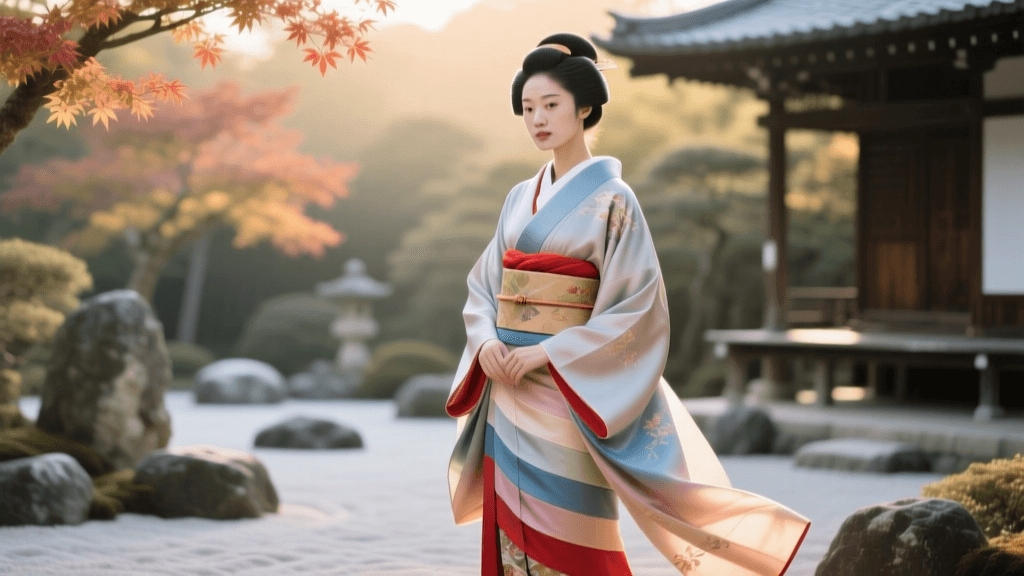
The kimono is far more than a simple garment; it is a wearable canvas that reflects centuries of Japanese artistry, social codes, and seasonal awareness. For international collectors, cultural enthusiasts, and fashion-forward individuals, purchasing an authentic kimono is a deeply rewarding investment. However, navigating the intricate hierarchy of Japanese traditional clothing can be daunting. From the sweeping sleeves of a furisode to the breezy cotton of a summer yukata, understanding the nuances of formality, fabric, and fit is essential before making a purchase.
According to The Metropolitan Museum of Art, the kimono's T-shaped, straight-lined structure has remained remarkably consistent since the Edo period (1615–1868), yet the surface designs, dyeing techniques, and social rules governing their wear have evolved into a highly codified system. This guide will break down the primary types of women's kimonos, provide a clear formality hierarchy, and offer actionable advice on sizing, sourcing, and maintenance for the global buyer.
The Kimono Formality Hierarchy
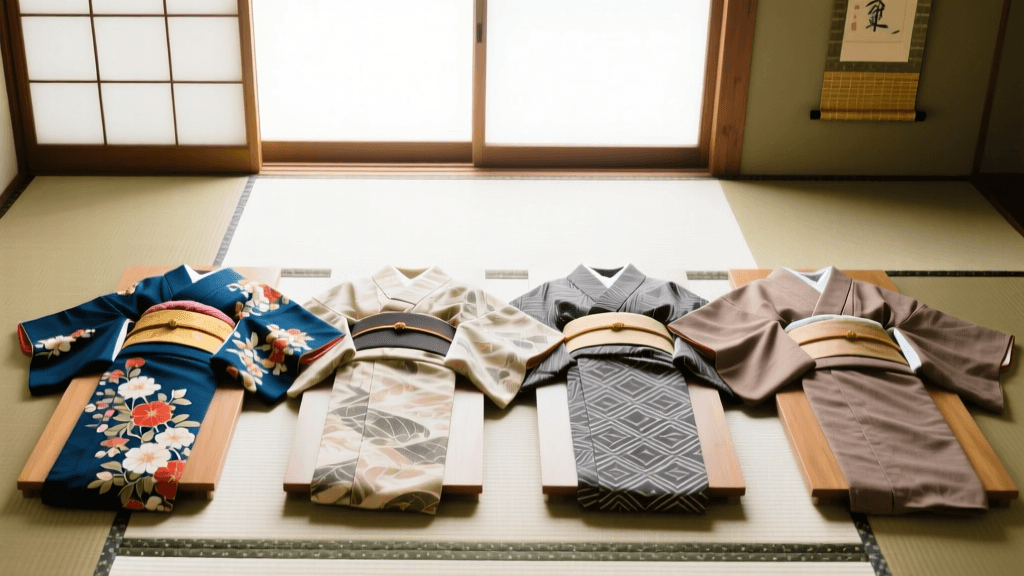
In Japanese culture, the concept of TPO (Time, Place, and Occasion) dictates what you wear. Wearing a casual kimono to a formal tea ceremony, or a highly formal wedding kimono to a summer festival, is considered a major faux pas. Below is a comparative chart to help you identify the right tier for your needs.
| Kimono Type | Formality Level | Typical Occasions | Estimated Price (USD) |
|---|---|---|---|
| Furisode | Highest (Unmarried) | Coming of Age Day, Weddings (as guest) | $800 - $5,000+ |
| Kuro Tomesode | Highest (Married) | Weddings (close relatives) | $500 - $3,000+ |
| Iro Tomesode | High Formal | Weddings, Banquets, Galas | $400 - $2,500+ |
| Houmongi | Semi-Formal | Tea ceremonies, Parties, Graduations | $300 - $1,500+ |
| Tsukesage | Semi-Formal | Dinners, Art exhibitions, Visiting | $200 - $1,000+ |
| Komon | Casual / Town Wear | Shopping, Casual dining, Classes | $50 - $400 |
| Yukata | Casual / Summer | Festivals, Onsen, Fireworks displays | $30 - $150 |
Deep Dive: Choosing the Right Kimono Type
Furisode and Tomesode: The Pinnacle of Formality
The Furisode (literally 'swinging sleeves') is the most formal kimono for young, unmarried women. Recognizable by its dramatically long sleeves—ranging from 85cm to 114cm in length—it is a staple of Seijin no Hi (Coming of Age Day). The vibrant, all-over patterns are often created using yuzen dyeing, a resist-dyeing technique that allows for painterly, multi-colored designs. Because of the immense craftsmanship required, new furisodes are significant financial investments, often accompanied by equally expensive silk undergarments (nagajuban) and brocade obi sashes.
For married women, the equivalent peak of formality is the Kuro Tomesode (black-edged sleeve). Always black with five family crests (kamon), it features a continuous, auspicious pattern (eba-moyo) only along the lower hem. The Iro Tomesode is a colored version, slightly less formal, and can be worn by both married and unmarried women to celebratory events. When shopping for Tomesode, inspect the kamon closely; vintage pieces may feature the crests of the original owner's family, which some buyers choose to have professionally removed or re-dyed.
Houmongi and Tsukesage: Semi-Formal Elegance
The Houmongi ('visiting wear') is the most versatile formal garment in a modern kimono wardrobe. Its defining feature is the eba-moyo pattern, which flows seamlessly across the seams of the shoulders, sleeves, and hem, creating a unified picture when the kimono is laid flat. It is appropriate for almost any formal or semi-formal gathering, making it an excellent first purchase for serious collectors.
The Tsukesage is slightly more subdued. Unlike the Houmongi, its patterns do not cross the seams; instead, motifs are dyed or embroidered pointing upwards from the hem and downwards on the sleeves. It is an elegant choice for theater visits, upscale dinners, and cultural classes. As noted by the Japan National Tourism Organization (JNTO), mastering the art of semi-formal kimono wearing allows visitors and residents alike to participate respectfully in traditional cultural activities like tea ceremonies and flower arranging.
Komon and Yukata: Everyday and Casual Wear
For daily life, the Komon is the traditional 'town wear.' It features a small, repeating pattern across the entire fabric. Because it lacks the grand, continuous motifs of higher-tier kimonos, it is considered casual. It is the perfect entry point for beginners learning how to tie a basic taiko musubi (drum knot) on a Nagoya obi.
The Yukata is the undisputed king of summer casual wear. Made from breathable cotton or hemp, it is worn without the complex undergarments required for silk kimonos. Originally a bathrobe for the nobility during the Heian period, it evolved into the standard attire for summer matsuri (festivals) and hot spring resorts. Yukatas are highly affordable, easily washable, and widely available in modern, pop-culture-inspired prints.
Sizing and Measurements for International Buyers
Unlike Western clothing, kimonos are not sold in standard S, M, L sizes. They are tailored to specific body measurements, and understanding these metrics is crucial, especially for taller international buyers.
- Mitake (Back Length): Measured from the base of the back neck to the hem. Standard vintage kimonos usually have a mitake of 155cm to 160cm, designed to accommodate the traditional ohashori (the waist tuck). Taller buyers (over 170cm) will need to seek out modern custom pieces or specifically search for 'tall' vintage cuts, or wear the kimono without an ohashori (a modern styling choice).
- Yuki (Sleeve Length): Measured from the center back of the neck, across the shoulder, and down to the wrist bone. Standard yuki is around 64cm to 66cm. Those with broader shoulders or longer arms should look for a yuki of 68cm or higher.
- Gori (Hip/Width): The width of the back panel. Standard is around 32cm per panel. Buyers with wider hips must ensure the total hip circumference of the kimono allows for at least 15-20cm of overlap at the front to prevent the garment from pulling open when walking.
Buyer's Tip: When measuring yourself for a kimono, wear the undergarments and footwear (tabi and zori) you intend to use. The hem of a properly fitted silk kimono should just graze the ankle bone, while a yukata can be worn slightly shorter.
Where to Buy: New, Vintage, and Online Markets
The market for kimonos is vast, split primarily between brand-new garments and the thriving vintage ('recycle') market.
Buying New (Gofuku-ya)
Purchasing a new, custom-tailored silk kimono from a traditional gofuku-ya (kimono shop) in Kyoto or Tokyo is a luxury experience. You select the fabric bolt (tanmono), the dyeing technique, and the crest placement. However, this route is expensive and time-consuming, often taking 3 to 6 months for completion. For beginners, modern brands offering washable polyester kimonos provide a practical, budget-friendly alternative that mimics the look of silk without the maintenance anxiety.
The Vintage and Recycle Market
Japan's 'recycle' shops are treasure troves for high-quality, pre-loved silk kimonos. Because kimonos are often worn only a handful of times for specific ceremonies, many vintage pieces are in pristine condition. Areas like Harajuku (e.g., Chicago), Shimokitazawa, and Kyoto's Toji Temple flea market offer incredible finds for a fraction of the original cost. When buying vintage, always check the collar and hem for stains, smell the fabric for mothballs or mildew, and inspect the silk for 'shattering' (dry rot), which cannot be repaired.
For international buyers unable to travel to Japan, specialized online dealers and curated Etsy shops offer authenticated vintage pieces. The Victoria and Albert Museum highlights how the global appreciation for the kimono has spurred a robust international market, making these garments more accessible than ever to collectors worldwide.
Care, Maintenance, and Storage
Silk kimonos require meticulous care to preserve their structural integrity and vibrant dyes. Never store a silk kimono on a wire hanger; the weight of the garment will distort the shoulders and stretch the delicate silk. Instead, fold the kimono along its original seam lines and store it flat in a breathable cotton or paper wrapper called tatou-shi.
Moisture is the enemy of silk. Store your garments in a cool, dry place, and air them out in the shade on dry, breezy days twice a year (a practice known as mushiboshi). If a silk kimono becomes soiled, do not attempt to wash it at home. It must be taken to a specialized kimono cleaner. For severe stains or overall degradation, the traditional method of arai-hari involves completely unstitching the garment into its original flat panels, washing and stretching the fabric on wooden boards, and re-sewing it by hand—a costly but restorative process that gives the garment a second life.
Final Thoughts on Your Kimono Journey
Investing in a kimono is an invitation to participate in a living tradition. Whether you are seeking the casual comfort of a cotton yukata for a summer evening or the breathtaking elegance of a silk houmongi for a formal gallery opening, understanding the types, tiers, and tailoring of these garments ensures you will choose a piece that respects the culture and fits your lifestyle perfectly. Take your time, measure carefully, and embrace the profound beauty of Japanese textile artistry.