Heian Period Junihitoe: Evolution of Japanese Court Layering
The Pinnacle of Heian Dynasty Fashion
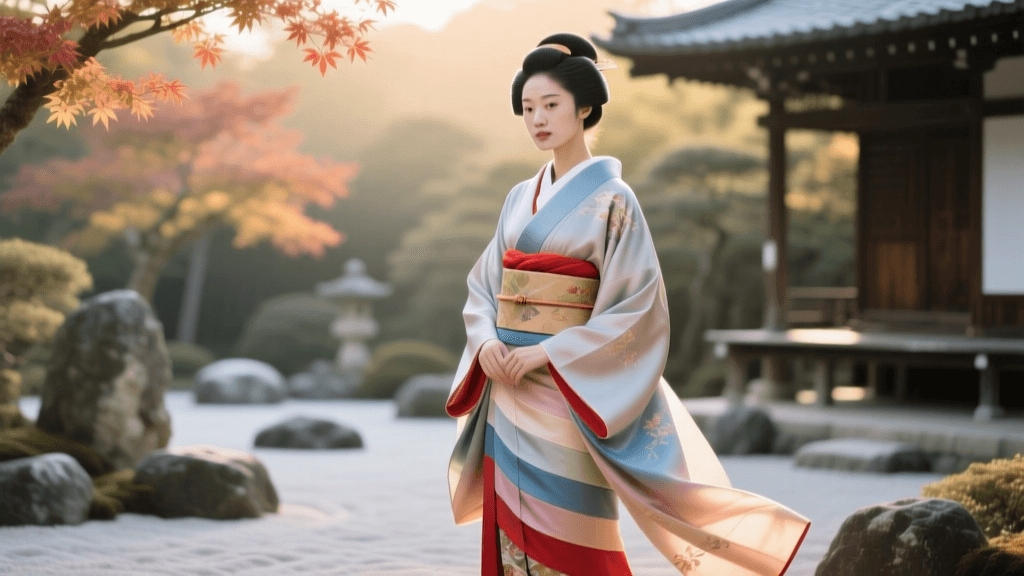
The Heian period (794–1185) represents a golden age of Japanese art, literature, and indigenous culture. Following the cessation of official diplomatic missions to Tang Dynasty China in 894, Japan entered a phase of intense cultural introspection known as kokufu bunka (national culture). It was during this era that the iconic jūnihitoe, or 'twelve-layered robe,' emerged as the ultimate symbol of aristocratic refinement and courtly status. As detailed by The Metropolitan Museum of Art, the Heian court was a highly insular society where aesthetic sensitivity, poetry, and visual presentation were paramount. For noblewomen, fashion was not merely about adornment; it was a profound, unspoken language of seasonal awareness, political rank, and poetic sensibility.
Fashion in the Heian court was a profound language of seasonal awareness, rank, and poetic sensibility, immortalized in literary masterpieces like Murasaki Shikibu's 'The Tale of Genji'.
Anatomy of the Jūnihitoe: Measurements and Layers
Despite its literal translation as a 'twelve-layered' garment, the jūnihitoe did not strictly consist of twelve robes. The number of layers varied based on the season, the wearer's court rank, and the specific occasion, sometimes reaching up to twenty layers in the depths of winter. The total weight of a full formal ensemble could exceed 20 kilograms (44 pounds), severely restricting the wearer's mobility and enforcing a slow, deliberate, and highly graceful gait that was considered the epitome of aristocratic elegance.
The anatomy of the ensemble is a masterclass in textile engineering and structural layering. The foundational and middle layers include:
- Kosode: The basic, short-sleeved under-robe, usually made of white or unbleached silk, serving as the intimate base layer against the skin.
- Nagabakama: A deeply pleated, floor-dragging hakama (trouser-skirt) dyed in deep crimson or maroon. The nagabakama could measure up to 3 meters in length, trailing elegantly behind the wearer to denote high status.
- Hitoe: An unlined silk robe worn directly over the nagabakama, acting as a protective barrier to keep the vibrant dyes of the outer layers from transferring onto the undergarments.
- Uchigi: The core layering robes. A wearer would don anywhere from five to fifteen uchigi robes, each slightly smaller in width and sleeve length than the one beneath it, creating a cascading waterfall of color at the hems and cuffs.
- Uchiginu: A stiff, heavily beaten silk robe worn over the uchigi to give the ensemble structural volume and a crisp silhouette.
- Omote-ginu: The outermost robe, featuring the most elaborate weaving and prestigious motifs, representing the wearer's public face.
- Mo: A formal, pleated apron-like train tied at the waist and dragging behind, often dyed with intricate patterns of seaweed, diamonds, or celestial motifs.
The Art of Kasane no Irome: Seasonal Color Codes
The most intellectually demanding aspect of Heian fashion was kasane no irome (color combinations). Because the layers were progressively shorter and narrower, the overlapping hems at the sleeves, neckline, and skirt created distinct bands of color. Aristocratic women were expected to curate these color palettes to reflect the exact micro-season of the natural world. Wearing a winter palette during the first week of spring could result in severe social ostracization and be deemed a lack of poetic refinement.
| Season | Combination Name | Layering Effect (Top to Bottom) | Natural Inspiration |
|---|---|---|---|
| Early Spring | Yanagi (Willow) | Light green over white | Fresh willow shoots emerging from snow |
| Mid-Spring | Sakura (Cherry Blossom) | White over pale pink | Cherry blossoms against the sky |
| Summer | Fuji (Wisteria) | Pale purple over deep green | Wisteria vines hanging over leaves |
| Autumn | Momiji (Maple) | Crimson over golden yellow | Turning maple leaves in autumn sun |
| Winter | Koori (Ice) | White over pale blue | Frozen ponds and winter skies |
Modern Revivals: Imperial Weddings and Museum Exhibits
With the rise of the samurai class during the subsequent Kamakura period (1185–1333), the cumbersome jūnihitoe was abandoned in favor of practical, mobile garments like the kosode (the precursor to the modern kimono). However, the jūnihitoe survived as the ultimate ceremonial garment for the Japanese Imperial family. As noted by the Victoria and Albert Museum, the evolution of Japanese fashion often retains historical echoes in formal contexts. Modern royal brides, including Empress Masako in 1993 and Crown Princess Kiko in 1990, wore magnificent, historically accurate reproductions of Heian court dress for their imperial wedding rites. These modern reproductions are triumphs of the Nishijin textile industry, requiring over a year of meticulous loom setup and weaving.
Practical Guide: Experiencing Heian Fashion Today
For textile enthusiasts, historians, and travelers, experiencing the sheer weight and beauty of the jūnihitoe is a bucket-list activity. While you cannot purchase an authentic, hand-woven silk jūnihitoe off the rack (custom commissions from Nishijin weavers start at approximately 5,000,000 JPY and take 12 to 18 months to complete), specialized cultural centers in Kyoto offer immersive dressing experiences.
Actionable Advice for Booking a Dressing Experience
If you plan to don the twelve-layered robe, you must prepare for the physical and logistical realities of the garment. The dressing process takes between 45 to 60 minutes and requires the assistance of two trained professionals. Because the garment weighs up to 20 kilograms, it is recommended that participants have moderate physical stamina and avoid booking strenuous walking tours immediately afterward. Furthermore, the nagabakama and mo restrict your stride to mere inches; you will be taught the traditional suriashi (sliding step) to move gracefully without tripping on the 3 meters of trailing silk.
| Venue / Activity | Location | Estimated Cost | Best Timing | Practical Tips |
|---|---|---|---|---|
| The Costume Museum (Izutsu) | Kyoto (Shimogyo Ward) | 35,000 - 45,000 JPY | Spring / Autumn | Book 3 months in advance; request seasonal kasane colors. |
| Kyoto Heian Jingu Shrine | Kyoto (Sakyo Ward) | Rental approx. 25,000 JPY | April (Cherry Blossom) | Great for outdoor photography; wear breathable under-layers. |
| Nishijin Textile Center | Kyoto (Kamigyo Ward) | Museum Entry: 800 JPY | Year-round | Watch live weaving demonstrations; buy authentic obi accessories. |
Preserving the Silk Legacy: Nishijin Weaving
The survival of Heian fashion aesthetics relies heavily on the artisans of Kyoto's Nishijin district. The Nishijin-ori weaving technique, characterized by its complex brocades and gold-leaf threads, is the only method capable of producing the stiff uchiginu and heavily patterned omote-ginu required for court dress. According to the Japan National Tourism Organization, supporting these traditional crafts is vital for preserving Japan's sartorial heritage. When visiting Kyoto, travelers can purchase smaller, affordable items made with Nishijin textiles—such as coin purses, ties, or decorative wall hangings—ranging from 2,000 to 15,000 JPY, allowing you to take a piece of Heian dynasty luxury home without the 20-kilogram burden.
Ultimately, the jūnihitoe is more than a historical costume; it is a wearable archive of Japanese poetry, seasonal reverence, and unparalleled textile engineering. Whether you are studying the color codes of kasane no irome or feeling the weight of silk history on your own shoulders in a Kyoto atelier, the legacy of Heian court fashion continues to captivate and inspire.