Kimono Vloggers: Building Online Communities & Style
The Digital Renaissance of Kitsuke
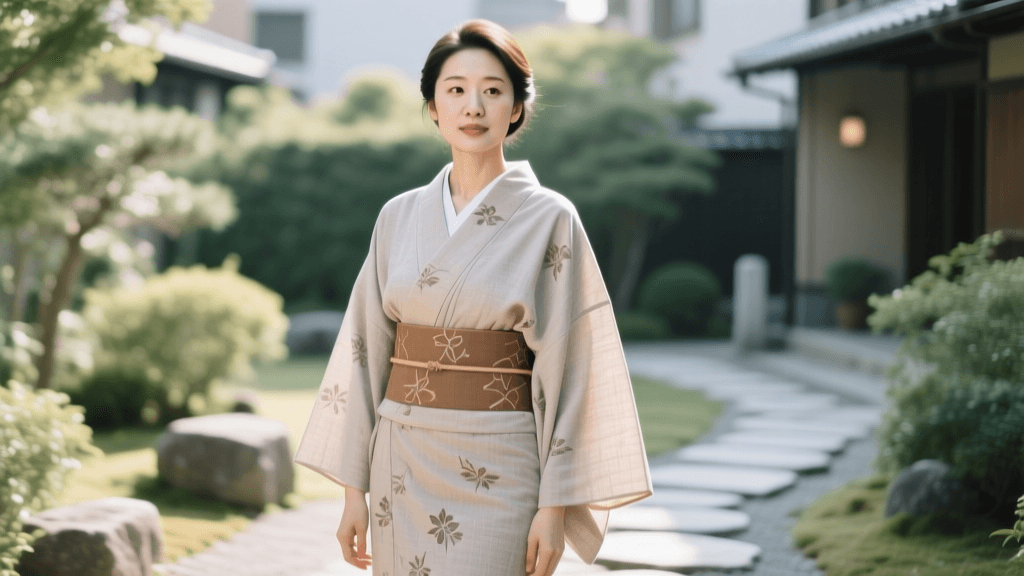
The traditional Japanese kimono has experienced a profound digital renaissance over the last decade. Once viewed strictly as formal wear reserved for weddings, coming-of-age ceremonies, or tea ceremonies, the kimono is now being reimagined by a vibrant global community of influencers, vloggers, and digital creators. Through platforms like YouTube, TikTok, and Instagram, these creators are demystifying kitsuke (the art of kimono dressing), breaking down language barriers, and proving that traditional Japanese garments can be integrated into modern, everyday wardrobes.
For content creators and cultural enthusiasts alike, building an online kimono community requires a blend of historical respect, technical filming expertise, and savvy vintage sourcing. This guide explores the actionable strategies successful kimono vloggers use to grow their audiences, source authentic vintage silk, and foster meaningful cultural exchange.
Essential Gear for the Aspiring Kimono Vlogger
Filming traditional Japanese textiles presents unique challenges. Silk weaves like rinzu (satin damask) and metallic threadwork (surihaku) are highly reflective. Capturing the depth of yuzen dyeing or the subtle textures of shibori tie-dye requires specific camera settings and lighting setups.
Camera and Lens Selection
Top kimono vloggers prioritize cameras with exceptional color science, particularly for rendering deep reds, indigos, and golds accurately. The Fujifilm X-S10 or Sony ZV-E10 are industry favorites, ranging from $700 to $900. Pair these with a 35mm or 50mm prime lens (equivalent to 50mm-75mm on full-frame) to capture full-body dressing tutorials without distorting the garment's proportions. A tripod with a fluid head is essential for smooth panning shots when showcasing the drape of an obi (sash).
Lighting for Silk and Metallic Threads
Direct flash or harsh ring lights will blow out the highlights on metallic threads and flatten the intricate patterns of a homongi (visiting kimono). Instead, invest in continuous LED lighting. A popular, budget-friendly setup includes:
- Key Light: Aputure Amaran 100d ($189) paired with a large parabolic softbox like the Aputure Light Dome II ($169). This provides a soft, wraparound light that accentuates the sheen of silk without creating harsh glare.
- Fill Light: A simple 5-in-1 reflector ($25) placed opposite the key light to lift shadows in the deep folds of the kimono.
- Practical Lighting: Incorporate traditional Japanese props, such as a washi paper lantern with a warm LED bulb inside, to add cultural ambiance and depth to the background.
Sourcing Vintage Kimono Through Online Networks
A cornerstone of any successful kimono channel is the thrill of the hunt. Online communities on Reddit (such as r/kimono) and specialized Facebook groups have revolutionized how international collectors source vintage garments, bypassing expensive retail markups by utilizing Japanese domestic auction sites.
Understanding Vintage Measurements
Unlike Western clothing, kimono are sold based on specific flat measurements. Vloggers must educate their audiences on how to read these metrics to ensure a proper fit:
- Yuki (Center Back to Wrist): The most critical measurement. For an average height of 5'4" (162cm), look for a yuki of 63cm to 65cm.
- Mitake (Back Length): Measured from the base of the collar to the hem. Ideal lengths range from 155cm to 165cm, allowing for the ohashori (the tuck at the waist).
- Sode (Sleeve Length): Determines the formality. Furisode (long swinging sleeves) measure over 100cm, while tomesode and komon feature shorter sleeves around 49cm to 60cm.
Navigating Japanese Proxy Services
To access Yahoo! Auctions Japan, Mercari Japan, and Rakuten, international buyers rely on proxy services like Buyee, ZenMarket, and Sendico. These platforms charge a handling fee (typically 10% to 15% of the item price) plus domestic and international shipping. Savvy vloggers often do "unboxing and inspection" videos, teaching their audience how to check for kimon (defects) such as yellowing on the collar, mold spots on the silk, or weakened threads along the seams.
Platform Comparison for Kimono Creators
Different social media platforms serve distinct purposes in the kimono community ecosystem. Below is a strategic comparison for creators looking to optimize their content distribution.
| Platform | Best Content Format | Audience Intent | Monetization Potential |
|---|---|---|---|
| YouTube | Long-form dressing tutorials, history deep-dives, vintage hauls | Educational, high intent to learn and purchase | High (AdSense, sponsorships, affiliate links) |
| High-quality editorial photos, Reels of obi tying, stories | Aesthetic inspiration, community networking | Medium (Brand deals, selling personal collection) | |
| TikTok | Quick transitions, "get ready with me" (GRWM), styling hacks | Entertainment, viral discovery, trend participation | Low-Medium (Creator fund, driving traffic to shop) |
| Reddit/Discord | Text-based Q&A, troubleshooting kitsuke, sourcing advice | Deep community support, niche problem solving | Low (Community building, Patreon conversion) |
Navigating Cultural Appreciation in Digital Spaces
As the kimono gains global visibility, vloggers must navigate the delicate line between cultural appreciation and appropriation. The most respected creators in the space approach the garment not merely as a costume, but as a living artifact of Japanese history, art, and social structure.
Understanding the historical evolution of the garment is paramount. According to the Metropolitan Museum of Art's Heilbrunn Timeline of Art History, the kimono evolved from the kosode (a humble undergarment) into the primary outerwear of the Edo period, becoming a complex canvas for social signaling, wealth, and artistic expression. Vloggers who share this historical context elevate their content from simple fashion styling to cultural education.
Furthermore, the kimono has a long history of global interaction. The Victoria and Albert Museum's 'Kimono: Kyoto to Catwalk' exhibition extensively documented how Japanese textiles influenced European fashion as far back as the 17th century, and how Western textiles, in turn, influenced Japanese weavers. Highlighting this reciprocal history helps creators frame the kimono as a dynamic, globally connected garment rather than a static, isolated relic.
For creators looking to deepen their historical knowledge, the V&A's comprehensive historical guide to the kimono offers invaluable insights into Edo-period sumptuary laws. Learning about concepts like iki (subdued, hidden elegance)—where wealthy merchants hid luxurious, expensive linings inside plain outer garments to bypass strict class-based clothing laws—provides fascinating narrative material for video essays and vlogs.
Fostering a Thriving Online Community
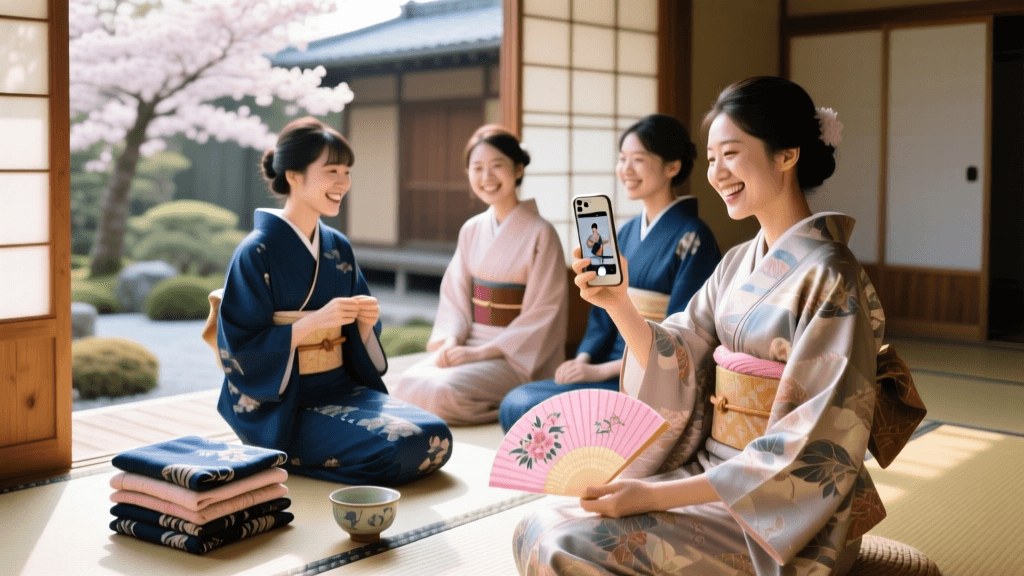
Building a loyal audience requires more than just uploading videos; it demands active community management and engagement. Successful kimono influencers employ several strategies to keep their communities vibrant and supportive.
Hosting Live Dressing Sessions
Live streaming on YouTube or Twitch allows creators to interact with viewers in real-time. Kitsuke can be frustrating for beginners, and live Q&A sessions where the vlogger troubleshootes a slipping datejime (under-sash) or a crooked obi musubi (knot) provide immense value. These sessions foster a sense of camaraderie and shared learning.
Creating Dedicated Discord Servers
Many top creators have migrated their most engaged followers to private Discord servers. These spaces are organized into specific channels: #vintage-sourcing for sharing auction links, #kitsuke-help for posting photos of dressing struggles, and #sewing-and-upcycling for those who repurpose damaged kimono into modern garments or accessories. This structured environment encourages peer-to-peer support, reducing the burden on the creator to answer every question.
Collaborating with Traditional Artisans
To provide exclusive content, vloggers often partner with traditional artisans. Interviewing a yuzen dyer in Kyoto, visiting a shibori workshop in Arimatsu, or speaking with a second-generation obi weaver in Nishijin not only provides captivating video content but also directly supports the preservation of these endangered crafts. Creators can use their platforms to run crowdfunding campaigns or direct sales for these artisans, turning their audience into active patrons of Japanese cultural heritage.
Conclusion
The intersection of traditional Japanese garments and modern digital media has created a unique niche for content creators. By combining technical filming skills, astute vintage sourcing strategies, and a deep, respectful understanding of the kimono's history, vloggers and influencers are ensuring that this iconic garment continues to thrive in the 21st century. Whether you are picking up a camera to film your first dressing tutorial or joining an online forum to hunt for your first vintage komon, the digital kimono community offers a welcoming, deeply enriching space for cultural exploration.