Chinese Silk Embroidery: Guide to Intangible Heritage Artisans
The Living Threads: Understanding China’s Intangible Silk Heritage
When we discuss traditional Chinese garments, such as the flowing Hanfu or the structured Mamianqun (horse-face skirt), we are often captivated by the silhouettes and the vibrant colors. However, the true soul of these garments lies in the meticulous, time-honored textile crafts that bring them to life. Chinese silk embroidery and brocade weaving are not merely decorative arts; they are recognized pillars of global cultural heritage. In 2009, UNESCO officially inscribed the sericulture and silk craftsmanship of China on the Representative List of the Intangible Cultural Heritage of Humanity. This designation highlights the profound cultural significance of the entire silk production process, from mulberry cultivation and silkworm rearing to the reeling, weaving, and intricate embroidery of the final threads.
For modern enthusiasts, collectors, and wearers of traditional Asian garments, understanding the distinction between mass-produced, machine-made textiles and authentic, hand-crafted artisan pieces is crucial. This guide delves into the heart of China’s intangible heritage crafts, offering actionable advice on how to identify, source, and preserve authentic artisan textiles.
The Four Major Embroideries (Si Da Ming Xiu)
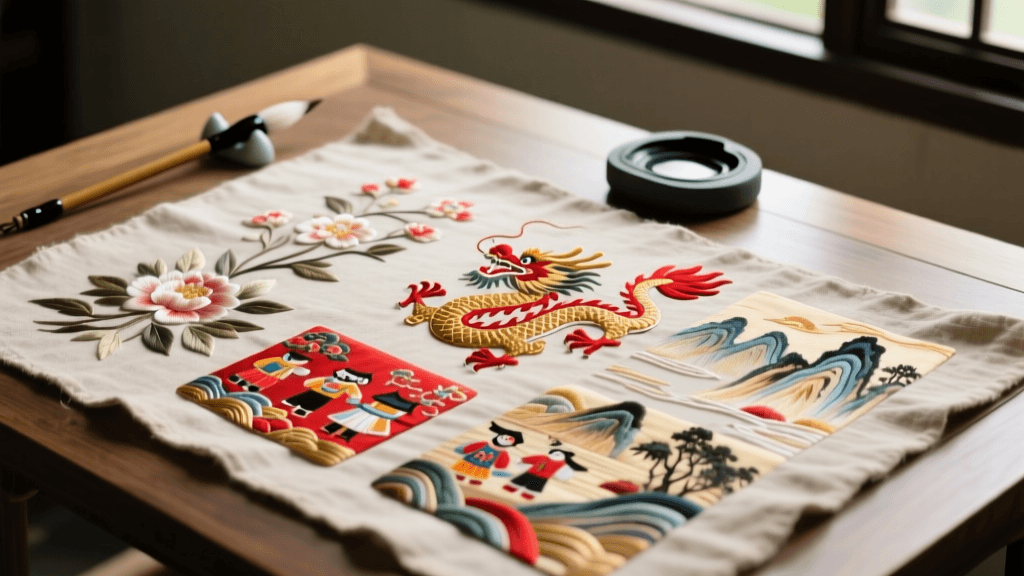
Chinese embroidery is broadly categorized into four major regional styles, collectively known as the Si Da Ming Xiu. Each style has evolved over centuries, shaped by local climates, cultural preferences, and available materials. Understanding these distinctions is the first step in appreciating and sourcing authentic heritage garments.
| Embroidery Style | Region of Origin | Key Characteristics | Common Motifs | Estimated Artisan Cost (Hanfu Panel) |
|---|---|---|---|---|
| Su (Suzhou) | Jiangsu Province | Ultra-fine threads, double-sided stitching, subtle color gradients, flat and smooth surface. | Koi fish, cats, peonies, delicate landscapes. | $800 - $3,500+ |
| Xiang (Hunan) | Hunan Province | Realistic shading, layered stitching, vibrant and contrasting colors, strong three-dimensional effect. | Tigers, lions, dramatic flora, calligraphy. | $600 - $2,500 |
| Shu (Sichuan) | Sichuan Province | Bright, joyful colors, tight and even stitches, heavy use of satin stitch, durable and thick. | Furong flowers, birds, butterflies, bamboo. | $500 - $2,000 |
| Yue (Guangdong) | Guangdong Province | Extensive use of gold and silver metallic threads, dense compositions, highly textured and dramatic. | Dragons, phoenixes, lychees, mythical beasts. | $700 - $3,000 |
Deep Dive: The Mastery of Su Embroidery
Among the four, Su embroidery (Suzhou) is widely considered the pinnacle of refinement. Master artisans in Suzhou can split a single silk thread into up to 48 finer strands, creating gradients so subtle that the embroidery resembles a painted photograph. The most celebrated technique is Shuangmian Xiu (double-sided embroidery), where the artisan stitches on a translucent silk gauze, hiding all knots and thread ends so that the image appears identical and flawless on both sides. When commissioning a high-end Su embroidery Aoqun (a traditional jacket and skirt set), expect the embroidery panels alone to take between four to eight months to complete.
Sourcing Authentic Artisan Hanfu and Textiles
The modern Hanfu movement has sparked a massive demand for traditional garments, leading to a flood of machine-embroidered alternatives. While machine embroidery is affordable and accessible, it lacks the soul, durability, and cultural weight of intangible heritage crafts. Here is how you can source authentic pieces and support the artisans keeping these traditions alive.
Where to Buy: Direct from the Source
To guarantee authenticity, bypass generic e-commerce marketplaces and seek out recognized heritage cooperatives or master studios. For Su embroidery, the epicenter is Zhenhu Embroidery Town in Suzhou. Here, you can visit family-run studios where multiple generations work side-by-side. For Shu brocade and embroidery, the Shu Brocade Weaving Museum in Chengdu offers direct sales from certified heritage weavers. When purchasing online, look for studios that provide a certificate of authenticity, the name of the specific artisan, and video documentation of the piece being stitched.
Identifying Hand-Stitched vs. Machine-Stitched
If you are evaluating a garment in person or via high-resolution photos, use these actionable tips to identify true artisan handiwork:
- Examine the Reverse Side: Machine embroidery often leaves a chaotic web of backing threads and visible bobbin lines. Hand embroidery, especially Su style, will have a remarkably clean back, with threads following the exact path of the front design.
- Check the Thread Shine and Texture: Authentic hand-spun silk has a unique, pearlescent luster that shifts in the light. Machine polyester threads often have a flat, plastic-like glare. Furthermore, hand-stitched silk will have microscopic variations in tension, giving it a soft, organic texture.
- Look for Gradient Shading: Machines struggle with true color blending. If a flower petal transitions from deep crimson to pale pink, look closely at the transition line. Hand embroidery achieves this by interlocking threads of different colors (a technique called Taozhen), whereas machines will simply place blocks of solid color next to each other.
Cost and Timing Expectations
Investing in intangible heritage requires patience and a realistic budget. A fully hand-embroidered Mamianqun featuring a complex Yue-style gold-thread phoenix motif will typically cost between $1,500 and $4,000 USD, with a lead time of 6 to 12 months. For those on a stricter budget, consider purchasing smaller artisan accessories, such as hand-embroidered cloud shoulders (Yunjian), silk fans, or embroidered shoes, which range from $150 to $400 and require only a few weeks of artisan labor.
Beyond Embroidery: The Loom Masters of Yun and Shu Brocade
While embroidery adorns the fabric, the foundation of luxury Hanfu often relies on traditional brocade weaving. Nanjing’s Yun (Cloud) Brocade and Sichuan’s Shu Brocade are legendary. As noted by the Metropolitan Museum of Art’s Heilbrunn Timeline of Art History, the complexity of ancient Chinese silk weaving required massive, multi-story drawlooms operated by two weavers simultaneously—one managing the warp threads below, and the other pulling the complex pattern harnesses above.
Today, authentic Yun brocade is still woven on these traditional wooden looms. The process is agonizingly slow; a master weaving team can produce only about 5 to 6 centimeters of fabric per day. This extreme scarcity birthed the ancient proverb, "An inch of brocade, an inch of gold." When purchasing a Yun brocade jacket, verify that the metallic threads are genuine gold or silver leaf wrapped around a silk core, rather than modern synthetic metallic yarns, which lack the historical accuracy and breathable quality of the original craft.
Practical Care and Preservation for Heritage Garments
Owning a piece of intangible cultural heritage means acting as its custodian. Silk is a protein fiber, making it highly susceptible to light, moisture, and improper handling. Follow these strict preservation protocols to ensure your artisan garments survive for generations:
Cleaning Protocols
- Never Machine Wash: The agitation and harsh detergents will destroy the silk fibers and cause the metallic embroidery threads to tarnish or snap.
- Avoid Standard Dry Cleaning: The chemical solvents used in commercial dry cleaning can strip the natural sericin from the silk, leaving it brittle, and can dissolve the adhesives used in traditional gold-thread wrapping.
- Spot Clean and Air Out: For minor blemishes, use a barely damp microfiber cloth with distilled water. To refresh the garment, hang it in a shaded, well-ventilated area for 24 hours. Never expose heritage silk to direct sunlight, which will cause irreversible fading.
Storage and Display
- Acid-Free Tissue: Always stuff the sleeves and bodice of your Hanfu with unbuffered, acid-free archival tissue paper to maintain the garment's structural shape and prevent deep creasing.
- Cedar and Lavender: Avoid chemical mothballs, which will permanently taint the silk with a toxic odor and degrade the fibers. Instead, use natural cedar blocks or dried lavender sachets placed in the storage box, ensuring they do not directly touch the embroidered surfaces.
- Cotton Garment Bags: Store the garments in breathable, unbleached cotton muslin bags. Never use plastic garment bags, as they trap moisture and emit off-gassing chemicals that will yellow the silk over time.
Supporting the Next Generation of Artisans
The greatest threat to China’s intangible textile heritage is not a lack of skill, but an aging workforce and the economic pressures of modern mass production. Many master weavers and embroiderers are in their sixties and seventies, struggling to find apprentices willing to endure the grueling, low-paying early years of training. By choosing to invest in authentic, fairly compensated artisan pieces, collectors and Hanfu enthusiasts directly fund the apprenticeship programs that keep these ancient looms and needles moving. When you wear a hand-stitched Aoqun or drape a genuine Shu brocade shawl, you are not just wearing a beautiful garment; you are wearing a living, breathing piece of human history, ensuring that the threads of the past remain unbroken in the future.