Heian Fashion Icons: Murasaki Shikibu and Kimono Layering

The Heian Court and the Birth of Japanese Fashion
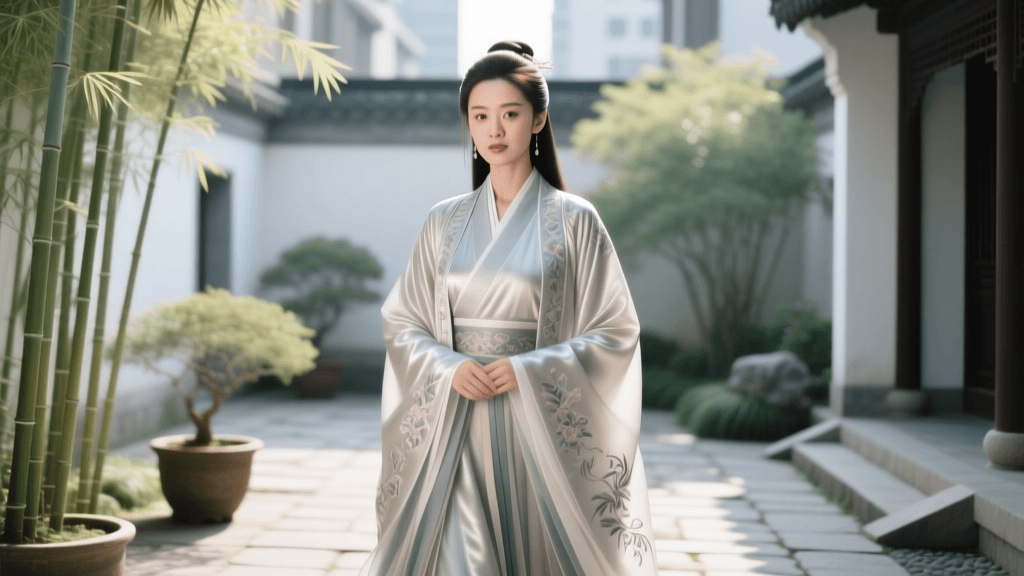
The Heian period (794–1185) represents the zenith of classical Japanese aesthetics, a time when the imperial court in Kyoto cultivated an environment where art, poetry, and fashion were inextricably linked. At the heart of this cultural renaissance were legendary female writers and court ladies, most notably Murasaki Shikibu and Sei Shonagon. Through their literary masterpieces, The Tale of Genji and The Pillow Book, respectively, these women not only documented the intricate social dynamics of the court but also established a fashion legacy that continues to influence traditional Japanese clothing today.
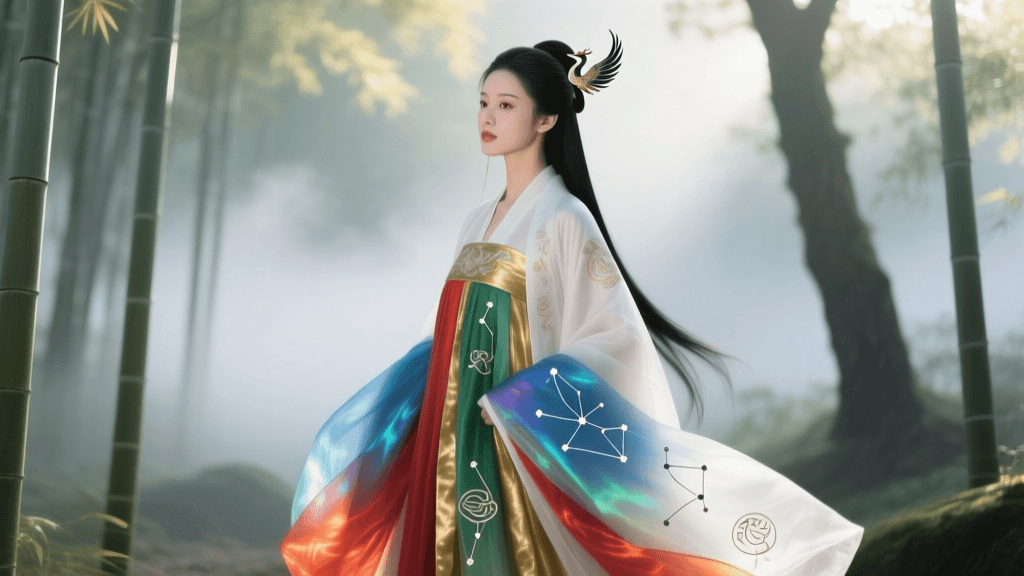
For the Heian aristocracy, clothing was far more than mere protection from the elements; it was a profound medium of non-verbal communication. The layering of garments, the subtle peek of colored silk at the sleeves and hems, and the meticulous selection of seasonal motifs conveyed a wearer's rank, emotional state, and poetic sensibility. According to the Metropolitan Museum of Art's Heilbrunn Timeline of Art History, the Heian period saw the development of the junihitoe (twelve-layer robe), an architectural marvel of silk that required immense wealth and a deep understanding of color theory to execute properly.
Murasaki Shikibu and the Philosophy of Kasane no Irome
Murasaki Shikibu’s writings provide an unparalleled window into the fashion consciousness of the 11th century. In The Tale of Genji, she frequently pauses the narrative to describe the kasane no irome—the specific, poetic layering of colors that defined courtly elegance (miyabi). A court lady's taste was judged not by the opulence of her outermost robe, but by the harmonious gradient of colors visible at her collar, cuffs, and hem.
'In the dim light of the palace, the layers of her robes spoke louder than words, a silent poetry of plum blossoms and melting snow.'
— Inspired by the aesthetics of Murasaki Shikibu’s The Tale of Genji
The foundational undergarment of this era was the kosode (small sleeve), which was originally worn as a basic layer beneath the grand junihitoe. Over centuries, as the heavy layered robes fell out of daily use and the samurai class rose to power, the kosode evolved into the modern kimono. However, the Heian obsession with layered color combinations survived, transitioning from multiple full-body robes to the strategic layering of collars and linings.
Modern Kitsuke: Recreating Heian Layering
Today, modern kimono wearers (kitsuke practitioners) honor Murasaki Shikibu’s legacy through the use of kasane-eri (layered false collars) and date-eri (decorative collars). While wearing a true 12-layer junihitoe is reserved for imperial weddings and specialized historical reenactments, the aesthetic of kasane no irome is highly accessible for everyday and formal kimono styling.
Sourcing and Selecting Kasane-Eri
To replicate the Heian layering effect, you will need to invest in high-quality collars that attach to your nagajuban (kimono undergarment). Here is what you need to know before purchasing:
- Material Costs: Synthetic polyester kasane-eri are affordable and easy to wash, typically costing between ¥2,000 and ¥4,000. For formal occasions, authentic silk crepe (chirimen) or rinzu silk collars are preferred, ranging from ¥10,000 to ¥15,000.
- Measurements: The standard width of a modern kimono collar is 10.5 cm to 11 cm. When purchasing a kasane-eri set, ensure the inner decorative collar is precisely 2 to 3 millimeters narrower than the outer white collar (han-eri) to create the perfect 'peek' effect.
- Attachment Styles: Modern sets often come with a plastic or cardboard core (eri-shin) to keep the collar stiff and prevent wrinkling around the neck.
Step-by-Step Guide to Attaching the Layered Collar
Achieving the flawless Heian-inspired gradient requires precision. Follow these steps when dressing:
- Prepare the Nagajuban: Put on your nagajuban and secure the main collar with a koshihimo (tying sash). Ensure the back seam is centered and the collar sits snugly against the nape of your neck.
- Align the Kasane-Eri: Place the colored kasane-eri over the white han-eri. The colored layer should sit exactly 2mm to 3mm inside the white edge. This tiny margin is the modern equivalent of the Heian sleeve-layering technique.
- Pin and Secure: Use small safety pins or specialized collar clips at the shoulders and the back of the neck to hold the layers together. Do not pin the front chest area, as this will create visible bumps under your outer kimono.
- The V-Neck Angle: When wrapping your outer kimono, pull the collar down at the back to expose about 8 cm of the nape (the eri-nuki gap). This allows the layered colors to frame the face and neck elegantly, a direct nod to Heian court beauty standards.
Seasonal Color Combinations (Kasane no Irome)
The true genius of Heian fashion was its strict adherence to seasonality. Wearing autumn colors in the spring was considered a grave social faux pas. Below is a data table translating historical kasane no irome into actionable modern collar and obi combinations.
| Season | Outer Collar (Han-eri) | Inner Layer (Kasane-eri) | Poetic Meaning & Origin | Modern Application Timing |
|---|---|---|---|---|
| Early Spring | White | Crimson Red | Umegasanegusa (Plum blossoms peeking through snow) | February 4th (Risshun) to Late February |
| Late Spring | White | Pale Pink & Green | Sakura (Cherry blossoms against spring foliage) | March to Early April |
| Summer | White or Light Blue | Wisteria Purple | Fuji (Wisteria flowers swaying in the summer breeze) | June to August (Use ro/sha sheer fabrics) |
| Autumn | White or Cream | Golden Yellow & Brown | Kikikasanegusa (Chrysanthemums and falling autumn leaves) | September to November |
| Winter | White | Deep Indigo & Silver | Shirotae (Frozen rivers and winter night skies) | December to January |
Fabric Seasonality and the Koromogae Transition
Murasaki Shikibu and her contemporaries changed their wardrobes not just for temperature, but to signal the passage of time. This tradition survives today in the practice of koromogae (the seasonal changing of clothes). In the modern kimono world, koromogae occurs officially on two dates: June 1st (transitioning to summer sheer fabrics like ro and sha) and October 1st (transitioning back to lined awase silk garments).
As noted by the Victoria and Albert Museum, the preservation and understanding of these historical textiles and their seasonal rules are vital to maintaining the living heritage of Japanese dress. When caring for your silk kasane-eri and han-eri, it is crucial to remove them from the nagajuban after every wear. Hand wash silk collars gently with a specialized silk detergent, or take them to a professional kimono cleaner (arimono-ya). Never wring silk; instead, roll it in a dry towel to absorb moisture and lay it flat in the shade to prevent UV damage to the delicate natural dyes.
Conclusion: A Living Legacy
The fashion legacy of Murasaki Shikibu and the Heian court ladies is not confined to museum glass or the pages of classical literature. Every time a modern kimono wearer carefully selects a 2mm sliver of crimson silk to peek out from a white winter collar, they are participating in a thousand-year-old aesthetic dialogue. By understanding the history of the junihitoe and applying the principles of kasane no irome to contemporary kitsuke, we keep the refined, poetic spirit of the Heian fashion icons vibrantly alive in the modern world.