Everyday Elegance: Styling Yukata and Haori for Casual Wear
The Shift to Casual Traditional Japanese Wear
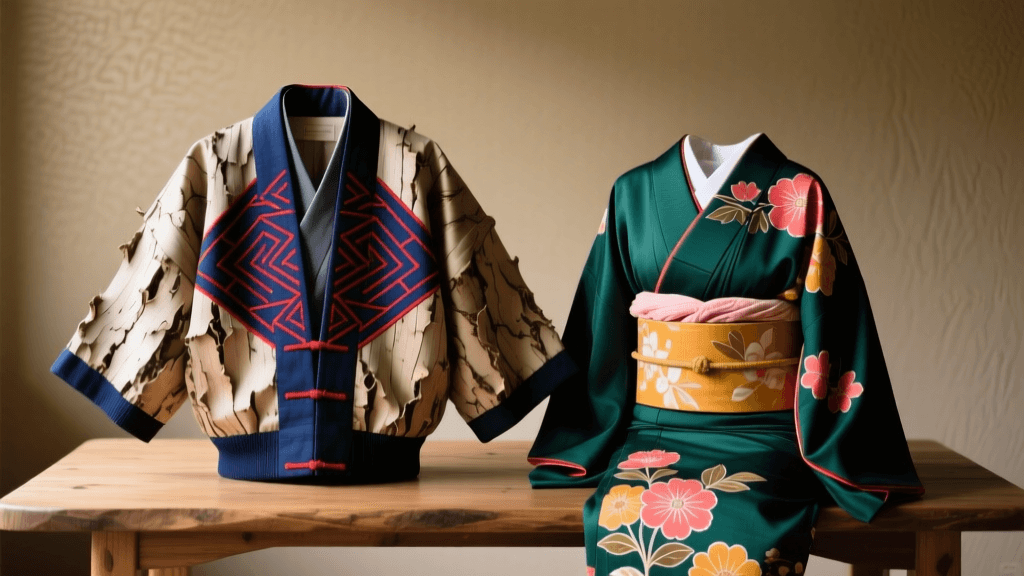
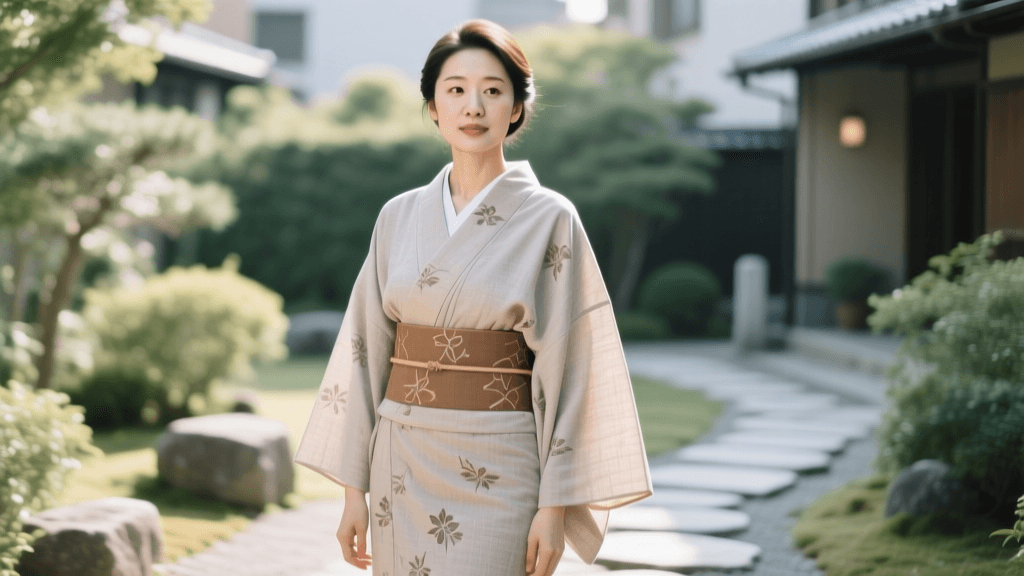
The evolution of Japanese traditional clothing from rigid, multi-layered formal attire to accessible, everyday garments is a testament to the culture's ability to blend heritage with modern practicality. While the formal silk kimono remains reserved for weddings, tea ceremonies, and coming-of-age celebrations, garments like the yukata and haori have successfully transitioned into the realm of casual, everyday wear. According to the Victoria and Albert Museum, the kimono and its derivatives have continuously adapted to global fashion trends, proving that traditional Japanese dress is not a static relic, but a dynamic, living wardrobe. For the modern global citizen, integrating these pieces into a daily rotation offers a unique blend of comfort, elegance, and cultural appreciation.
This guide focuses on the practical, actionable steps required to incorporate the yukata and haori into your everyday casual wardrobe, complete with sizing metrics, styling advice, and cost breakdowns.
Yukata: The Quintessential Summer Casual Wear
The yukata is arguably the most accessible and widely worn traditional Japanese garment today. Originally worn as a bathrobe by the nobility during the Heian period, it evolved into the standard summer festival wear for all classes. Today, it serves as a breathable, stylish option for warm-weather casual outings, beach trips, and summer dinners.
Fabric and Construction
Unlike formal kimono, which are often made of layered silk and require specialized undergarments (juban), the yukata is unlined and typically crafted from cotton or a cotton-polyester blend. This makes it lightweight, machine-washable (in many modern cases), and highly breathable. When shopping for everyday wear, look for shijira-ori (a textured cotton weave) or high-quality combed cotton, which offers a crisp drape and prevents the fabric from clinging to the skin in high humidity.
Actionable Styling: The Modern Bunko Knot
The most intimidating aspect of wearing a yukata is tying the obi (sash). For everyday casual wear, skip the complex traditional knots and opt for a tsuke-obi (pre-tied obi). These cost between 2,000 and 4,000 JPY ($15–$30 USD) and simply slide into place, securing with a small hook or velcro tie. If you prefer to tie your own, the bunko (bow) knot is the standard for women.
- Step 1: Wrap the obi around your waist twice, ensuring the bottom edge sits just on your hip bones.
- Step 2: Cross the ends in the back, pulling the top layer tightly to secure the waist.
- Step 3: Fold the longer end into a neat accordion-style bow, wrap the shorter end around the center, and tuck it securely underneath.
- Step 4: Rotate the entire obi to the front or slightly off-center for a modern, relaxed aesthetic.
Haori: The Versatile Layering Piece
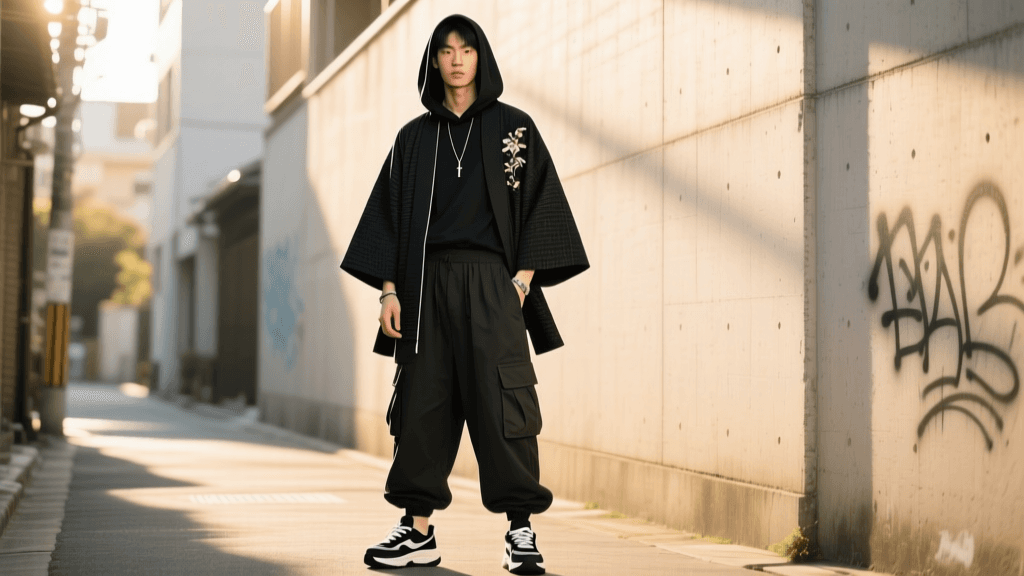
If the yukata is the star of summer, the haori is the undisputed king of transitional and winter layering. The haori is a hip- or thigh-length jacket worn open over a kimono. However, in contemporary fashion, it has been liberated from its traditional base layer and is now frequently styled over Western clothing.
Modern Styling Applications
As noted by BBC Culture, the adaptability of Japanese garments allows them to transcend time and geography. A silk or cotton haori can instantly elevate a basic outfit. For a smart-casual office look, drape a solid-colored, crested (mon) haori over a crisp white t-shirt, tailored dark denim, and leather loafers. For women, a floral or geometric vintage haori worn over a turtleneck sweater and wide-leg linen trousers creates a striking, bohemian silhouette.
The Haori Himo (Jacket Ties)
While the haori is designed to be worn open, it features small loops on the inside lapels to attach a haori himo (decorative braided tie). For a casual look, leave the himo off entirely, allowing the jacket to flow freely as you walk. If you prefer a slightly more structured look, use a simple, thin cotton himo rather than the thick, ornate silk ones reserved for formal events.
Comparison: Yukata vs. Haori for Everyday Use
| Feature | Yukata | Haori | Formal Kimono |
|---|---|---|---|
| Primary Fabric | Cotton, Hemp, Poly-blend | Silk, Wool, Cotton, Linen | Silk (Crepe, Brocade) |
| Lining | Unlined | Often lined (silk or poly) | Fully lined |
| Best Season | Summer (June - September) | Autumn, Winter, Spring | Year-round (seasonal motifs) |
| Average Cost (New) | $40 - $120 USD | $70 - $250 USD | $300 - $2,000+ USD |
| Footwear Pairing | Geta (wooden sandals) | Boots, Loafers, Sneakers | Zori (formal sandals) |
Practical Buying Guide: Measurements and Costs
Buying traditional Japanese garments online or in vintage shops requires an understanding of specific measurements. Western sizing (S, M, L) is rarely used. Instead, garments are measured in centimeters.
Key Measurements
- Yuki (Sleeve Length): Measured from the center of the back of the neck, across the shoulder, and down to the wrist. A standard women's yukata has a yuki of 64cm (25 inches), while men's typically range from 72cm to 78cm (28-30 inches).
- Mitake (Body Length): Measured from the base of the back collar to the bottom hem. For women, the ideal mitake is roughly equal to your height minus 20-25cm, allowing for the o-hashori (the waist tuck). A standard length is 163cm (64 inches). Men's yukata are worn without a waist tuck, so the mitake should match the distance from the back of the neck to the ankle.
- Haba (Width): The width of the back panel. Standard is around 60cm (23 inches). Plus-size options are available but may require custom ordering or searching specialized vintage retailers.
Where to Buy and What to Spend
For authentic, everyday pieces, avoid cheap costume shops. Instead, look to specialized online retailers like Japan Experience, Rakuten Global, or reputable vintage sellers on Etsy who source directly from Kyoto and Osaka. A high-quality, new cotton yukata set (including the obi and geta) will cost around $80 to $150 USD. Vintage silk haori are incredibly affordable due to the shrinking domestic market in Japan; you can easily find pristine, hand-painted vintage haori for $30 to $60 USD, making them an exceptional investment for a modern wardrobe.
Accessories: Completing the Casual Look
To ground your outfit, the right accessories are essential. For yukata, traditional geta (wooden sandals) are standard. For everyday walking, opt for ukka-geta, which feature a slanted, ergonomic wooden base and soft fabric straps that prevent blistering. Pair this with a kinchaku (a small, drawstring bag made of matching cotton) to carry your phone and wallet. For haori outfits, modern leather crossbody bags or minimalist canvas totes blend seamlessly with the garment's structured silhouette.
Care and Maintenance
One of the greatest advantages of casual traditional wear is ease of care. Modern cotton yukata can be hand-washed or machine-washed on a gentle cycle using cold water and a mild detergent. Always fold the garment along its natural seam lines and hang it to dry in the shade to prevent color fading. Silk haori, however, should never be washed at home. Spot clean minor stains with a damp cloth and take them to a professional dry cleaner who has experience handling delicate, vintage textiles. Store both garments flat, folded in the traditional rectangular tatou-shi (paper wrapper) to protect them from moisture and moths.
Conclusion
Integrating the yukata and haori into your everyday wardrobe is a rewarding way to engage with Asian traditions without feeling restricted by formal rules. By understanding the correct measurements, investing in versatile fabrics, and styling these garments with modern staples like denim and linen, you can create a timeless, cross-cultural aesthetic. As global fashion continues to draw inspiration from heritage crafts, the everyday kimono remains a powerful, wearable expression of artistry and history.