Peking Opera Costumes: Guide to Jingju Garments & Festival Wear
The Art of Jingju: More Than Just Performance Wear
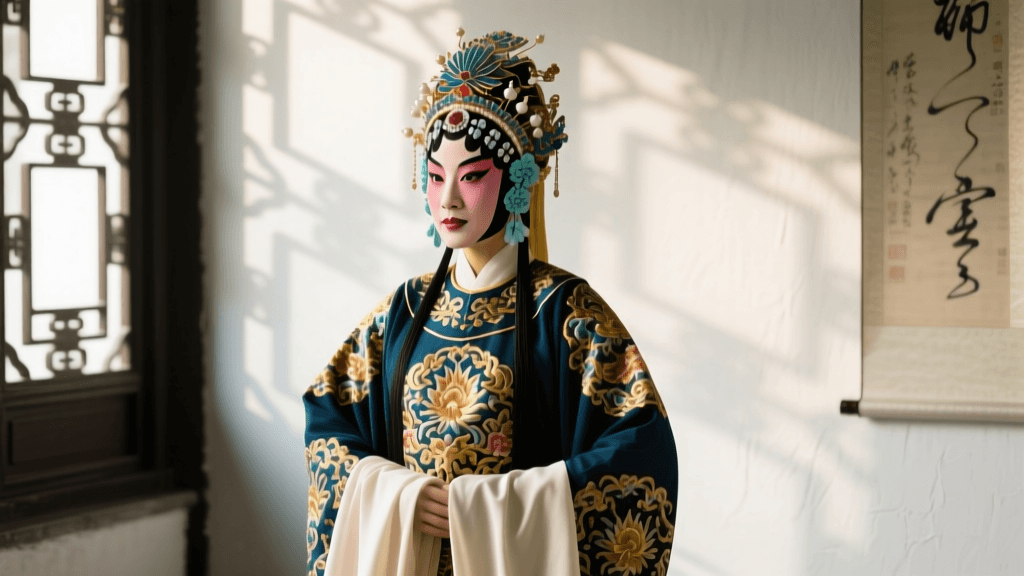
Peking Opera, or Jingju, is a magnificent synthesis of music, vocal performance, mime, dance, and martial arts. Central to this art form is its wardrobe, known as Xingtou. Unlike Western theatrical costumes that often strive for strict historical accuracy, Xingtou operates on a system of strict visual symbolism. The garments are deliberately anachronistic, blending elements from the Tang, Song, Ming, and Qing dynasties to create a timeless aesthetic that instantly communicates a character's social status, personality, and moral alignment to the audience. In 2010, Peking Opera was inscribed on the Representative List of the Intangible Cultural Heritage of Humanity by UNESCO, cementing its status as a global cultural treasure.
Today, these magnificent garments have transcended the stage. During traditional Chinese festivals, cultural parades, and the global Hanfu revival movement, Jingju-inspired garments are frequently worn to celebrate Chinese heritage. Whether you are a theatrical performer, a cultural festival organizer, or a collector of Asian textile arts, understanding the anatomy, sourcing, and care of these garments is essential.
Decoding the Wardrobe: Key Garment Categories
As noted by Encyclopedia Britannica, the stylized nature of Peking Opera requires costumes that enhance movement and project character across a large auditorium. The wardrobe is divided into several distinct categories, each serving a specific narrative purpose.
| Garment Name | Pinyin | Character Role | Key Features | Festival / Stage Use |
|---|---|---|---|---|
| Mang | 蟒 | Emperors, Nobles | Round neck, python embroidery, water sleeves | Grand entrances, formal cultural festivals |
| Kao | 靠 | Generals, Warriors | Armor with flags (kaoqi), padded shoulders | Martial arts performances, parade floats |
| Pei | 帔 | Scholars, Officials | Center-front opening, flowing sleeves | Casual stage scenes, exhibitions |
| Xuezi | 褶子 | Commoners, Students | Cross-collar, simple fabrics, dark colors | Everyday roles, minimalist parades |
| Kuaoyi | 夸衣 | Heroes, Outlaws | Short jacket, tight cuffs, embroidered motifs | Acrobatic displays, street festivals |
Color Symbolism and Character Archetypes
In the world of Jingju, color is never arbitrary. It is a rigid code that informs the audience of a character's inner nature before they even speak a line. When selecting garments for a festival performance or theatrical production, adhering to these color rules is paramount for authenticity.
- Red: Signifies loyalty, bravery, and uprightness. Often worn by revered generals and righteous officials.
- Black: Represents boldness, fierceness, and impartiality. Commonly used for fierce warriors and stern judges.
- White: Denotes treachery, cunning, and a suspicious nature. Frequently worn by villainous court officials.
- Yellow: The exclusive color of the imperial family, symbolizing supreme power and royalty.
- Blue and Green: Associated with supernatural beings, demons, or fierce mountain bandits.
Sourcing and Sizing: A Practical Guide for Festivals & Performances
Acquiring authentic Peking Opera costumes requires an understanding of theatrical sizing and textile economics. Unlike modern street clothing, Xingtou is designed to be worn in layers and must accommodate extreme physical movements, including high kicks and acrobatic flips.
Measurements and Fit
When ordering custom or made-to-measure garments, do not use your exact body measurements. Theatrical tailors require 'garment measurements' which include ease for movement and under-padding.
- Chest & Waist: Add 4 to 6 inches (10-15 cm) to your actual measurements to allow for the thick quilted undergarments (pangao) used to create the imposing silhouettes of nobles and warriors.
- Sleeve Length: Standard garments end at the wrist, but performance garments feature Shuixiu (water sleeves). For beginners and festival wearers, request water sleeves that are 18 to 24 inches long. Professional stage performers often use sleeves extending 36 inches or more.
- Shoulder Width: For Kao (armor) and Mang (court robes), the shoulder seams are intentionally dropped and padded to create a commanding, broad-shouldered stance. Specify your desired 'padded shoulder width' rather than your natural skeletal shoulder width.
Costs and Material Tiers
The price of a Jingju costume varies wildly based on the base fabric and the embroidery technique employed.
- Entry-Level / Festival Grade ($80 - $200): Constructed from poly-satin or polyester crepe. Embroidery is machine-done with standard rayon threads. Ideal for large festival parades, school productions, and short-term wear. These are breathable enough for outdoor summer festivals but lack the luster of real silk.
- Mid-Range / Semi-Professional ($350 - $800): Features silk-blend fabrics with a mix of machine and hand-embroidery. Often includes metallic gold couching (pan jin). Suitable for regional theatre companies and high-end cultural exhibitions.
- Master-Crafted / Heritage Grade ($2,000 - $8,000+): Woven from pure mulberry silk and featuring meticulous Suzhou embroidery (Su Xiu). Motifs are padded for a 3D effect, using real gold and silver threads. These are museum-quality investments requiring a lead time of 60 to 120 days from specialized tailors in Beijing or Suzhou.
Timing and Procurement
If you are sourcing garments for a specific cultural festival, begin your procurement process at least four months in advance. Custom embroidery, particularly the intricate dragon and python motifs required for Mang robes, is incredibly labor-intensive. For off-the-rack purchases, specialized theatrical supply stores in major Chinatowns (such as those in New York, San Francisco, or London) often carry polyester festival-grade sets that can be altered locally.
Headdresses and Accessories: The Crowning Glory
A Peking Opera costume is incomplete without its headdress (Toumian). These elaborate crowns are often heavy, adorned with pom-poms, pearls, and faux kingfisher feather inlays (Diancui).
- Weight Management: Authentic stage headdresses can weigh between 3 to 5 pounds. For festival wear, request lightweight resin and aluminum wire alternatives from your vendor to prevent neck strain during long parades.
- Securing the Crown: Never rely solely on the chin strap. Theatrical performers use a network of U-shaped hairpins and elastic bands anchored to a tight skullcap worn beneath the headdress. Invest in a cotton theatrical skullcap to protect your hair and provide a gripping surface for the pins.
- Footwear: Warriors and officials wear thick-soled boots (Houdi Xue) that can add 2 to 4 inches of height. If navigating uneven outdoor festival terrain, swap these for traditional cloth shoes with hidden modern orthotic inserts to maintain the aesthetic while ensuring safety.
Care, Maintenance, and Storage
The longevity of a Xingtou garment depends entirely on proper post-performance care. The metallic threads and delicate silk bases are highly susceptible to moisture, friction, and UV damage.
- Cleaning: Never machine wash or dry clean a silk-embroidered opera costume. The chemicals in dry cleaning will strip the metallic threads of their luster, and water will cause the dyes to bleed. Use a handheld garment steamer on a low setting to remove wrinkles and odors. For localized stains, use a barely damp microfiber cloth with a drop of mild, pH-neutral detergent, dabbing gently without rubbing.
- Folding: Never fold a Mang or Kao robe along the embroidered motifs, as this will permanently crease and eventually snap the metallic couching threads. Instead, fold the garment along the plain fabric seams, placing acid-free tissue paper between the folds to cushion the embroidery.
- Storage: Store garments in a cool, dark, and dry environment. Use wide, padded wooden hangers for robes to support the heavy shoulder structures. Cover the garments with unbleached, breathable cotton muslin bags. Avoid plastic garment bags, which trap moisture and encourage mildew growth on the silk fibers.
Conclusion
Peking Opera costumes are a masterclass in wearable storytelling. From the sweeping water sleeves that convey profound sorrow to the imposing armor flags that command entire armies, every stitch serves a purpose. By understanding the historical symbolism, adhering to proper sizing protocols, and investing in meticulous garment care, you ensure that the vibrant legacy of Jingju continues to captivate audiences on both the traditional stage and the modern festival ground.