Decoding Kimono Motifs: Seasonal Colors And Timing Rules
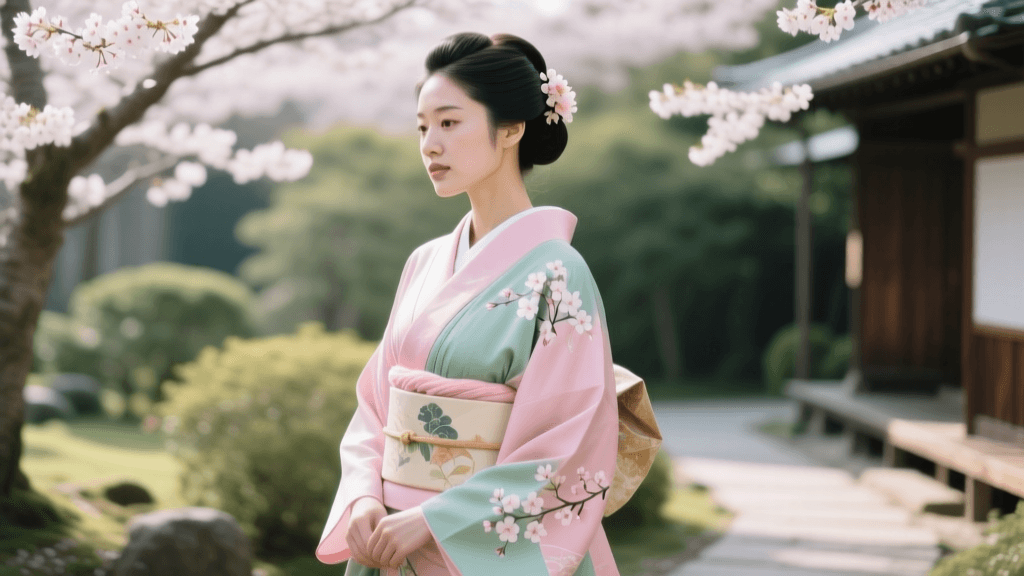
The Art of Kisetsukan: Wearing the Seasons
In the intricate world of traditional Japanese clothing, a kimono is far more than a mere garment; it is a wearable canvas that reflects the natural world, cultural philosophy, and the passage of time. The concept of kisetsukan (seasonal awareness) is the beating heart of kimono styling. Unlike Western fashion, which often reacts to current weather patterns, traditional Japanese dress anticipates the changing seasons, weaving the subtle beauty of nature into every thread, dye, and woven motif. According to the Victoria and Albert Museum's comprehensive guide on kimono history, the garment evolved not just as a marker of social status, but as a profound expression of the wearer's harmony with nature and the cosmos.
Understanding kisetsukan requires a shift in perspective. It is considered highly refined to wear motifs of upcoming flora and fauna just before they bloom or appear in the wild. Wearing a cherry blossom motif while the actual trees are in full bloom is often viewed as too literal, even slightly late. Instead, the sophisticated wearer anticipates the season, inviting the beauty of nature before it fully arrives. This guide will decode the complex language of kimono colors, seasonal motifs, and provide actionable advice on how to source, size, and style these magnificent garments today.
Goshiki: The Five Foundational Colors and Edo Period Aesthetics
To understand kimono motifs, one must first understand the canvas upon which they are painted. The traditional Japanese color palette is deeply rooted in the Goshiki (Five Colors) philosophy, which correlates with the five elements of the universe: wood (blue/green), fire (red), earth (yellow), metal (white), and water (black). During the Edo period (1603–1867), strict sumptuary laws restricted the merchant class from wearing bright, ostentatious colors or lavish motifs. In response, commoners developed the aesthetic of Iki—an understated, subtle elegance.
Merchants would wear subdued, earthy tones like nezumi (grey), chairo (brown), and deep indigo on the outside of their garments, while lining them with vibrant crimson or hidden auspicious motifs. Today, these foundational colors still dictate the formality and seasonal appropriateness of a kimono. Deep indigos and crisp whites are favored in the sweltering summer months to provide a visual sense of coolness, while rich crimsons, golds, and deep purples are reserved for the crisp air of autumn and the festivities of the New Year.
Seasonal Motifs: A Month-by-Month Guide
The motifs adorning a kimono—known as mon-yo—are strictly categorized by season. Wearing a winter motif in the middle of summer is a significant faux pas in traditional kitsuke (kimono dressing). Below is a structured guide to the primary colors and motifs associated with each season, drawing on historical textile data documented by The Metropolitan Museum of Art's Heilbrunn Timeline of Art History.
| Season | Months (Anticipatory) | Primary Colors | Key Motifs | Symbolic Meaning |
|---|---|---|---|---|
| Spring | February - April | Pastel pinks, soft greens, pale yellows | Sakura (cherry blossom), Ume (plum blossom), Fuji (wisteria) | Renewal, fleeting beauty, feminine grace, and the arrival of warmth. |
| Summer | May - July | Indigo, crisp white, aquatic blues | Ayame (iris), Tsubaki (camellia), Seigaiha (ocean waves), Koi | Coolness, resilience, purity, and perseverance against life's currents. |
| Autumn | August - October | Crimson, burnt orange, gold, deep brown | Momiji (maple leaves), Kiku (chrysanthemum), Susuki (pampas grass) | Harvest, longevity, nobility, and the beautiful melancholy of passing time. |
| Winter | November - January | Stark white, deep black, rich pine green | Matsu (pine), Take (bamboo), Tsuru (crane), Yukiwa (snow crystals) | Endurance, steadfastness, longevity, and auspicious beginnings for the New Year. |
Actionable Advice: Sourcing, Sizing, and Styling
Whether you are attending a traditional tea ceremony, visiting Kyoto's historic Gion district, or participating in a formal event, acquiring the right kimono requires practical knowledge of sizing, costs, and timing. Unlike Western clothing, kimonos are not sold in standard S, M, or L sizes. They are tailored to the individual's specific body measurements.
Essential Measurements for Kitsuke
When purchasing or renting a kimono, you must know two critical measurements to ensure the garment drapes correctly and the hem falls at the precise ankle level required for proper styling:
- Mitake (Garment Length): This is the most crucial measurement. The ideal mitake should be exactly equal to your height (measured from the base of the neck to the ankle). For example, if you are 160 cm (5'3") tall, your kimono should have a mitake of approximately 160 cm. This allows for the ohashori, the signature fold at the waist that adjusts the length and symbolizes humility and readiness to serve.
- Yuki (Sleeve Span): Measured from the center back of the neck, across the shoulder, and down to the wrist bone. A standard women's yuki is around 64 cm to 66 cm (25-26 inches). If the yuki is too short, the garment will look restrictive; if too long, it will overwhelm the frame and disrupt the elegant lines of the obi (sash).
Costs and Sourcing: Buying vs. Renting
For travelers and enthusiasts, the decision to buy or rent depends on budget, luggage space, and the formality of the event.
- Buying Vintage (Recycle Shops): Tokyo's Harajuku and Shimokitazawa districts are famous for 'recycle' (vintage) kimono shops like Chicago or Tansu-ya. Here, you can find beautiful, pre-loved silk komon (everyday patterned kimono) or houmongi (visiting wear) ranging from 3,000 to 15,000 JPY ($20 - $100 USD). This is the most cost-effective way to build a collection, though you must carefully inspect the silk for stains or weakened fibers.
- Renting in Kyoto or Tokyo: For a hassle-free experience, renting is highly recommended. A standard daily rental (including kimono, obi, undergarments, zori sandals, and dressing service) costs between 5,000 and 8,000 JPY ($35 - $55 USD). If you require a furisode (the highly formal, long-sleeved kimono for unmarried women), expect to pay 12,000 to 20,000 JPY ($80 - $135 USD) due to the complexity of the dressing process and the value of the garment.
Timing Your Rental
Timing is everything. If you plan to wear a kimono during peak tourist seasons—such as late March to early April for the cherry blossom (sakura) season, or mid-to-late November for the autumn foliage (momiji)—you must book your rental at least 3 to 4 weeks in advance. Popular shops in Kyoto's Higashiyama ward sell out of their premium, seasonally appropriate inventory weeks ahead of the blooms.
The Golden Rule: Anticipation Over Literalism
The most common mistake made by newcomers to Japanese traditional dress is wearing a motif at the exact peak of its natural occurrence. The philosophy of kisetsukan dictates that one should wear seasonal motifs roughly two to four weeks before the season or event reaches its zenith. For instance, wearing a vibrant maple leaf motif in late September or early October is considered incredibly chic, as it anticipates the autumn colors. Wearing that same motif in late November, when the leaves have already fallen and turned brown on the ground, is viewed as melancholic and out of sync with nature's current reality.
"The Japanese aesthetic does not seek to copy nature as it is, but to capture its essence and its fleeting trajectory. To wear the cherry blossom after it has fallen is to wear a ghost; to wear it before it blooms is to wear a promise."
Furthermore, certain motifs transcend the strict boundaries of the calendar. The Shochikubai (pine, bamboo, and plum) trio is considered universally auspicious and can be worn year-round, particularly for weddings, New Year celebrations, and formal gatherings. Similarly, geometric patterns like seigaiha (ocean waves) or asanoha (hemp leaf) are considered mu-kisetsu (seasonless) and are safe, elegant choices for those who are unsure of the strict seasonal calendar.
Conclusion
Mastering the pattern, color, and motif symbolism of the kimono is a lifelong journey into the heart of Japanese aesthetics. By respecting the rules of kisetsukan, understanding the historical context of the Goshiki colors, and ensuring your garment is properly measured and sourced, you do more than just wear a piece of clothing. You participate in a centuries-old dialogue between humanity and the natural world. Whether you are investing in a vintage silk houmongi or renting a vibrant yukata for a summer festival, the motifs you choose tell a story of time, place, and profound cultural respect.