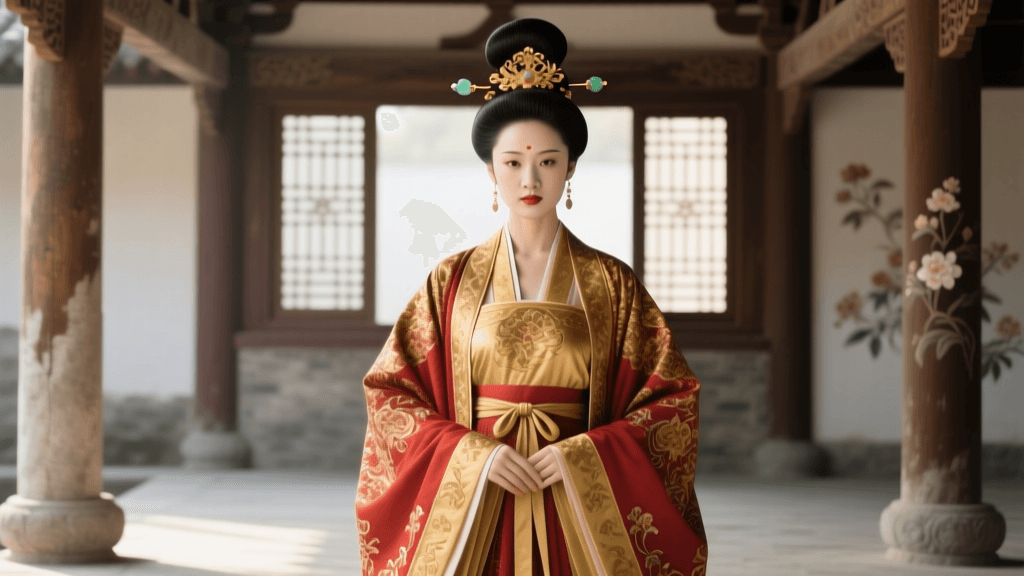
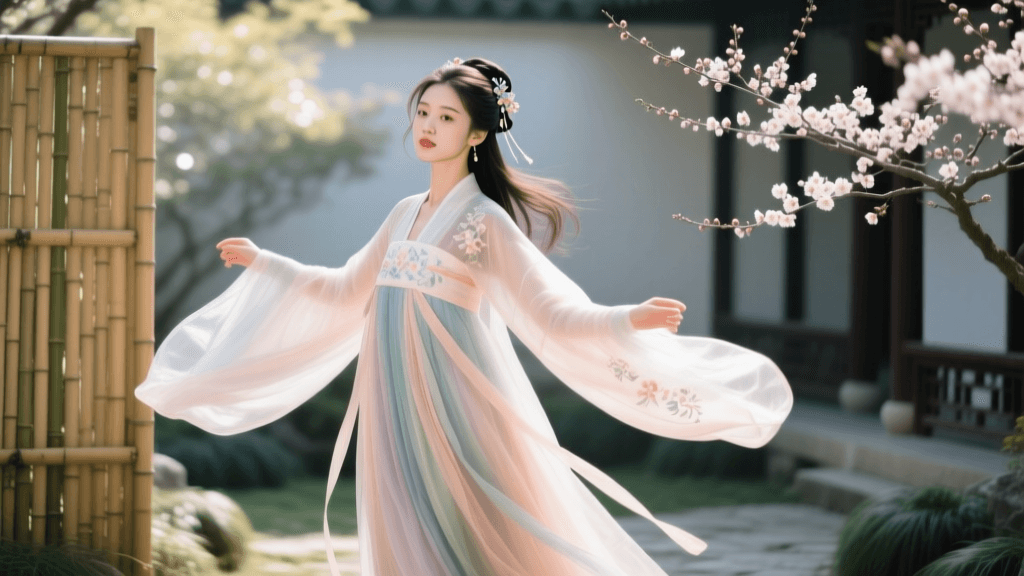
Master Douyin Street Fashion: The New Chinese Style Guide
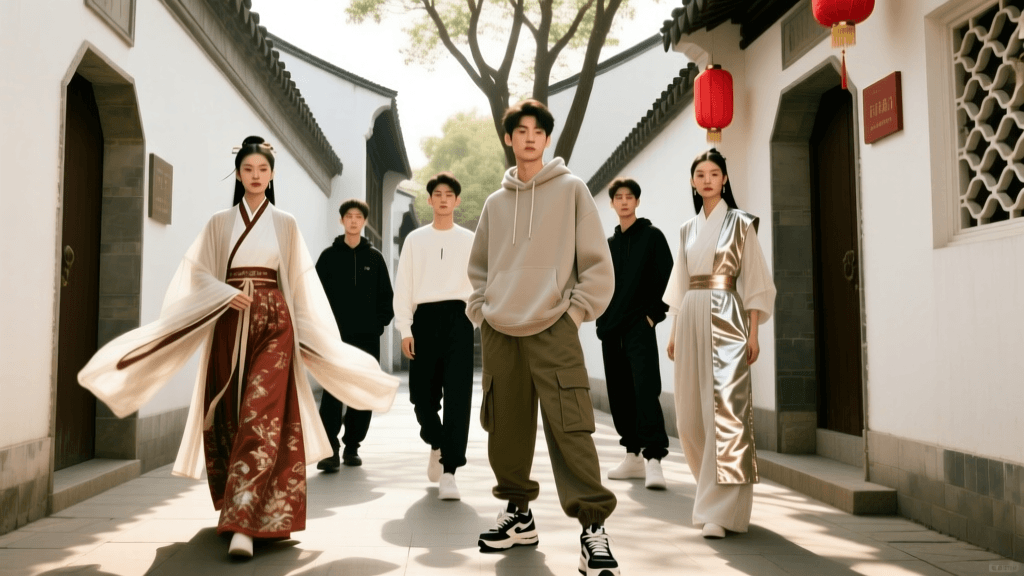
The explosive rise of Chinese street fashion on Douyin (the Chinese counterpart to TikTok) has fundamentally shifted how traditional garments are perceived and worn globally. No longer confined to historical reenactments or photography studios, traditional Chinese clothing has spilled onto the neon-lit streets of Chengdu, the historic alleys of Shanghai, and the modern avenues of Beijing. This movement, widely known as 'Xin Zhong Shi' (New Chinese Style), represents a sartorial revolution where influencers seamlessly blend centuries-old Hanfu silhouettes with contemporary streetwear. For fashion enthusiasts and cultural historians alike, understanding this trend requires a deep dive into the specific garments, styling techniques, and shopping strategies that define the Douyin street fashion aesthetic.
Deconstructing the Douyin Street Hanfu Look
At the heart of the Xin Zhong Shi movement is the rejection of rigid historical purism in favor of wearable, dynamic fusion. Douyin influencers have mastered the art of taking historically significant pieces and adapting them for the modern urban environment. The algorithm heavily favors the 'slow-motion street walk' trend, where the drape, weight, and movement of traditional fabrics are showcased against gritty, modern backdrops like subway stations and skate parks.
The Mamianqun (Horse-Face Skirt) Revival
The undisputed star of Douyin street fashion is the Mamianqun, or horse-face skirt. Originating in the Song dynasty and reaching its zenith in the Ming dynasty, this skirt features two flat, overlapping front and back panels flanked by deeply pleated sides. Influencers love the Mamianqun because its structural volume creates a dramatic silhouette that catches the wind perfectly on camera. Modern streetwear adaptations often feature drop-waists, hidden side zippers (replacing traditional tie closures), and jacquard woven patterns that mimic high-end couture. According to historical archives preserved by institutions like the Metropolitan Museum of Art, the structural integrity and two-dimensional cutting of traditional Chinese garments have long influenced global fashion designers, a legacy that Douyin creators are now reclaiming for everyday wear.
The Modernized Song Beizi
The Song dynasty Beizi is a long, open-front jacket with side slits that reach up to the armpit. On Douyin, influencers treat the Beizi as a luxurious alternative to the modern trench coat or duster. By layering a sheer, floor-length organza Beizi over a simple ribbed tank top and wide-leg denim, creators achieve a look that is both ethereal and grounded. The straight, unstructured cut of the Beizi aligns perfectly with the oversized, gender-neutral silhouettes prevalent in modern streetwear.
Influencer Styling Secrets: Blending Eras
The true genius of Douyin's top fashion influencers lies in their ability to balance proportions and textures. Traditional Hanfu can sometimes overwhelm the modern frame if worn head-to-toe in a street setting. The solution is strategic contrast. Below is a breakdown of how top influencers pair traditional elements with modern staples, including estimated costs for building these looks.
| Traditional Element | Modern Streetwear Pairing | Estimated Cost (USD) | Douyin Styling Tip |
|---|---|---|---|
| Ming Dynasty Mamianqun | Cropped Graphic Tee & Chunky Sneakers | $60 - $120 | Use a leather belt over the skirt's waistband to add an edgy, industrial contrast to the floral brocade. |
| Song Dynasty Beizi | Camisole & Baggy Cargo Pants | $45 - $90 | Roll the sleeves of the Beizi up to the forearm to break up the elongated silhouette and show off layered bracelets. |
| Cross-Collar Duijin Shan | Oversized Leather Biker Jacket | $50 - $110 | Leave the leather jacket unzipped to showcase the intricate neckline embroidery of the Shan underneath. |
| Qing Dynasty Yunjian (Cloud Shoulder) | Minimalist Black Turtleneck | $30 - $75 | Use the Yunjian as a statement necklace; keep the rest of the outfit monochromatic to let the tassels pop. |
Footwear is another critical component of the Douyin look. While traditional cloud-tipped shoes or embroidered slippers are reserved for full historical accuracy, street-style influencers overwhelmingly favor chunky dad sneakers, platform combat boots, or sleek Mary Janes. The heavy soles of modern footwear ground the flowing, ethereal fabrics of the Hanfu, creating a visual anchor that prevents the outfit from looking like a costume.
Actionable Guide: Building Your Neo-Chinese Wardrobe
Transitioning from a casual observer to an active participant in the Xin Zhong Shi trend requires an understanding of traditional garment construction, which differs vastly from Western tailoring. Western clothing relies on darts, seams, and three-dimensional cutting to contour the body. Traditional Chinese garments utilize flat cutting, meaning the fabric is cut in straight lines and relies on the natural drape and the wearer's body to create shape.
Mastering Measurements and Sizing
Because of flat cutting, standard Western sizing (S, M, L) can be misleading when purchasing Hanfu. To achieve the perfect Douyin-inspired drape, you must prioritize specific measurements:
- Shoulder Width: For tops like the Beizi or Shan, the shoulder seam should drop slightly past your natural shoulder line. Measure your shoulder width and add 4 to 6 centimeters for that effortless, relaxed streetwear drape.
- Sleeve Length: Traditional sleeves are designed to extend past the fingertips. When buying for streetwear, look for 'narrow sleeve' (Zhai Xiu) modifications, or expect to roll the sleeves. A standard modernized sleeve length should hit exactly at the wrist bone.
- Skirt Length: The Mamianqun must be measured from your natural waist (not the hips). For a wearer who is 165cm tall, a skirt length of 100cm to 105cm is ideal. This ensures the hem grazes the ankle without dragging on the pavement, which is crucial for maintaining the pleats' sharpness in an urban environment.
Fabric Weights and Seasonal Adaptations
Douyin influencers change their fabric choices based on the season to maintain the garment's structural integrity. In the sweltering summer, look for 'Xiangyun Sha' (gambiered Canton gauze) or lightweight polyester organza with a fabric weight of around 80g to 120g per square meter. These fabrics provide the necessary volume without causing overheating. For winter streetwear, influencers opt for heavy woven brocades or wool-blend jacquards weighing upwards of 300g per square meter. The Victoria and Albert Museum notes that traditional Chinese dress prioritized the two-dimensional drape and surface decoration of the textile over structural tailoring, making the choice of fabric weight the single most important factor in how the garment moves on camera.
Timing Your Purchases and Navigating Taobao
To build a high-quality Xin Zhong Shi wardrobe without overspending, timing your purchases around Chinese e-commerce festivals is essential. The two most critical windows for Hanfu shopping are the Taobao Maker Festival (usually held in August or September) and the Singles' Day shopping festival (November 11). During these periods, top Hanfu brands offer significant discounts, bundle deals, and exclusive streetwear collaborations.
When searching on Taobao or AliExpress, using the correct Mandarin keywords will yield vastly superior results compared to English searches. Use '新中式' (Xin Zhong Shi) for modern fusion pieces, '马面裙' (Mamianqun) for horse-face skirts, and '日常汉元素' (Daily Hanfu elements) for subtle, streetwear-friendly nods to traditional design.
Sourcing Authentic Pieces vs. Fast Fashion
The market is currently flooded with cheap, mass-produced knockoffs that use synthetic, non-breathable fabrics and incorrect pleating structures. To ensure you are investing in garments that honor the tradition while serving your streetwear needs, focus on established brands. For entry-level and trendy Douyin styles, Shisanyu (十三余) offers excellent collaborations and modernized cuts in the $40 to $80 range. For mid-tier quality with a focus on historical accuracy adapted for daily wear, Zhongling (钟灵记) and Chuanhua provide exceptional jacquard weaves and durable pleats for $80 to $150. If you are looking for investment-grade, luxury streetwear, Minghuatang (明华堂) is the gold standard, offering museum-quality silk brocades and meticulous tailoring, with skirts often exceeding $400.
Conclusion
The Douyin street fashion movement is more than just a fleeting internet trend; it is a profound cultural reclamation. By blending the architectural beauty of the Mamianqun and the ethereal drape of the Song Beizi with the grit and edge of modern streetwear, Chinese influencers have created a vibrant, living fashion ecosystem. Whether you are sourcing your first jacquard skirt or layering a cloud shoulder over a vintage leather jacket, the New Chinese Style offers a deeply personal way to wear history on the modern streets. Embrace the flat cuts, respect the fabric weights, and step out into the world with the confidence of a thousand years of sartorial heritage behind you.