Samue and Jinbei: A Guide to Casual Japanese Loungewear
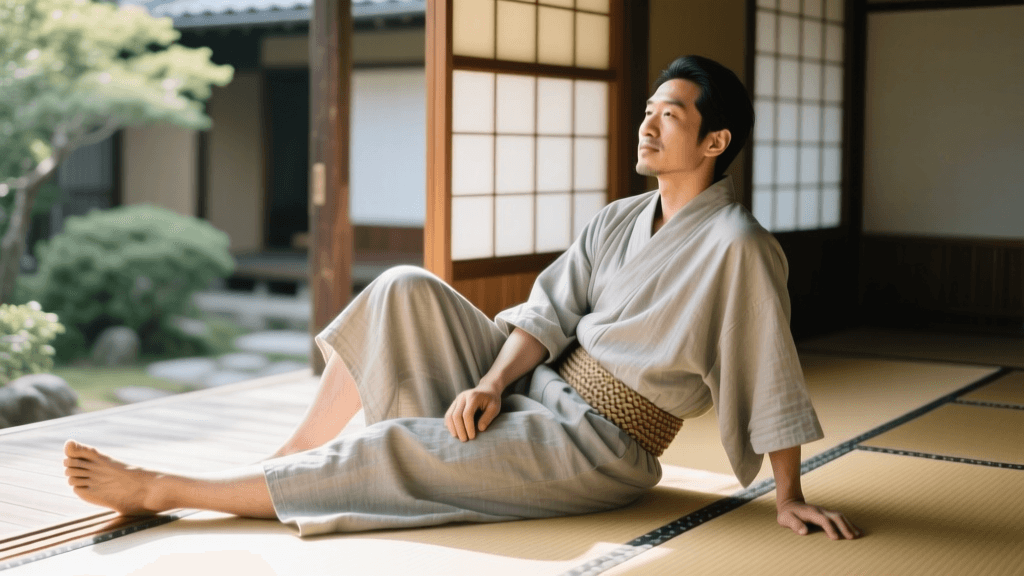
When most people think of traditional Japanese clothing, the formal kimono or the elegant yukata immediately come to mind. However, Japan possesses a rich heritage of everyday, casual garments designed for comfort, utility, and relaxation. As modern lifestyles shift towards remote work and home-centric living, traditional Japanese loungewear and casual summer garments—specifically the samue and the jinbei—are experiencing a massive global renaissance. These garments offer a masterclass in functional design, breathable textiles, and effortless styling. In this comprehensive guide, we will explore the history, construction, and modern styling of Japan's ultimate casual wear, providing actionable advice on sizing, costs, and where to integrate these pieces into your daily wardrobe.
The Zen Origins of Samue: From Temple Workwear to Modern Loungewear
The samue (作務衣) translates literally to 'work clothes.' Originally developed centuries ago by Zen Buddhist monks, these garments were designed for samu—physical labor such as sweeping temple grounds, chopping wood, and farming. The design prioritizes freedom of movement, durability, and modesty. A traditional samue set consists of a kimono-style jacket with a front tie and loose-fitting trousers with an adjustable drawstring waist and gathered ankles.
Today, the samue has transcended its monastic roots. It is widely worn by Japanese artisans, potters, chefs, and calligraphers as a uniform of focus and craftsmanship. In recent years, it has also become a staple of premium home loungewear. According to cultural reports featured in Nippon.com, the modern appreciation for samue is deeply tied to the Japanese concept of 'ke' (everyday, ordinary life) versus 'hare' (formal, festive occasions). The samue is the ultimate expression of 'ke'—finding beauty and dignity in the mundane routines of daily life.
Textiles and Pricing
The cost of a samue varies wildly based on the textile and dyeing technique.
- Entry-Level Cotton ($40 - $70): Typically made from standard cotton or cotton-polyester blends. These are machine-washable, durable, and perfect for beginners or light housework.
- Wazarashi Cotton ($80 - $130): Wazarashi is a traditional Japanese cotton weaving technique that takes months to complete. The resulting fabric is incredibly soft, highly absorbent, and becomes more comfortable with every wash.
- Kurume Gasuri and Tsumugi Silk ($150 - $300+): Kurume gasuri is a complex indigo-dyed, tie-dyed cotton textile from Fukuoka, recognized as an Important Intangible Cultural Property. Tsumugi silk offers a textured, slubby finish that breathes beautifully. These are investment pieces meant to last a lifetime.
Jinbei: The Edo Period's Answer to Summer Heat
If the samue is the king of year-round loungewear, the jinbei (甚平) is the undisputed champion of Japanese summer. The jinbei originated during the Edo period (1603–1867) as an undergarment or indoor wear for samurai and commoners alike. Its name is derived from 'jinbaori,' a sleeveless jacket worn over armor, though the modern jinbei evolved into a two-piece set consisting of a short-sleeved, side-tied top and matching shorts.
The defining feature of the jinbei is the 'waki-ake'—the open side slits where the sleeves meet the body, and along the sides of the shorts. These slits are held together by simple woven ties, allowing maximum airflow and ventilation in Japan's notoriously humid summers. The Japan National Tourism Organization frequently highlights jinbei as the go-to attire for tourists and locals attending summer fireworks festivals (hanabi taikai) and Bon Odori dances.
Cost and Craftsmanship
Mass-produced jinbei made from printed cotton or synthetic blends can be found for as little as $20 to $40. However, artisanal jinbei featuring genuine indigo dye (aizome) or traditional Omi jofu linen can range from $80 to $150. Linen jinbei are particularly prized for their rapid drying time and cool touch against the skin.
Samue vs. Jinbei: A Practical Comparison
To help you decide which garment suits your lifestyle, refer to the comparison chart below:
| Feature | Samue | Jinbei |
|---|---|---|
| Primary Season | Year-round (fabric dependent) | Strictly Summer |
| Silhouette | Long sleeves, full-length gathered pants | Short sleeves, knee-length shorts |
| Closure System | Inner and outer front ties, drawstring pants | Side ties (waki-ake), drawstring shorts |
| Best Occasion | Working from home, crafting, temple visits, relaxing | Summer festivals, beachwear, sleeping, casual lounging |
| Average Cost | $50 - $200 | $25 - $120 |
Sizing, Measurements, and the Art of the Fit
Purchasing traditional Japanese clothing online can be daunting due to different sizing conventions. Unlike Western clothing, which relies on precise waist and inseam measurements, Japanese casual wear utilizes a more forgiving, adjustable system.
Most samue and jinbei are sold in standard Japanese sizes: M (Medium), L (Large), and LL or XL (Extra Large).
- Size M: Fits heights 165-175 cm (5'5" - 5'9"). Jacket length is approximately 75 cm; pant inseam is roughly 65 cm.
- Size L: Fits heights 175-185 cm (5'9" - 6'1"). Jacket length is approximately 80 cm; pant inseam is roughly 68 cm.
- Size LL: Fits heights 180+ cm (5'11"+). Jacket length is approximately 85 cm; pant inseam is roughly 70 cm.
Because the waistbands rely on folded fabric and tie-strings rather than zippers or buttons, a single size can often accommodate a 3- to 4-inch variance in waist circumference. When tying the pants, it is customary to tie the string at the front or slightly off-center using a simple bow knot, allowing for easy adjustment after meals or when changing sitting positions.
Styling Tips: Bridging Tradition and Modernity
While traditionally worn barefoot or with simple sandals, modern styling allows for immense versatility. As noted in lifestyle columns by The Japan Times, contemporary Japanese youth are increasingly mixing traditional garments with modern streetwear elements.
- Footwear: For indoor wear, bare feet or traditional tabi socks are ideal. If stepping outside, pair your samue with 'setta' (traditional Japanese sandals with leather soles) or minimalist leather sneakers for a modern, relaxed aesthetic.
- Layering: In cooler months, layer a lightweight wool cardigan or a modern denim jacket over your samue top. The kimono-style collar frames the neck beautifully, providing a structured look even with casual outerwear.
- Accessories: A simple tenugui (cotton towel) tied around the neck or head not only adds a pop of color but serves a practical purpose for artisans and chefs keeping sweat at bay.
Care and Maintenance of Natural Textiles
To preserve the integrity of your garments, especially those dyed with natural indigo, proper care is essential.
'The beauty of natural indigo lies in its evolution. It fades not as a sign of wear, but as a record of the life lived within the fabric.' — Japanese Textile Proverb
Always wash indigo-dyed samue and jinbei separately in cold water using a neutral pH detergent. Place the garments in a mesh laundry bag to prevent friction and uneven fading. Never use bleach or harsh stain removers. When drying, avoid direct sunlight, which can rapidly degrade natural dyes and cause the cotton fibers to become brittle. Instead, hang them in a well-ventilated, shaded area.
Conclusion
The samue and jinbei represent the pinnacle of functional, everyday traditional wear. They prove that cultural heritage does not have to be locked away in closets for special occasions; it can be lived in, worked in, and relaxed in every single day. Whether you are seeking a comfortable work-from-home uniform or a breathable outfit for a summer evening, these garments offer a timeless connection to Japanese craftsmanship and the art of comfortable living.