The Modern Hanfu Revival: A Practical Guide to Building Your Wardrobe
The Roots of the Hanfu Revival Movement
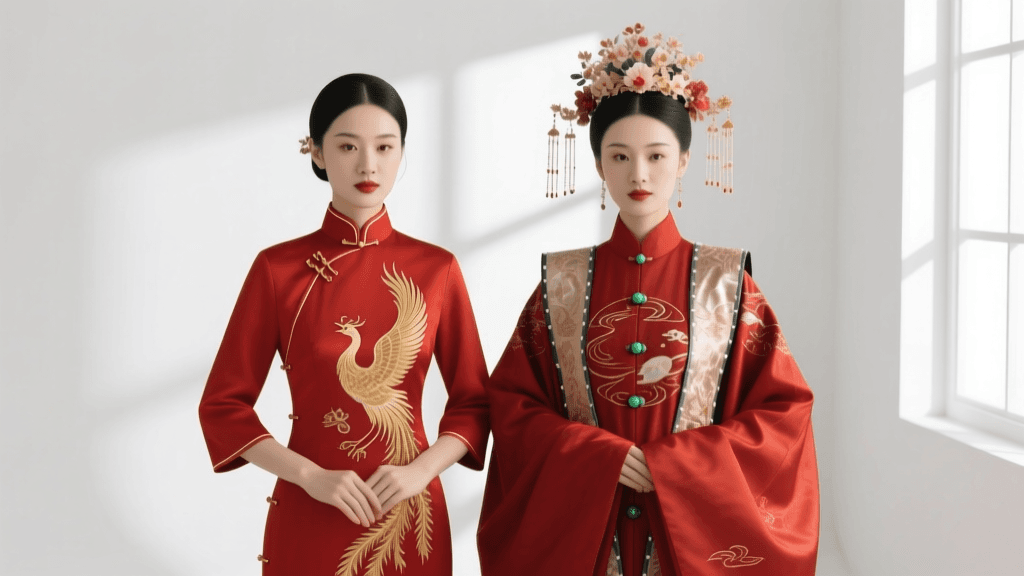
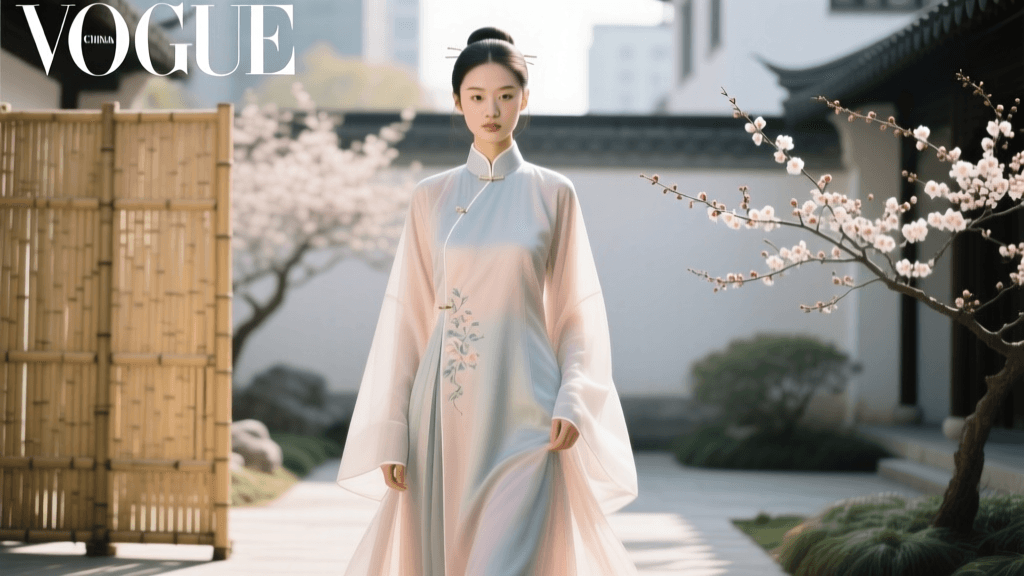
The Hanfu revival movement, known domestically as Hanfu Yundong, is far more than a fleeting aesthetic trend; it is a profound cultural renaissance among China's youth. Hanfu refers to the traditional clothing system of the Han Chinese, which spans over three millennia but was largely marginalized following the Qing Dynasty's imposition of Manchu dress codes in the 17th century. The modern movement traces its grassroots origins back to 2003, when a man named Wang Letian famously wore a self-made Hanfu outfit in public in Zhengzhou, sparking early internet forum discussions.
Today, the movement has exploded from niche online communities into a multi-billion-dollar mainstream industry. Driven by social media platforms like Douyin (TikTok) and Xiaohongshu, millions of young people are reclaiming their sartorial heritage. According to coverage by BBC News, the trend has transcended cosplay, becoming a legitimate fashion statement and a daily wear choice for a growing demographic. For those looking to participate in this cultural revival, navigating the vast market of historical replicas and modern adaptations requires a strategic approach.
Decoding the Eras: Tang, Song, and Ming
While Hanfu encompasses thousands of years of history, the modern revival market is heavily dominated by three distinct dynastic aesthetics. Understanding these eras is the first step in curating a wardrobe that fits your personal style and climate needs.
Tang Dynasty (618–907 AD): Opulence and Romance
Tang Hanfu is characterized by its bold colors, sweeping silhouettes, and cosmopolitan influences. The most iconic garment is the Qixiong Ruqun (chest-high skirt), which features a high-waisted skirt tied above the bust, paired with a short jacket and a flowing shawl (Pibo). It is highly romantic but can be challenging to secure for everyday wear due to the lack of structural tailoring at the bust.
Song Dynasty (960–1279 AD): Minimalism and Elegance
In stark contrast, Song Hanfu embraces understated elegance, slender silhouettes, and muted, nature-inspired palettes. The staple piece is the Beizi, a long, straight-cut open-front jacket worn over a camisole and a pleated skirt or wide-leg trousers (Songku). Song Hanfu is incredibly practical for modern layering and is highly favored for summer wear due to its lightweight, breathable fabrics.
Ming Dynasty (1368–1644 AD): Structure and Regality
Ming Hanfu offers the most structured and recognizable silhouettes in the modern revival. The defining garment is the Mamianqun (horse-face skirt), a wrap skirt featuring flat front and back panels with heavily pleated sides. Paired with an Ao (a structured, often lined jacket with distinctive pipa-shaped sleeves), Ming Hanfu is regal, warm, and exceptionally well-suited for autumn and winter.
Comparison Chart: Choosing Your Historical Era
| Dynasty | Key Silhouette | Aesthetic Vibe | Ideal Season | Starter Cost (USD) |
|---|---|---|---|---|
| Tang | Chest-high skirt, shawl | Romantic, bold, opulent | Spring / Summer | $40 - $80 |
| Song | Straight jacket, pleated skirt | Minimalist, scholarly, sleek | Summer / Early Autumn | $50 - $100 |
| Ming | Horse-face skirt, structured jacket | Regal, structured, imposing | Autumn / Winter | $70 - $150+ |
A Practical Guide to Sizing and Measurements
Unlike Western fast fashion, which relies on arbitrary S/M/L sizing, authentic Hanfu brands utilize precise body metrics or traditional height-to-weight matrices. Because Hanfu is constructed using flat-pattern cutting rather than Western darts and tailoring, the fit relies heavily on drape and overlap.
The Golden Rule: Jiaoling Youren
Before taking measurements, one must understand the most sacred rule of Hanfu: Jiaoling Youren, meaning 'cross-collar, right-over-left.' The left side of the garment must always cross over the right side from the wearer's perspective. Reversing this is historically reserved for the deceased and is considered highly inauspicious.
Essential Measurements
To order custom or accurately select commercial sizes, you will need the following measurements in centimeters:
- Bust (Xiongwei): Measure around the fullest part of the chest. Add 4-6cm for ease of movement, especially for Ming jackets.
- Waist (Yaowei): Measure at the natural waistline. Crucial for Song and Tang skirts.
- Shoulder Width (Jiankuan): Measure from the edge of one shoulder bone to the other. This dictates how the flat-cut sleeves will drape.
- Skirt Length Formula: For a traditional ankle-grazing Mamianqun, subtract 40cm from your total height (e.g., if you are 165cm tall, order a 105cm skirt length, assuming a 20cm waistband).
Navigating the Market: Costs, Brands, and Timing
The Hanfu market operates uniquely, heavily reliant on Taobao and specialized domestic platforms. As noted by the South China Morning Post, the industry has matured into a sophisticated ecosystem of historical researchers, textile weavers, and commercial brands.
Understanding the Pre-Sale (Yushou) Culture
Patience is mandatory in the Hanfu revival. Most top-tier brands operate on a Yushou (pre-sale) model to minimize fabric waste. When you purchase a new collection drop, expect a wait time of 30 to 90 days before the garment is woven, embroidered, and shipped. Always check the listing for estimated shipping dates.
Brand Recommendations by Tier
- Budget-Friendly ($30 - $70): Shisan Yu and Lanruoting. These brands offer trendy, historically inspired pieces perfect for beginners and festival wear. Fabrics are usually polyester blends, but the visual impact is high.
- Mid-Range ($80 - $180): Zhongzheng Hanfu and Tingyue. Excellent for daily wearers. They use better synthetic-natural blends, accurate historical patterning, and refined embroidery techniques.
- High-End / Museum Grade ($200 - $800+): Ming Huatang. The undisputed king of Ming Dynasty replicas. They utilize genuine silk, real gold thread weaving (Zhuanghua), and museum-level historical accuracy. A single Mamianqun from Ming Huatang can cost upwards of $500 and requires a 6-month pre-order wait.
Strategic Timing for Purchases
To maximize your budget, align your wardrobe building with China's major e-commerce festivals. The 6.18 Festival (June 18) and Double 11 (Singles Day, November 11) are the best times to buy. Brands often offer 15% to 30% discounts, bundle deals, and free shipping. Furthermore, many brands release exclusive seasonal collections during the Taobao Maker Festival in late summer.
Styling Hanfu for the Modern World
The true spirit of the Hanfu revival movement is not about strict historical reenactment, but about integrating traditional aesthetics into contemporary life. Modern Hanfu enthusiasts (often called Tongpao) frequently blend eras and incorporate modern conveniences.
Fusion Footwear and Accessories
While traditional embroidered cloth shoes (Buxie) are beautiful, they lack arch support for modern city walking. It is entirely acceptable and highly popular to pair a Ming dynasty Mamianqun with sleek leather loafers, Chelsea boots, or even minimalist white sneakers. For winter, a tailored wool trench coat worn over a Song dynasty Beizi creates a stunning, sophisticated silhouette.
Hair and Jewelry
Complete the look with traditional hair accessories. A simple wooden or jade Zan (hair stick) can elevate a casual outfit. For more elaborate styling, a Buyao (a dangling hairpin that sways with movement) adds a touch of dynastic grace. Avoid overly cheap, shiny plastic accessories; opt for carved wood, resin, or matte metal finishes to maintain the garment's dignity.
Conclusion
Building a Hanfu wardrobe is an investment in wearable history. By understanding the distinct silhouettes of the Tang, Song, and Ming dynasties, mastering the nuances of flat-pattern sizing, and navigating the unique pre-sale market, you can curate a collection that is both culturally respectful and personally expressive. The Hanfu revival movement is a living, breathing testament to the enduring power of traditional craftsmanship in the modern age.