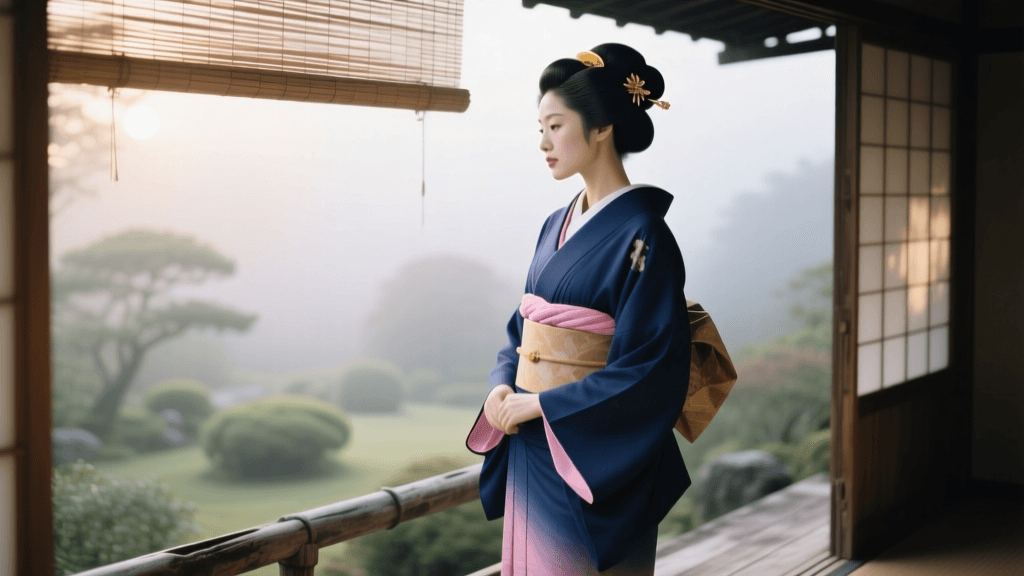
Planning Your Kimono Destination Wedding in Japan
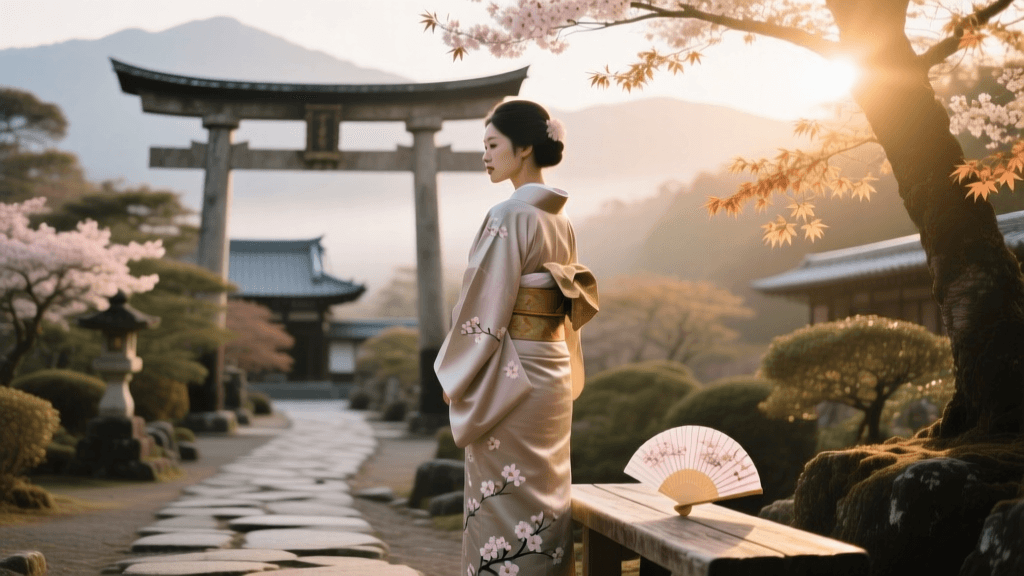
The Allure of a Japanese Destination Wedding
For couples seeking a ceremony steeped in profound history, breathtaking aesthetics, and spiritual significance, a kimono destination wedding in Japan offers an unparalleled experience. Unlike Western weddings that often prioritize the reception, a traditional Japanese wedding—particularly the Shinzen Shiki (Shinto ceremony)—focuses deeply on the ritualistic union of two families. According to cultural authorities like Japan Guide, the Shinto wedding ceremony is a deeply spiritual event conducted by a priest, involving the symbolic sharing of sake known as san-san-kudo. Planning such an event requires navigating unique cultural logistics, from selecting the appropriate ceremonial garments to understanding shrine etiquette and managing the physical demands of traditional attire.
Selecting the Perfect Bridal Kimono
The centerpiece of any Japanese wedding is the bridal attire. Unlike Western bridal gowns, a traditional bridal kimono ensemble is a complex, multi-layered architectural marvel that can weigh up to 20 kilograms (44 pounds). The Metropolitan Museum of Art highlights the structural elegance of these garments, noting in their Heilbrunn Timeline of Art History that the kimono's evolution reflects deep societal shifts and artistic mastery. For brides, there are three primary options to consider:
1. Shiromuku (Pure White Kimono)
The shiromuku is the most formal and traditional bridal garment. Comprising entirely white silk, it symbolizes the bride's purity and her willingness to be 'dyed' in the colors of her new family. It is typically paired with a wataboshi (a white silk hood) or a tsunokakushi (a white headpiece meant to symbolize the bride's intention to hide her 'horns' of jealousy and ego). The ensemble includes a white kakeshita (inner robe) and a heavily embroidered white obi (sash).
2. Iro-uchikake (Colored Outer Robe)
Worn during the reception or the latter half of the ceremony, the iro-uchikake is a vibrant, heavily padded outer robe featuring auspicious motifs like cranes, pine trees, and flowing water. The thick hem padding (fukiyose) ensures the garment trails elegantly on the floor. Crimson, gold, and deep purple are popular choices, offering a striking contrast to the white shiromuku and providing a vibrant backdrop for photographs.
3. Hikizuri (Trailing Skirt)
For destination weddings held in traditional gardens or ryokans rather than shrines, the hikizuri is a popular choice. Originally worn by geisha and high-ranking courtesans, this kimono features a long, trailing skirt that is tied at the waist to create an elegant drape. It is generally lighter and allows for slightly more mobility than the heavily padded uchikake, making it ideal for outdoor garden strolls.
Undergarments and Footwear: The Hidden Foundations
The silhouette of a bridal kimono is cylindrical, designed to conceal the natural curves of the body. Achieving this shape requires specialized undergarments. The hadajuban (undershirt) and susoyoke (half-slip) form the base layer. Over this, a series of padded towels and a specialized corset called a datejime are wrapped around the waist and hips to create a smooth, tubular foundation. Footwear is equally specific: brides wear zori (flat sandals) or okobo (tall, wooden platform sandals) with white or red tabi (split-toe socks). The height of the okobo elevates the bride, ensuring the trailing hem of the kimono does not touch the ground and become soiled.
Hair, Makeup, and Accessories: The Final Touches
Traditional bridal styling is an intricate process that complements the heavy silk of the kimono. Brides typically wear a katsura (custom-fitted wig) styled in the bunkin takashimada updo, which provides the necessary volume and structure to support heavy ornaments. The wig is adorned with kanzashi (decorative hairpins) made of tortoiseshell, gold, or silk flowers, as well as a birabira (dangling metallic ornament) that catches the light during the ceremony. Makeup follows the traditional aesthetic: a matte, porcelain-white base, subtly defined eyebrows, and a striking crimson lip. Modern brides often opt for a slightly softer, more contemporary interpretation of this makeup to ensure it photographs beautifully in natural outdoor lighting. The entire hair and makeup process takes an additional two hours, meaning the bride must begin her preparations in the early hours of the morning.
Top Kyoto Venues for Traditional Ceremonies
Kyoto remains the epicenter of traditional Japanese culture, making it the premier destination for a kimono wedding. When selecting a venue, the official Kyoto tourism board recommends considering the seasonal foliage, as the backdrop of maple leaves in autumn or cherry blossoms in spring dramatically enhances the photography. Popular venues include:
- Shimogamo Shrine: A UNESCO World Heritage site offering a deeply mystical, forested setting. It is highly sought after, requiring bookings up to a year in advance.
- Kamigamo Shrine: Known for its expansive grounds and striking red bridges, providing ample space for post-ceremony photography and larger guest lists.
- Traditional Ryokans: For couples wanting a more intimate, private ceremony followed by a multi-course kaiseki banquet, historic inns like Tawaraya or Hiiragiya offer exclusive garden ceremonies away from the public eye.
Logistics: Renting vs. Buying and Dressing Services
Unless you plan to preserve a family heirloom, renting is the most practical choice for a destination wedding. High-end rental studios in Kyoto and Tokyo provide comprehensive packages that include the garment, accessories, and the services of a kitsuke-shi (professional dresser). The dressing process is an art form that takes between two to three hours. The dresser uses dozens of koshihimo (thin cotton ties) and specialized clips to secure the heavy layers without the use of pins, which are considered bad luck as they symbolize 'cutting' the relationship.
| Garment Type | Formality Level | Best Suited For | Estimated Rental Cost (USD) | Weight |
|---|---|---|---|---|
| Shiromuku | Highest | Shinto Shrine Ceremonies | $1,500 - $3,000 | 15 - 20 kg |
| Iro-uchikake | High | Receptions, Photo Shoots | $1,200 - $2,500 | 12 - 18 kg |
| Hikizuri | Medium-High | Garden Ceremonies, Ryokans | $800 - $1,800 | 8 - 12 kg |
Etiquette and Cultural Considerations
When hosting a Shinto ceremony, it is vital to respect the sacred nature of the shrine. Guests are expected to dress formally; while Western suits and dresses are acceptable for foreign guests, modesty is paramount. Shoulders and knees should be covered. Photography during the actual ritual inside the main hall is strictly prohibited at most shrines; you must rely on the official shrine photographer or schedule a posed shoot in the courtyard afterward. Furthermore, the san-san-kudo sake-sharing ritual requires precise movements. The couple takes three sips each from three differently sized cups, symbolizing the bonding of the two families and the overcoming of past, present, and future hardships.
Budgeting and Planning Timeline
A kimono destination wedding requires meticulous planning. Begin your preparations 12 to 18 months in advance. The budget for a traditional ceremony and intimate reception in Kyoto typically ranges from $15,000 to $35,000, depending on the venue, guest count, and the tier of the kimono rental package. This estimate includes the shrine donation (typically around $1,000 to $2,000), the dressing services, hair and makeup, and a professional bilingual wedding planner. Hiring a planner who specializes in international couples is highly recommended, as they will navigate the language barrier, secure the necessary shrine permits, and coordinate the complex timeline of the dressing process and ceremonial transit.
Conclusion
A kimono destination wedding in Japan is more than a photo opportunity; it is an immersion into centuries of textile artistry and spiritual tradition. By understanding the nuances of the garments, respecting the sacred venue etiquette, and preparing for the physical demands of the attire, couples can orchestrate a truly unforgettable and culturally authentic celebration of their union.