Neo-Qipao Fashion: Styling the Modern Cheongsam Daily
The Rise of Xin Zhongshi: The Neo-Qipao Movement
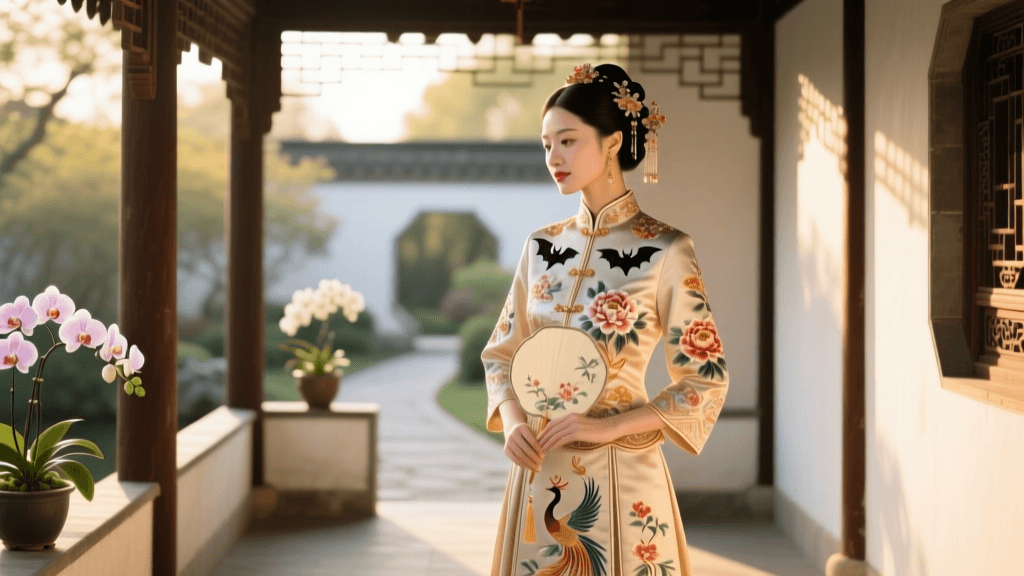
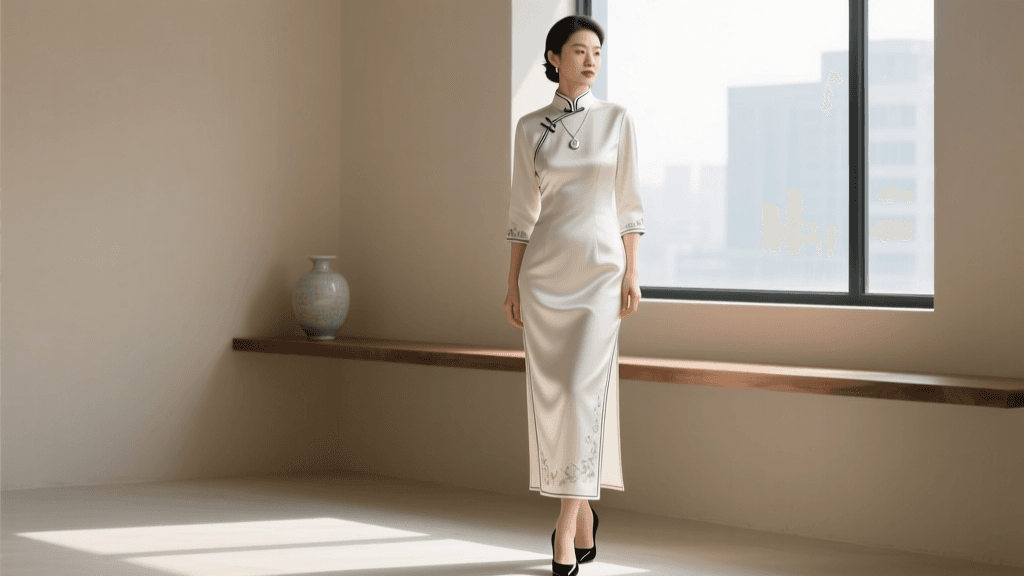
The qipao, historically known in the West as the cheongsam, is one of the most recognizable garments in Chinese sartorial history. Originating in the 1920s as a symbol of modern femininity and progressive ideals in Shanghai, the traditional qipao was characterized by its form-fitting silhouette, high stiff collar, and intricate pankou (knotted button) closures. However, as global fashion has evolved toward comfort, minimalism, and streetwear, a new movement has emerged: Xin Zhongshi, or 'New Chinese Style.' At the forefront of this movement is the neo-qipao, a modern adaptation that deconstructs and reimagines the classic cheongsam for everyday, contemporary wardrobes.
Unlike its predecessor, which was often reserved for formal events, weddings, or hospitality uniforms, the neo-qipao is designed for the modern urbanite. It bridges the gap between heritage craftsmanship and the practical demands of daily life, commuting, and casual socializing. According to industry analyses of the luxury and fashion markets, the New Chinese Style movement is redefining how younger generations engage with their cultural heritage, shifting away from costume-like replicas toward versatile, fusion fashion pieces that can be worn with sneakers and oversized blazers.
Traditional Qipao vs. Neo-Qipao: A Structural Comparison
To understand how to style and tailor a neo-qipao, it is essential to recognize the structural differences between the historical garment and its modern fusion counterpart. The following table outlines the key design shifts that make the neo-qipao suitable for daily wear.
| Design Feature | Traditional Qipao (1930s-1990s) | Neo-Qipao (Modern Fusion) |
|---|---|---|
| Collar Height | High, stiff, and tight (4-6 cm) | Lower, softer, or mandarin band (2-3 cm), or collarless |
| Silhouette & Ease | Form-fitting, zero or negative ease | A-line, shift, or relaxed fit with 2-5 cm positive ease |
| Closures | Functional pankou (knotted buttons) from neck to hip | Decorative pankou with hidden zippers, or snap buttons |
| Slit Placement | High side slits (often mid-thigh or higher) | Lower slits, back slits, or asymmetrical hemlines |
| Sleeve Length | Cap sleeves or full-length tight sleeves | Bell sleeves, puff sleeves, or completely sleeveless |
Actionable Styling Guide: Fusion Wardrobe Pairings
The true test of the neo-qipao lies in its versatility. By treating the garment as a foundational piece rather than a standalone costume, you can create striking fusion outfits. Here are practical, actionable styling formulas for different environments.
Casual Streetwear & Weekend Errands
For a relaxed weekend look, pair a knee-length, A-line neo-qipao made from breathable cotton-linen with chunky streetwear sneakers. Shoes like the New Balance 990v5 or classic Converse Chuck 70s ground the elegance of the cheongsam with utilitarian edge. Layer a cropped, distressed denim jacket over the shoulders to break up the vertical line of the dress. If the qipao features a high slit, wear opaque black cycling shorts or relaxed-fit wide-leg jeans underneath, transforming the dress into a long tunic. This tunic-over-pants layering technique is a hallmark of modern Xin Zhongshi street style.
Office & Smart-Casual Adaptations
Wearing a qipao to the office requires balancing professionalism with cultural expression. Opt for a midi-length neo-qipao in a solid, muted tone like charcoal, navy, or olive green. Avoid loud brocades or heavy dragon/phoenix embroidery, which can look overly festive for a corporate setting. Instead, look for subtle tonal jacquard patterns. Layer a fine-gauge merino wool turtleneck underneath a sleeveless neo-qipao during autumn and winter months. Finish the look with a structured oversized blazer and leather loafers. The blazer obscures the traditional side closures while framing the modern mandarin collar beautifully.
Tailoring and Measurements: Getting the Fit Right
The most common mistake consumers make when buying modern qipao online is ordering their exact body measurements. Traditional qipao tailoring relies on 'zero ease' to create a seamless, sculpted look, but this restricts movement, making it impossible to sit comfortably at a desk or drive a car. When commissioning a bespoke neo-qipao or altering a ready-to-wear piece, use the following measurement guidelines for a fusion fit:
- Bust Ease: Add 3 to 4 cm of positive ease to your actual bust measurement. This prevents the fabric from pulling across the chest when you cross your arms or wear a light layer underneath.
- Waist Ease: Add 2 to 3 cm of ease. The neo-qipao should skim the waist rather than compress it, allowing for comfortable breathing and sitting.
- Hip Ease: Add 4 to 5 cm of ease. Since modern fusion qipaos often lack the extreme high slits of the 1930s, extra hip ease is crucial for walking and climbing stairs without the fabric riding up.
- Collar Gap: When measuring the neck, ensure you can comfortably fit two fingers between the collar and your skin. A 2.5 cm collar height is ideal for preventing chin-chafing when looking down at a smartphone or laptop.
Fabric Selection for Climate Adaptation
Historically, qipaos were made from silk brocade, velvet, or heavy crepe, which are beautiful but often impractical for modern, climate-controlled environments or hot summers. The neo-qipao movement has embraced innovative textiles. For summer, seek out Xiangyunsha (gambiered Guangdong silk), a heritage fabric that is naturally cooling, moisture-wicking, and possesses a unique, crinkled texture that looks incredibly modern. For everyday machine-washable options, a 70% cotton and 30% linen blend offers the structural drape needed for the cheongsam silhouette while providing breathability. In winter, wool-blend tweeds and heavy matte crepes offer warmth and a sophisticated, textured appearance that pairs well with leather accessories.
Cost and Sourcing: Where to Buy Neo-Qipao
The market for modern Chinese fashion is vast, ranging from fast-fashion interpretations to high-end designer pieces. Understanding the pricing tiers will help you invest in quality garments that respect the tradition while delivering modern wearability.
- Mass Market & Fast Fashion ($30 - $80): Platforms like Taobao, AliExpress, and Shein offer entry-level neo-qipao dresses. Search terms like 'daily qipao' or 'Xin Zhongshi dress' will yield thousands of results. While affordable, these often use polyester blends and lack proper seam finishing. They are best for experimenting with the silhouette before investing in tailoring.
- Mid-Tier Indie Designers ($150 - $450): Brands that specialize in modern fusion, such as MS MIN, or specialized Etsy artisans, offer excellent quality. These garments typically feature genuine silk or high-grade linen, hidden zippers for ease of wear, and properly finished internal seams. This is the sweet spot for a durable, everyday wardrobe staple.
- Bespoke & Luxury ($800+): For a perfect fit, visiting a bespoke tailor in cities like Shanghai, Hong Kong, or specialized ateliers in global Chinatowns is the ultimate route. A master tailor will hand-stitch the pankou knots and pattern-match the fabric motifs across the side seams, a hallmark of luxury qipao craftsmanship.
'The qipao is not a static relic of the past; it is a living garment that has always absorbed the zeitgeist of its era. Today's neo-qipao, with its relaxed silhouettes and fusion styling, is simply the latest chapter in a century-long dialogue between Chinese heritage and global modernity.' — The Metropolitan Museum of Art, Heilbrunn Timeline of Art History
Conclusion
The neo-qipao represents a triumph of cultural continuity. By adapting the structural elements of the traditional cheongsam—lowering the collar, introducing positive ease, and utilizing contemporary fabrics—designers have liberated the garment from the confines of the banquet hall and the wedding aisle. Whether you are pairing a linen A-line qipao with white sneakers for a weekend market run, or layering a wool-blend midi dress with a tailored blazer for the boardroom, the modern cheongsam offers a sophisticated, deeply personal way to wear Asian traditions in the 21st century. As noted by fashion historians tracking the evolution of the qipao into a modern fashion staple, the key to successful fusion styling is confidence: treat the garment not as a costume, but as an extension of your personal, contemporary identity. For those looking to explore the broader market trends driving this revival, industry reports from Jing Daily highlight how the 'New Chinese Style' is rapidly becoming a dominant force in global luxury and streetwear alike.