Anime Kimono Cosplay Guide: Styling Hakama and Yukata

The intersection of traditional Japanese garments and global anime fandom has birthed a unique sartorial subculture. From the demon-slaying corps of Demon Slayer to the wandering samurai of Rurouni Kenshin and the comedic heroes of Gintama, traditional Japanese clothing is a staple in anime character design. However, translating these stylized, gravity-defying 2D outfits into real-world convention wear requires a deep understanding of historical garments, practical sizing, and clever modding. This guide explores how to authentically source, size, and style yukata and hakama for anime cosplay, ensuring you look screen-accurate while surviving a long day on the convention floor.
Decoding Anime Archetypes: Yukata vs. Hakama
Before purchasing fabric or renting a garment, it is crucial to identify which traditional clothing archetype your anime character embodies. Anime artists frequently take liberties with historical accuracy, but grounding your cosplay in real-world garments will elevate its quality and comfort.
The Yukata: Summer Festivals and Casual Wear
The yukata is a lightweight, unlined cotton kimono traditionally worn during summer festivals or at ryokans. In anime, it is often used to depict characters in casual settings, summer beach episodes, or festival dates. Characters like Kagome from Inuyasha or the cast of Demon Slayer in their recovery arcs frequently wear yukata. Because it lacks the heavy silk layers of a formal kimono, the yukata is the most accessible entry point for cosplayers dealing with crowded, poorly ventilated convention centers.
The Hakama: Warriors, Shrine Maidens, and Scholars
Hakama are pleated, skirt-like trousers worn over a kimono. Historically worn by samurai and courtiers, they are now standard attire for martial artists, Shinto priests, and graduating university students. According to the Victoria and Albert Museum, the structural rigidity of the hakama's pleats and its stiff back panel (koshita) project an aura of authority and discipline. In anime, hakama are the uniform of choice for swordsmen, shrine maidens (miko), and disciplined student council presidents. Characters like Kenshin Himura or Miko shrine maidens rely heavily on the striking silhouette of the hakama to convey their roles.
Sourcing Your Anime-Ready Garments
While you can sew a kimono from scratch using commercial patterns, using authentic, vintage, or modern Japanese garments provides an unmatched drape and texture. The Metropolitan Museum of Art notes that the straight-line construction of the kimono allows for incredible versatility in sizing and layering, making vintage pieces highly adaptable for cosplay.
Here is a breakdown of sourcing options, estimated costs, and their best applications for cosplayers:
| Sourcing Method | Estimated Cost (USD) | Best For | Durability & Notes |
|---|---|---|---|
| Online Vintage Dealers (e.g., Ichiroya, Yamatoku) | $30 - $150 | Authentic silk yukata, wool hakama, and vintage haori jackets. | High. Vintage silk requires dry cleaning. Check for stains and weak seams. |
| Modern Retailers (e.g., Chicago Kimono, local boutiques) | $80 - $250 | Brand new cotton yukata and synthetic hakama (easy to wash). | Very High. Machine washable synthetic hakama are ideal for messy cons. |
| Japanese Thrift Stores (Recycle Shops via proxy) | $15 - $60 | Budget cosplayers needing base layers, juban, and obi belts. | Variable. Requires a proxy service like Buyee or ZenMarket. |
| Convention Dealer Rooms | $50 - $200 | Last-minute accessories, tabi socks, and geta sandals. | Moderate. Great for trying on footwear for fit before buying. |
Practical Sizing and Measurements for Cosplay
Anime characters are often drawn with exaggerated proportions, and their garments are depicted fitting like modern tailored suits. Real kimono and hakama, however, are cut from standard bolts of fabric (tanmono) and wrapped to fit the wearer. To achieve an anime-accurate look, you must understand how to measure and manipulate the garment.
Key Measurements
- Height (Choshin): A standard women's kimono is designed for someone around 5'2" to 5'4". If you are taller, you will need to wear the kimono with a deeper fold at the hips (ohashori) or seek out custom-length pieces. Men's hakama are sized by the number of pleats and the waist-to-ankle measurement.
- Hips and Waist: Kimono are wrapped tightly. For cosplay, you may need to pad your hips using a traditional towel wrap or a modern kimono padding belt to create the cylindrical silhouette required to keep the obi from slipping.
- Sleeve Length (Sodetake): Anime characters often have dramatically long, flowing sleeves. Look for furisode (long-sleeved formal kimono) if your character requires dramatic sleeve drape, though be warned: dragging sleeves on a convention floor will quickly ruin vintage silk.
Faking the Anime Silhouette
Anime artists frequently draw the kimono collar in a deep, plunging V-shape to show off the character's collarbone or chest. In traditional kitsuke (kimono dressing), the collar should sit snugly against the back of the neck with only a slight gap. To achieve the anime V-shape without constantly readjusting, use a modern corset belt or a specialized kimono collar stay underneath your juban (under-kimono) to pin the neckline open safely.
Convention Survival: Wearing Traditional Gear All Day
Wearing multiple layers of traditional Japanese clothing in a crowded convention center is an endurance sport. The Japan National Tourism Organization (JNTO) frequently highlights the intricate layering of kimono, which, while beautiful, can lead to severe overheating.
Heat Management
Skip the heavy silk undergarments. Instead, wear a moisture-wicking athletic tank top and a lightweight, breathable cotton juban. Use cooling wipes containing menthol on your neck and wrists before dressing. If you are wearing a hakama, the wide legs actually provide excellent ventilation compared to a tightly wrapped kimono skirt.
Footwear Hacks
Traditional zori and geta sandals require tabi (split-toe socks). Walking miles in rigid wooden geta will destroy your feet. For convention survival, buy modern, rubber-soled tabi boots (like the Jika-tabi worn by construction workers and ninja cosplayers) or insert gel insoles into your zori. Secure the thong (hanao) between your toes with medical tape to prevent blistering during long photoshoots.
Modding Real Kimono for Cosplay: Do's and Don'ts
When adapting historical garments for fictional characters, respect for the textile is paramount.
The Golden Rule: Never cut, bleach, or permanently alter vintage silk kimono. The history woven into these garments outlives any single convention season.
Safe Modding Techniques
- Hem Tape and Safety Pins: If a kimono is too long, use heavy-duty fabric tape or safety pins hidden inside the ohashori (hip fold) to shorten it temporarily.
- False Collars (Date-eri): Anime characters often wear contrasting collars. Instead of layering multiple kimono, sew a strip of contrasting fabric to a false collar and slip it under your main garment.
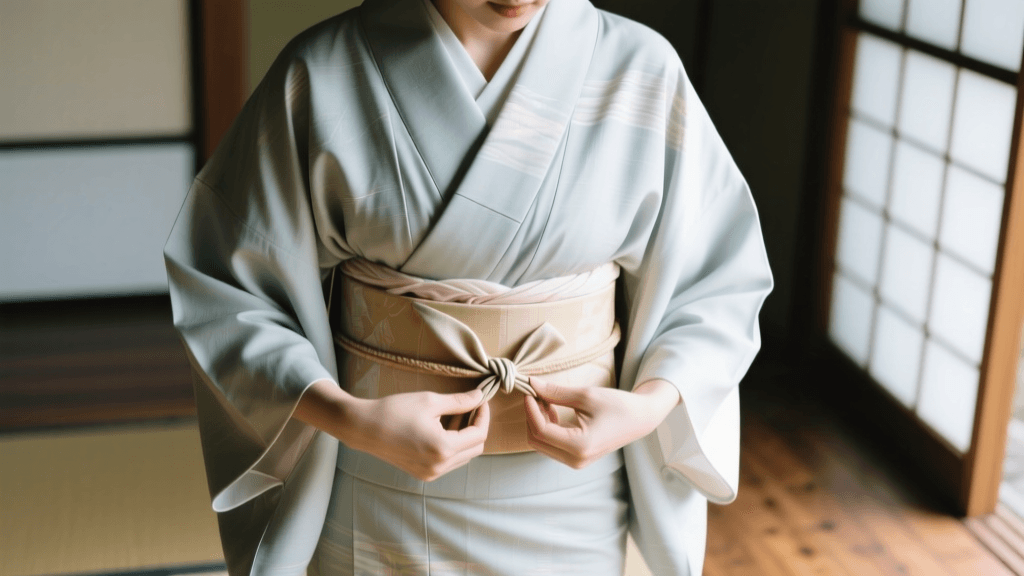
- Obi Styling: Anime characters often wear their obi tied in massive, gravity-defying bows at the front or back. Use a pre-tied obi (tsuke-obi) or stuff your obi knot with lightweight crumpled paper to achieve massive volume without the back pain of tying heavy brocade silk.
- Armor and Props: If your character wears armor over their kimono (like the Hashira in Demon Slayer), use Velcro strips sewn onto the haori (jacket) rather than pinning heavy props directly into fragile silk.
Final Thoughts on Cultural Appreciation in Cosplay
Cosplaying in traditional Japanese garments is a beautiful way to celebrate the artistry and history that inspires your favorite anime. By taking the time to understand the difference between a yukata and a hakama, sourcing authentic pieces, and utilizing safe modding techniques, you bridge the gap between 2D animation and 3D reality. Approach the garment with respect, prioritize your physical comfort on the convention floor, and enjoy the profound connection to Asian traditions that your cosplay represents.