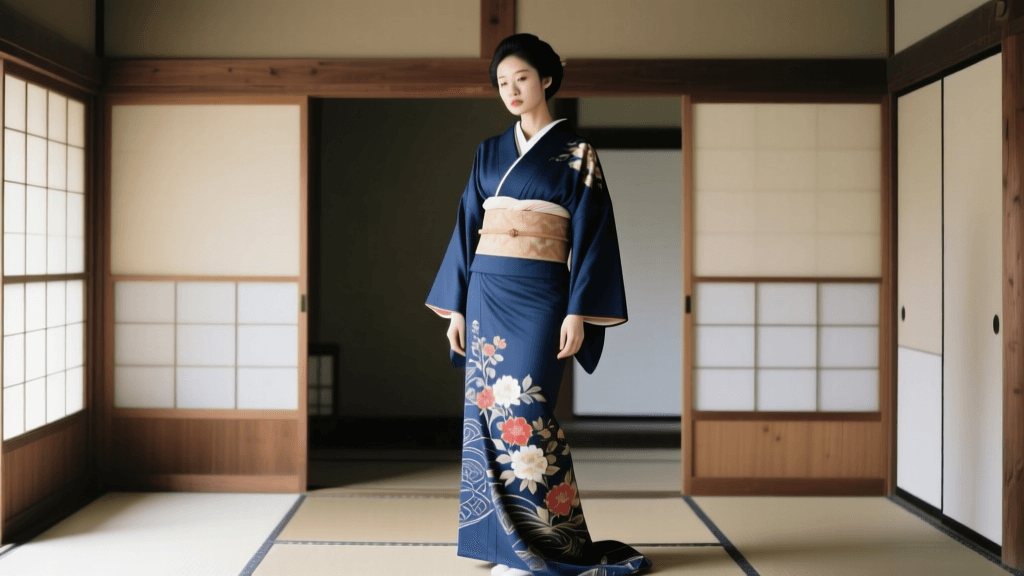
Guide to Ainu Attus and Ryukyuan Bashofu Garments
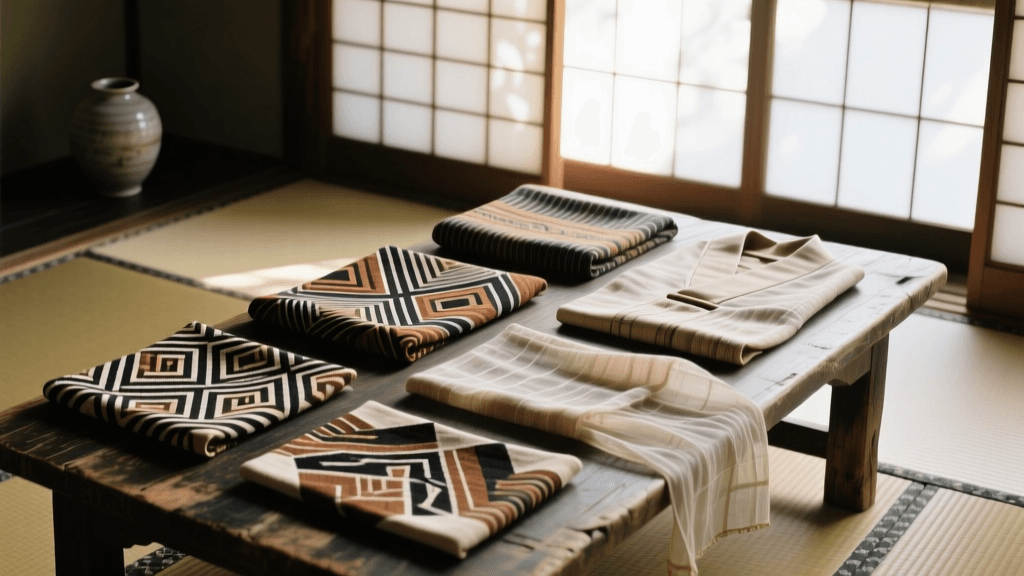
Beyond the Silk Kimono: Japan's Indigenous Textile Heritage
When exploring the vast landscape of Japanese traditional clothing, the global imagination is almost exclusively captured by the silk kimono, the obi, and the yukata. However, the Japanese archipelago is home to profound, distinct indigenous cultures whose textile traditions predate and exist entirely outside the mainstream Yamato fashion history. In the northernmost island of Hokkaido, the Ainu people developed resilient, spiritually significant garments from tree bark. In the southernmost reaches of Okinawa, the Ryukyuan people mastered the ethereal art of weaving banana fibers into cloth fit for royalty.
For collectors, historians, and enthusiasts of Asian traditions, understanding Ainu Attus and Ryukyuan Bashofu is essential. This guide provides a comprehensive, actionable overview of these indigenous textiles, complete with identification markers, market pricing, and preservation techniques.
Ainu Attus: The Resilient Elm Bark Cloth of the North
The Ainu, the indigenous people of Hokkaido, Sakhalin, and the Kuril Islands, possess a deeply animistic culture where every element of nature houses a kamuy (spirit). Their traditional everyday garment, the attus-amip, is woven from the inner bark of the Manchurian elm (ohyo) or the Japanese linden.
Material and Craftsmanship
The creation of attus is a labor-intensive process. Bark is harvested in the spring or early autumn when the sap flows freely. The outer bark is stripped away, and the soft inner layers are boiled, washed, and dried. The fibers are then torn into fine threads and woven on a backstrap loom. The resulting fabric is incredibly durable, water-resistant, and breathable, making it ideal for the harsh Hokkaido winters and humid summers.
While the attus-amip was used for daily labor, ceremonial garments known as chikarkarpe were created by importing cotton or silk from mainland Japan and Russia, which was then heavily embroidered or appliquéd with indigenous Ainu motifs. According to the Upopoy National Ainu Folklore Museum, these motifs—such as the moreu (spirals) and aiushi (thorns)—were strategically placed at the hems, cuffs, and necklines to ward off evil spirits from entering the body's openings.
Practical Guide to Sizing and Wearing
Unlike the tailored, T-shaped Yamato kimono, traditional Ainu garments are cut with a more straightforward, boxy silhouette.
- Standard Measurements: A typical vintage chikarkarpe measures approximately 120 cm across the shoulders (sleeve span) and 115 cm in length from the nape to the hem.
- Fit: They are designed to be wrapped and secured with a simple sash or an obi acquired through trade. The wide sleeves allow for layering over thick winter undergarments.
- Weight: Pure elm bark attus is surprisingly lightweight but stiff when new. With wear, the friction of the body softens the fibers, giving vintage pieces a supple, leather-like drape.
Ryukyuan Bashofu: The Ethereal Banana Fiber Weave of the South
At the opposite end of the archipelago lies the Ryukyu Islands (modern-day Okinawa). Before its annexation by Japan, the Ryukyu Kingdom was a thriving maritime hub. Its indigenous textile, Bashofu, is woven from the fibers of the basho (Japanese fiber banana) plant. Lightweight, breathable, and possessing a crisp, linen-like texture, Bashofu was the ultimate luxury fabric for the subtropical climate.
The Painstaking Process of Bashofu
The production of Bashofu is staggering in its complexity. It takes approximately 200 basho trees to produce enough fiber for a single kimono. The stalks are harvested, boiled, and scraped to extract the inner fibers. These fibers are split into threads as thin as human hair using the weaver's fingernails, tied together, and dyed using traditional kasuri (ikat) tie-dye techniques before being woven on a tall handloom.
The Okinawa Convention & Visitors Bureau frequently highlights Kijoka in Ogimi Village as the historical epicenter of this craft. Today, the Kijoka Bashofu Hall remains one of the few places where the entire process, from harvesting to weaving, is preserved and practiced by master artisans.
Identifying Authentic Bashofu
Because true Bashofu is rare, the market is flooded with synthetic blends or cheaper hemp/ramie imitations. To identify authentic Ryukyuan Bashofu:
- Visual Inspection: Look for slight irregularities in the thread thickness. Hand-split banana fiber will never have the machine-perfect uniformity of mass-produced linen.
- Texture: Authentic Bashofu feels dry, crisp, and cool to the touch. It lacks the oily sheen of silk or the fuzzy softness of cotton.
- The Kasuri Pattern: Traditional Ryukyuan patterns often feature geometric motifs, flying swallows, or dragonflies. In authentic hand-tied kasuri, the edges of the dyed patterns will have a characteristic slight 'bleed' or softness, unlike the sharp, printed edges of modern replicas.
Comparative Analysis: Attus vs. Bashofu
For collectors and curators, understanding the distinct properties of these two indigenous textiles is vital for proper acquisition and display. The Japan Traditional Crafts Aoyama Square recognizes both as critical pillars of Japan's broader craft heritage, though they serve vastly different environmental and cultural needs.
| Feature | Ainu Attus | Ryukyuan Bashofu |
|---|---|---|
| Fiber Source | Inner bark of Manchurian Elm (Ohyo) | Fibers of the Japanese Fiber Banana (Basho) |
| Primary Region | Hokkaido, Sakhalin, Kuril Islands | Okinawa (Ryukyu Islands) |
| Texture & Drape | Stiff initially, softens to a suede-like drape | Crisp, dry, lightweight, similar to fine linen |
| Cultural Function | Everyday workwear, spiritual protection garments | Summer court dress, aristocratic and commoner wear |
| Standard Bolt Size | Woven to custom backstrap widths (approx. 35-40cm) | Tanmono bolt (approx. 38cm wide x 12 meters long) |
| Market Price (Vintage) | $800 - $3,500+ (for ceremonial applique) | $1,500 - $8,000+ (for full Kasuri kimono) |
A Practical Collector's Guide to Sourcing and Pricing
Acquiring authentic indigenous garments requires patience, a reputable network, and an understanding of current market valuations. Whether you are sourcing for a private collection or a museum archive, here is what you need to know about timing, costs, and locations.
Where to Buy and Expected Costs
- Ainu Garments: The best places to source vintage chikarkarpe are antique markets in Sapporo, such as the Hokkaido Antique Fair, or specialized indigenous art dealers in Tokyo's Jimbocho book and antique district. Expect to pay between $300 and $600 for plain, everyday attus-amip work coats. Highly decorated ceremonial robes with Russian trade cloth and intricate cotton applique can easily command $2,500 to $5,000 depending on provenance and condition.
- Ryukyuan Bashofu: For modern, newly woven Bashofu, you must visit Okinawa directly. The Kijoka Bashofu Hall in Ogimi Village sells direct to the public. However, be prepared for the cost: a single, modern, hand-woven Bashofu kimono bolt (tanmono) costs between $10,000 and $25,000 due to the hundreds of hours of labor involved. For antique Bashofu (Meiji or Taisho era), look to specialized kimono recyclers in Kyoto or Tokyo's Oedo Antique Market. Antique fragments or damaged kimono suitable for framing cost $150 to $500, while intact, wearable antique Bashofu kimono range from $3,000 to $10,000.
- Timing: If traveling to Okinawa to commission or purchase Bashofu, visit between October and April. The summer months are exceedingly humid, which can affect the weaving process, and many artisans take time off during the Obon festival in August and the New Year holidays.
Care, Preservation, and Display
Natural bast and leaf fibers require specific environmental controls to prevent degradation, mold, or snapping.
- Humidity Control: Maintain a relative humidity of 45% to 55%. Ainu attus can become brittle and snap if the air is too dry (below 40%), while Ryukyuan Bashofu is highly susceptible to black mold if humidity exceeds 65%.
- Cleaning: Never wash vintage Ainu attus with water. The elm bark fibers will shrink, warp, and lose their structural integrity. Surface dust should be removed with a soft, natural-bristle brush. For Ryukyuan Bashofu, avoid modern dry cleaning chemicals, which can strip the natural oils from the banana fiber. Spot clean with a barely damp cloth or consult a specialist in Japanese antique textiles.
- Storage: Store garments flat in acid-free tissue paper inside archival-quality cardboard boxes. Never hang heavy Ainu ceremonial coats on standard hangers, as the weight of the trade-cloth applique will tear the delicate elm bark shoulders over time.
'Textiles in indigenous Japanese cultures are not merely functional garments; they are the boundary between the human realm and the realm of the spirits. To wear them is to be wrapped in protection.' — Ainu Cultural Proverb
Conclusion
The textile traditions of the Ainu and Ryukyuan peoples offer a vital counter-narrative to the homogenized history of the Japanese kimono. From the rugged, spiritually fortified elm bark of the northern forests to the gossamer, meticulously tied banana fibers of the southern seas, these garments are masterclasses in human adaptation to environment and cosmology. For the dedicated collector, preserving an attus coat or a Bashofu robe is not just an act of sartorial appreciation; it is an act of safeguarding the living heritage of Japan's indigenous ancestors.