Mastering Kimono Etiquette: Formal Dress Codes & Rules
The Philosophy of TPO and Kitsuke in Japanese Culture
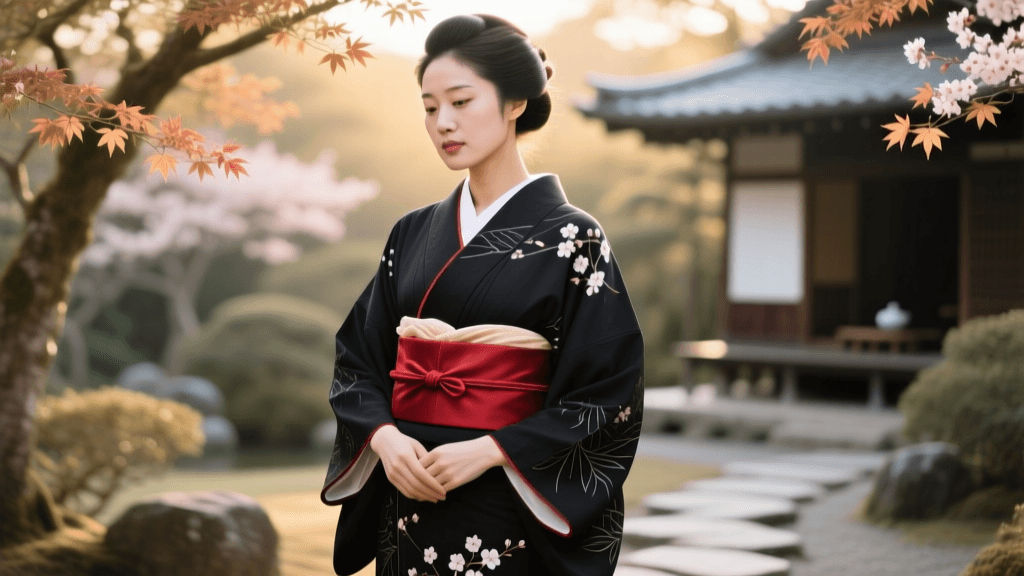
In the intricate world of traditional Japanese clothing, the concept of TPO—Time, Place, and Occasion—dictates every sartorial choice. Unlike Western formalwear, where a standard tuxedo or evening gown might suffice for a wide variety of events, the kimono operates on a highly codified matrix of formality, marital status, age, and seasonality. The art of dressing, known as kitsuke, requires not only technical skill but a deep understanding of cultural etiquette. According to the Victoria and Albert Museum, the kimono evolved from the undergarments of the Heian period into a complex outer garment that serves as a canvas for social signaling, artistic expression, and seasonal awareness. To wear a kimono correctly is to demonstrate respect for your host, the event, and Japanese heritage itself.
The Hierarchy of Formality: Understanding Kimono Types
Navigating formal occasions requires a clear understanding of the kimono hierarchy. The formality of a silk kimono is primarily determined by three factors: the presence and number of family crests (kamon), the dyeing and weaving techniques used, and the continuity of the pattern across the seams.
Kurotomesode (Black Formal Wear)
The kurotomesode sits at the absolute pinnacle of formal wear for married women. Translating to 'black fastened sleeve,' this garment is dyed deep black and features an eba-moyo (a continuous pictorial pattern) exclusively below the obi line. It is always adorned with five family crests (itsutsu-mon) placed on the back of the neck, the outer back sleeves, and the front chest. It is strictly reserved for the most auspicious occasions, most notably worn by the mothers of the bride and groom at traditional Shinto weddings.
Irotomesode (Colored Formal Wear)
The irotomesode is the colored equivalent of the kurotomesode. While it shares the same below-the-obi pattern placement and five-crest configuration, it is dyed in auspicious colors like pale blue, soft pink, or sage green. It is typically worn by close female relatives of the bride or groom who are not the mothers. In modern etiquette, it can also feature three or one crest, slightly lowering its formality to accommodate a wider range of celebratory events, such as milestone birthday parties or award ceremonies.
Houmongi (Visiting Wear)
The houmongi is the most versatile formal kimono, suitable for both married and unmarried women. Its defining characteristic is the eba-moyo pattern that flows continuously across the back seams, shoulders, and sleeves, creating a unified panoramic image when the garment is laid flat. With zero to three crests, the houmongi is the standard choice for attending weddings as a guest, participating in formal tea ceremonies (chaji), or attending university graduation ceremonies.
Furisode (Swinging Sleeves)
Exclusively worn by unmarried young women, the furisode is instantly recognizable by its dramatically long, swinging sleeves. The length of the sleeve denotes specific nuances in formality and age:
- O-furisode (Large): Sleeves measure approximately 114 cm. Worn by brides in traditional Shinto ceremonies or by young women attending their Coming of Age Day (Seijin Shiki).
- Chu-furisode (Medium): Sleeves measure around 100 cm. The most common type, worn for weddings, graduations, and formal parties.
- Ko-furisode (Small): Sleeves measure roughly 85 cm. Often paired with hakama for university graduation ceremonies.
Data Table: Formal Kimono Dress Code Matrix
To ensure you select the appropriate garment for your next event, refer to the following dress code matrix:
| Kimono Type | Target Wearer | Crest Count (Kamon) | Sleeve Length | Best Occasions |
|---|---|---|---|---|
| Kurotomesode | Married Women | 5 Crests | Standard (approx. 50cm) | Weddings (Mothers of Bride/Groom) |
| Irotomesode | Married / Unmarried | 1, 3, or 5 Crests | Standard (approx. 50cm) | Weddings (Close Relatives), Galas |
| Houmongi | Married / Unmarried | 0 to 3 Crests | Standard (approx. 50cm) | Wedding Guest, Tea Ceremony, Parties |
| Furisode | Unmarried Women | 0 to 3 Crests | 85cm to 114cm | Coming of Age Day, Weddings, Graduations |
| Tsukesage | Married / Unmarried | 0 to 1 Crest | Standard (approx. 50cm) | Semi-Formal Dinners, Theater, Exhibitions |
The Architecture of the Obi and Accessory Rules
A kimono is incomplete without its obi (sash), and the choice of obi can either elevate or ruin the formality of the outfit. For formal occasions, the Fukuro obi is the standard. Measuring approximately 31 cm in width and 4.2 meters in length, the fukuro obi is heavily brocaded with gold or silver threads. For the highest level of formality, a vintage Maru obi (woven with metallic threads on both sides and heavily padded) may be worn, though its extreme weight makes it rare today.
The knot (musubi) tied at the back also conveys meaning. The Otaiko musubi (drum knot) is a smooth, rounded knot worn primarily by married or older women, projecting elegance and maturity. Conversely, the Bunko musubi (butterfly knot) or more elaborate floral knots are reserved for young, unmarried women wearing furisode. The accessories that secure the obi—the obiage (silk scarf) and obijime (braided cord)—must harmonize with the kimono. In formal settings, the obijime should feature gold or silver accents, and the obiage should be a high-quality silk crepe (chirimen).
Seasonality and Motif Etiquette
Japanese aesthetics are deeply intertwined with the natural world. As highlighted by the Metropolitan Museum of Art, the motifs adorning Japanese textiles are not merely decorative; they are temporal markers that ground the wearer in a specific moment in nature's cycle. The golden rule of kimono seasonality is anticipation: you should wear motifs a few weeks before they occur in nature, never during or after. For example, cherry blossom (sakura) motifs are worn from late February through early April. Once the actual blossoms begin to fall, wearing a full-bloom sakura kimono is considered a fashion faux pas. Instead, one transitions to wisteria, iris, or peony motifs.
Fabric weight is equally regulated by the calendar:
- Awase (Lined Silk): Worn from October 1st to May 31st. The silk is fully lined for warmth.
- Hitoe (Unlined Silk): Worn exclusively in June and September. The garment features a single layer of silk, often with sheer elements.
- Ro and Sha (Sheer Woven Silk): Worn in July and August. These highly breathable, semi-transparent weaves are essential for surviving the Japanese summer.
Footwear, Tabi, and the Golden Rules of Kitsuke
Formal kimono etiquette extends to the feet. Bare legs or feet are strictly prohibited. You must wear tabi (split-toe socks), and for any formal occasion, they must be pristine, pure white cotton. Footwear consists of zori (formal sandals) made of brocade, vinyl, or leather. The height of the zori heel often correlates with formality, with higher heels reserved for furisode and wedding attire. Geta (wooden clogs) are generally considered too casual for formal silk kimono, though specific lacquered geta are worn with furisode in winter.
Perhaps the most critical rule of kitsuke is the wrapping of the collar. The left side of the kimono must always overlap the right side. Wrapping right-over-left is exclusively reserved for dressing the deceased for burial. Additionally, the back of the collar must be pulled down slightly to expose the nape of the neck (eri-nuki), a traditional focal point of elegance and sensuality in Japanese aesthetics.
Practical Guide: Renting and Purchasing for Formal Events
For international visitors or those attending a one-off event, renting is a highly practical and culturally accepted option. In major cities like Kyoto, Tokyo, and Kanazawa, formal rental shops offer complete packages. A standard Houmongi rental package (including kimono, obi, undergarments, zori, bag, and dressing service) typically costs between 10,000 and 25,000 JPY ($65 to $160 USD). Furisode packages range from 15,000 to 40,000 JPY ($100 to $260 USD) due to the complexity of the garments and the extra time required for dressing.
If you plan to rent or purchase during peak seasons—such as the November autumn foliage season, the March cherry blossom season, or January for Coming of Age Day—you must book your appointment three to six months in advance. When booking, shops will require your height and hip circumference to ensure the kimono's length (mitake) can be adjusted correctly to your body, as traditional kimono are tailored to specific height ratios rather than standard Western dress sizes.