Yukata and Jinbei: A Guide to Casual Japanese Summer Wear
Introduction to Japanese Casual Summer Wear
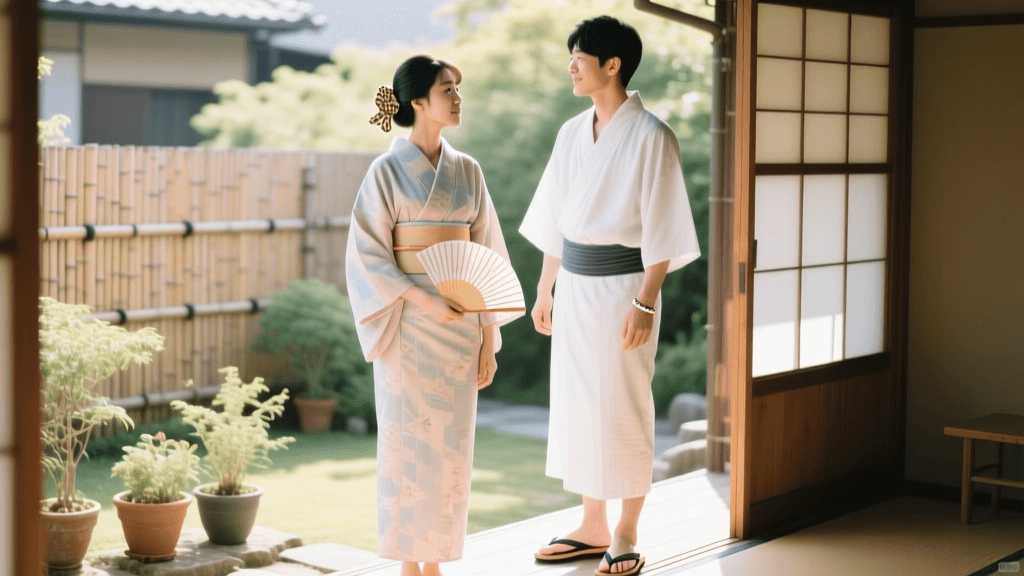
When the sweltering heat and high humidity of the Japanese summer arrive, the heavy, multi-layered silk kimono is carefully packed away. In its place, lightweight, breathable, and effortlessly stylish casual garments take center stage. For both locals and visitors, the yukata and the jinbei represent the ultimate intersection of traditional Japanese aesthetics and everyday summer comfort. Whether you are attending a vibrant neighborhood matsuri (festival), watching fireworks along the river, or simply lounging at home, understanding how to select, wear, and care for these garments is essential for anyone looking to integrate Asian traditions into a modern, casual wardrobe.
According to the Japan Experience, the yukata originated in the Heian period as a simple linen bathrobe worn by aristocrats, eventually evolving into the vibrant cotton staple seen at summer festivals today. Meanwhile, the jinbei has its roots in the utilitarian workwear of the Edo period, designed to offer maximum ventilation for laborers. Today, both garments are celebrated for their practicality, affordability, and deep cultural resonance.
Yukata vs. Jinbei: Which Should You Choose?
While both are categorized as casual summer wear, they serve slightly different purposes and offer distinct silhouettes. Below is a structured comparison to help you decide which garment best fits your daily needs.
| Feature | Yukata | Jinbei |
|---|---|---|
| Silhouette | T-shaped robe, wrapped left over right and secured with an obi. | Two-piece set consisting of a short-sleeved top and matching shorts. |
| Formality | Casual to Semi-Casual (acceptable for festivals, casual dining, dates). | Strictly Casual (loungewear, beachwear, local errands). |
| Gender Norms | Worn by all genders, though patterns and sleeve lengths vary. | Worn by all genders, but historically more popular among men and children. |
| Typical Cost | $30 - $150+ USD | $20 - $80 USD |
| Best Occasion | Fireworks festivals, onsen town strolls, summer dates. | Lounging at home, quick trips to the convenience store, beachside relaxation. |
How to Choose and Size Your Yukata
Unlike Western clothing, which is sized by chest or waist measurements, traditional Japanese garments are sized primarily by height and the yuki (the distance from the center of the back of the neck, over the shoulder, to the wrist). As noted by MATCHA Travel Magazine, getting the correct yuki is crucial for the proper drape of the sleeves and the overall elegance of the wrap.
Key Measurements for Everyday Wear
- Total Length (Mitake): Ideally, the yukata should be roughly equal to your height. When putting it on, the excess fabric is folded at the waist to create the ohashori (the horizontal tuck above the obi). For a modern, casual look, some women prefer a slightly shorter length to avoid the tuck entirely, pairing it with boots or modern sandals.
- Yuki (Sleeve Length): Standard women's yukata usually have a yuki of 64cm to 68cm. If the sleeves extend past your wrists, they will look clumsy and hinder everyday tasks like eating or carrying a bag.
- Hip Width: Ensure the back panel is wide enough to wrap comfortably around your hips without pulling the front panels open when walking.
Fabric Types for Everyday Comfort
The choice of fabric dictates how well your garment will perform in high humidity.
- Standard Cotton (Men): The most common and affordable option. It is highly absorbent and easy to wash, making it perfect for everyday wear.
- Shijira-ori: A traditional seersucker-like cotton weave originating from the Awa region (Tokushima). The puckered texture prevents the fabric from clinging to sweaty skin, making it the ultimate choice for peak August heat. Expect to pay between $80 and $150 for authentic shijira-ori.
- Sasawashi: Often used in high-end jinbei, this is a blend of Japanese washi paper and cotton. It is naturally antibacterial, highly breathable, and dries incredibly fast.
- Polyester Blends: While cheap and wrinkle-resistant, polyester traps heat. For everyday summer wear, always prioritize natural fibers.
Essential Accessories for a Complete Look
A yukata is incomplete without its supporting accessories. For casual, everyday wear, you do not need the formal, stiff maru obi or the ornate hairpins associated with geisha or coming-of-age ceremonies. Instead, focus on comfort and practicality.
The Hanhaba Obi
The hanhaba obi (half-width obi) is approximately 17cm wide and is the standard choice for casual yukata. It is soft, easy to tie without a mirror, and comes in a myriad of reversible patterns. For a quick, secure knot, the Bunko Musubi (bow knot) is the most popular choice. To tie it:
- Wrap the obi around your waist twice, pulling tightly to secure the yukata.
- Create a bow with one end, leaving a tail of about 40cm.
- Wrap the longer end around the center of the bow to create the knot's core.
- Tuck the remaining fabric behind the obi to hide the ends.
Footwear: Geta vs. Setta
Traditional wooden clogs (geta) offer a satisfying clack and elevate your feet above hot pavement. However, for extensive walking, setta (woven bamboo or leather sandals with a flexible sole) are far more ergonomic. Sizing Tip: Traditional Japanese footwear is meant to be worn slightly small. Your heel should hang off the back edge by 1 to 2 centimeters. This prevents the heel from catching on the ground and ensures the thong (hanao) sits correctly between your toes.
The Kinchaku Bag
Modern handbags can clash with the traditional silhouette. A kinchaku (drawstring pouch) made of cotton or rattan is the perfect everyday alternative. They are inexpensive (usually $10-$20) and can easily hold a smartphone, a folding fan (sensu), and a handkerchief.
Where to Buy and Price Guide
Finding authentic, high-quality casual wear is easier than ever, whether you are shopping in Tokyo or online. The Japan National Tourism Organization (JNTO) frequently highlights traditional craft regions where you can source these garments directly from artisans, but for everyday consumers, here is a practical buying guide:
- Uniqlo / GU: Best for beginners and budget-conscious buyers. They release seasonal yukata and jinbei sets (including the obi and belt) every June. Cost: $30 - $50 USD.
- Ichiroya (Online Vintage): An incredible resource for vintage, pre-worn cotton yukata. Many vintage pieces feature rare, hand-dyed shibori patterns that are no longer manufactured. Cost: $20 - $60 USD.
- Tutieana / Chikusen: For those seeking brand-new, premium shijira-ori or authentic Edo-style dyeing. These are investment pieces that will last a lifetime. Cost: $120 - $250+ USD.
Caring for Your Casual Traditional Wear
One of the greatest advantages of everyday cotton yukata and jinbei is their ease of maintenance. Unlike silk kimono, which require expensive professional dry cleaning (arai-hari), casual cotton can be washed at home.
- Washing: Always hand wash in cold water using a mild, neutral detergent. If you must use a machine, fold the garment neatly, place it inside a fine mesh laundry bag, and use the delicate cycle. Never use bleach, as it will strip the traditional dyes.
- Drying: Do not use a tumble dryer. Smooth out the wrinkles by hand and hang it to dry in a shaded, well-ventilated area. Direct sunlight will cause the indigo and vibrant summer dyes to fade rapidly.
- Storage: When the summer season ends, fold your yukata using the traditional tatami method (folding along the seam lines) and store it flat in a dry drawer with a silica gel packet to prevent mildew.
By incorporating yukata and jinbei into your summer rotation, you are not just adopting a comfortable outfit; you are participating in a living, breathing tradition that values seasonal awareness, natural materials, and the quiet elegance of everyday life.