Decoding Kimono Fashion in Edo-Period Ukiyo-e Prints
The Floating World’s Runway: Ukiyo-e as Fashion Media
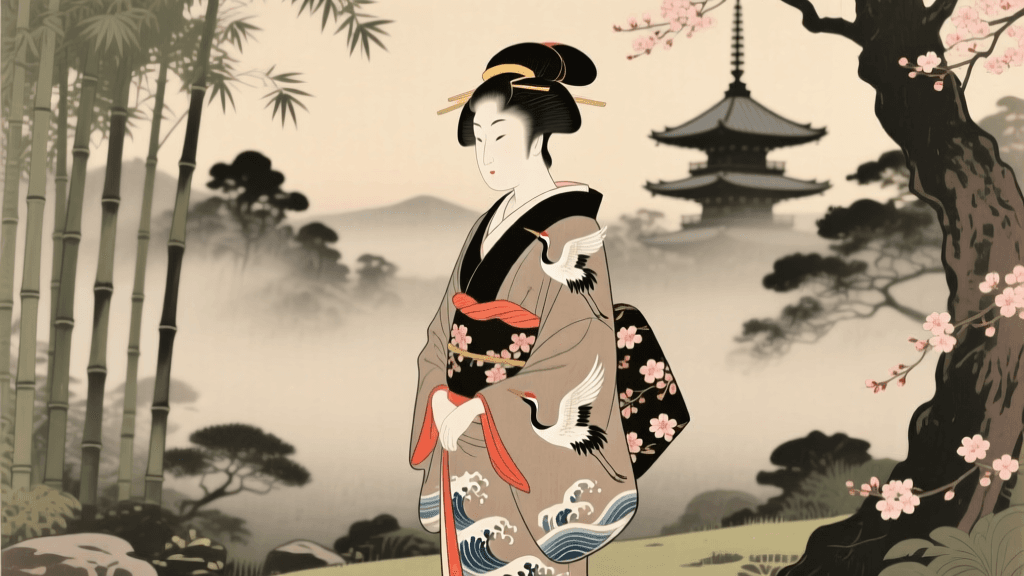
When we think of ukiyo-e, the mind often drifts to Hokusai’s towering waves or Hiroshige’s atmospheric landscapes. However, the roots of the 'pictures of the floating world' are deeply intertwined with the bustling urban centers of Edo (modern-day Tokyo), Kyoto, and Osaka, where fashion was not merely a matter of clothing, but a highly codified language of status, wealth, and aesthetic sensibility. Within the pleasure quarters, particularly the famous Yoshiwara district, woodblock prints served as the fashion magazines of their day, disseminating the latest sartorial trends to the merchant classes who possessed the wealth to emulate the elite.
The highest-ranking courtesans, known as oiran, were the undisputed trendsetters of the Edo period. Their elaborate, multi-layered kimono ensembles were depicted with painstaking detail by ukiyo-e masters. According to the comprehensive overview provided by The Metropolitan Museum of Art's Heilbrunn Timeline, these prints were instrumental in creating a shared visual culture that transcended geographic boundaries, allowing a woman in Osaka to study and replicate the exact textile patterns worn by a famous courtesan in Edo.
Decoding Edo-Period Fashion Trends Through Woodblocks
The Evolution of the Kosode and Obi
The foundation of the garment depicted in these prints is the kosode (literally 'small sleeve'). Originally an undergarment worn by the aristocracy during the Heian period, the kosode evolved into the primary outer garment for both men and women by the Muromachi period, eventually blossoming into the canvas for extraordinary artistic expression during the Edo period. As detailed in the Met Museum's essay on the Kosode, the garment's transformation was marked by a shift from subtle, woven patterns to bold, surface-level decorations achieved through advanced dyeing and embroidery techniques.
Ukiyo-e artists had to master the translation of three-dimensional textile techniques into two-dimensional woodblock prints. They utilized specialized carving and printing methods to mimic the luxurious textures of silk. For instance, the shibori (tie-dye) technique was replicated using delicate, dotted lines carved into the woodblock, while suri-karakami (the application of mica dust) was used to give the printed kimono a shimmering, iridescent quality that caught the light much like real silk damask.
Pattern Symbolism and Seasonal Awareness
The motifs adorning the kimono in ukiyo-e were never arbitrary; they were deeply embedded in the Japanese consciousness of seasonality (shun) and poetic allusion. A print depicting a woman wearing a kimono adorned with flowing water and cherry blossoms immediately signaled the spring season and the fleeting nature of beauty (mono no aware). Conversely, motifs of pine, bamboo, and plum blossoms (shochikubai) conveyed wishes for longevity and resilience, often worn during New Year celebrations. Collectors and art historians use these botanical and geometric motifs to not only date the prints but also to understand the cultural zeitgeist of the era.
Master Artists and Their Signature Kimono Aesthetics
Different ukiyo-e schools and masters approached the depiction of textiles with distinct stylistic signatures. Understanding these nuances is crucial for identifying the provenance and artistic intent behind a print.
| Master Artist | Active Era | Signature Kimono Aesthetic | Notable Subject Matter |
|---|---|---|---|
| Kitagawa Utamaro | Late 18th Century | Sheer, translucent fabrics; intricate botanical motifs; subtle color gradations (bokashi). | High-ranking courtesans and beauties of the Yoshiwara district. |
| Suzuki Harunobu | Mid-18th Century | Delicate, slender silhouettes; pastel hues; emphasis on poetic, romanticized garments. | Young lovers and idealized, ethereal women in domestic settings. |
| Utagawa Hiroshige | Mid-19th Century | Bold geometric patterns; practical, travel-ready garments; striking use of Prussian blue. | Women in transit, tea house waitresses, and provincial fashion. |
| Toshusai Sharaku | Late 18th Century | Exaggerated, heavy textile folds; stark contrasts; dramatic, theatrical kimono layering. | Kabuki actors in elaborate, stage-specific kimono and uchikake robes. |
The Chemistry of Color: Botanical Dyes in Print
The vibrant hues seen in ukiyo-e kimono prints were derived from the same botanical and mineral sources used by actual textile dyers. The deep, rich blues that define the backgrounds of many early prints were achieved using aigami, an extract from the dayflower (tsuyukusa), which was highly sensitive to light and water. The iconic Prussian blue (bero-ai), introduced in the 1820s, revolutionized both printmaking and textile dyeing, allowing for the striking, fade-resistant indigo tones seen in the later works of Hokusai and Hiroshige. Understanding the chemical timeline of these pigments provides collectors with another vital tool for authenticating and dating prints based on the colors of the depicted garments.
Practical Guide: Identifying and Dating Ukiyo-e Kimono Prints
For collectors, curators, and enthusiasts, analyzing the garments within a woodblock print offers highly actionable data for authentication and dating. When examining a piece, focus on the following structural and historical markers:
- Obi Width and Placement: In the early Edo period (prior to 1750), the obi was a narrow, cord-like sash tied at the front of the body. As the sleeves of the kimono grew longer and the desire for more elaborate displays of wealth increased, the obi widened dramatically. By the late 18th century, the maru obi—a wide, heavily brocaded sash—became the standard, and the knot was moved to the back. Identifying the width and placement of the obi is one of the most reliable methods for establishing a baseline date for the artwork.
- Sleeve Length (Furisode): The length of the swinging sleeve (furisode) is a critical indicator of the subject's age and marital status, as well as the specific decade the print was created. During the Genroku era (1688–1704), sleeve lengths for unmarried women began to drop dramatically, sometimes reaching the ankles. Ukiyo-e artists exaggerated these proportions to emphasize the youth and desirability of their subjects.
- Censor Seals (Kiwame): To ensure compliance with the Tokugawa shogunate's strict sumptuary laws—which frequently banned ostentatious displays of wealth, specific colors, or lavish embroidery—prints had to be approved by censors. The shape, color, and text of these kiwame seals changed frequently. Cross-referencing the censor seal with the depicted kimono patterns allows experts to pinpoint the exact year a print was published, providing a precise timestamp for the fashion trends it illustrates.
- Sumptuary Subversion: When the government banned expensive tie-dyed kanoko shibori, the merchant class found ingenious ways to subvert the rules. Wealthy women would wear kimonos of plain, muted colors on the outside, but line the inner layers with outrageously expensive, forbidden patterns. Artists brilliantly captured this subtle subversion by painting the inner collars and hems of their subjects, revealing flashes of forbidden luxury. Spotting these hidden linings can help identify prints aimed at a wealthy, subversive merchant audience.
Where to View Authentic Ukiyo-e Kimono Collections
For those seeking to study these masterpieces in person or through high-resolution digital archives, several global institutions hold unparalleled collections. The Victoria and Albert Museum in London has extensively documented the transition of the kimono from Edo-period woodblock depictions to global fashion phenomena, offering incredible insights into how 2D art influenced 3D textile creation. Additionally, the Tokyo National Museum and the Boston Museum of Fine Arts house thousands of pristine ukiyo-e prints where the vibrancy of the original vegetable dyes remains remarkably intact.
Conclusion
Studying kimono in ukiyo-e is not merely an exercise in art appreciation; it is a profound anthropological study of Japanese society, economics, and aesthetics. The woodblock print served as a mirror to the Floating World, capturing the relentless pursuit of beauty and the ingenious ways in which the people of the Edo period navigated the strictures of their society through the universal language of fashion. By learning to decode the sleeves, sashes, and patterns of these historic garments, modern enthusiasts can unlock the vibrant, rebellious, and deeply poetic world of historical Japanese dress.