DIY Kimono Upcycling: Turn Vintage Silk Into Modern Decor
The Philosophy of Mottainai and Textile Preservation
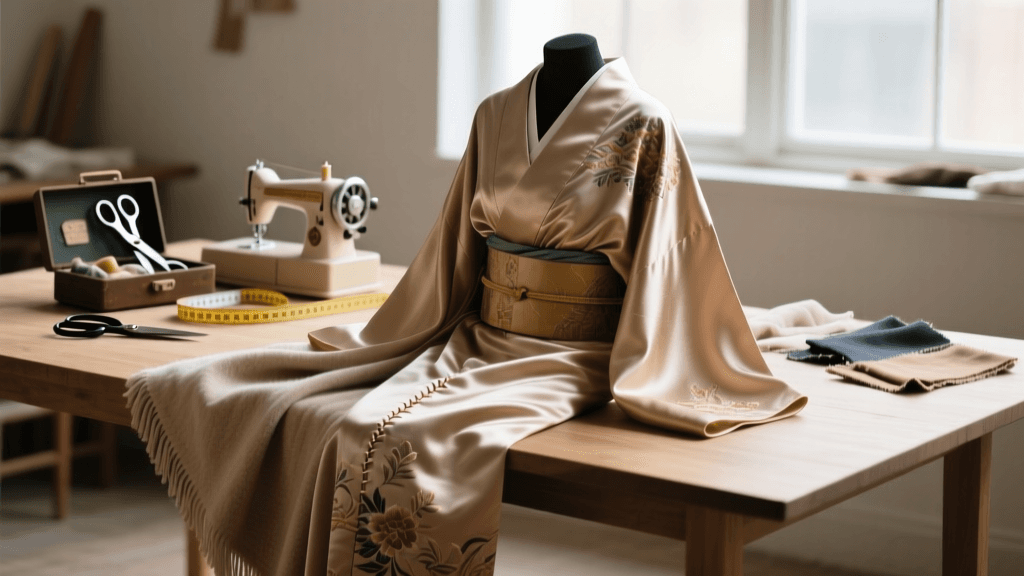
The Japanese concept of mottainai translates loosely to 'what a waste' or 'too good to waste.' It is a profound sense of regret concerning waste when the intrinsic value of an object is not fully utilized. In the realm of traditional Japanese clothing, this philosophy is woven into the very structure of the garment. Unlike Western tailoring, which cuts fabric into curved, irreversible shapes, the traditional kimono is constructed from a single, straight-cut bolt of fabric known as a tanmono. According to the Metropolitan Museum of Art, this zero-waste design means that a kimono can be easily disassembled, cleaned, re-dyed, and sewn back together, or repurposed entirely when it becomes worn.
For the modern DIY enthusiast and sustainable fashion advocate, upcycling vintage kimonos is a way to honor this heritage. By transforming these exquisite, hand-dyed textiles into modern home decor and accessories, we extend the life of the silk and keep traditional Japanese dyeing arts like yuzen and shibori visible in our daily lives.
Sourcing and Identifying Vintage Silk
Before you begin cutting, it is vital to understand the types of silk you might encounter in vintage markets, online auctions, or estate sales. Expect to pay anywhere from $15 to $80 for a vintage silk kimono, depending on the condition and the intricacy of the dye work. When shopping online, look for listings that specifically mention 'vintage silk', 'hand-dyed', or 'Showa era' to ensure you are getting authentic, high-quality textiles rather than modern synthetic blends. Always check the photos for the characteristic sheen of silk and the slight irregularities that indicate handcrafted dyeing.
- Chirimen (Crepe Silk): Recognizable by its pebbled, textured surface. It drapes beautifully but can be slippery to sew. Excellent for cushion covers and flowing accessories.
- Rinzu (Damask Silk): A glossy, smooth silk with woven Jacquard patterns. It is luxurious and catches the light, making it ideal for framed art or elegant tote bags.
- Meisen (Ikat Silk): Popular in the 1920s and 1930s, Meisen features bold, geometric, or slightly blurred patterns. It is generally thicker and more durable, making it perfect for heavy-use items like bags or upholstery.
- Tsumugi (Pongee): Woven from spun silk threads, it has a matte, nubby texture similar to raw silk or linen. It is highly durable and easier for beginners to handle.
Preparation: Deconstructing the Tanmono
Never cut a kimono while it is fully assembled. The first step in any upcycling project is deconstruction. Using a high-quality seam ripper, carefully undo the long basting stitches that hold the panels together. You will typically yield several long, narrow rectangles (about 14 inches wide) and smaller pieces from the sleeves (sode) and collars (eri). Once deconstructed, gently press the silk using a low-heat iron and a cotton pressing cloth to remove the original fold lines. Do not use steam, as water can spot vintage silk dyes.
Essential Tools for Sewing Silk
Sewing with vintage silk requires specialized tools to prevent snagging and puckering.
- Microtex/Sharp Needles: Use size 60/8 or 70/10. Standard universal needles will leave visible holes and can snag delicate fibers.
- Silk Pins: Extra-fine glass-head pins that glide through the fabric without catching.
- Rotary Cutter and Mat: Essential for achieving perfectly straight edges on slippery silk.
- Fusible Tricot Interfacing: Silk lacks structural integrity. Fusing a lightweight knit interfacing to the wrong side of the silk is mandatory for projects like bags or structured pillows.
- 100% Silk or Polyester Thread: Avoid cotton thread, which can be too abrasive and cause the silk to tear along the seam lines over time.
Project 1: 18-Inch Silk Cushion Covers
Transforming the back panels or large sleeve panels of a kimono into luxurious throw pillows is one of the most rewarding beginner projects.
Measurements and Cutting
For a standard 18x18 inch pillow insert, you will need to cut two squares of silk measuring 19x19 inches to allow for a 1/2-inch seam allowance. If your kimono panel is only 14 inches wide, you can piece together two complementary panels using a French seam to enclose the raw edges neatly.
Construction
Place the right sides together and pin securely. Sew around three sides with a 1/2-inch seam allowance. For the fourth side, create an envelope closure by cutting two overlapping back panels (each 13x19 inches), hemming the overlapping edges, and layering them over the front panel before sewing the final perimeter. Turn right side out, press gently, and insert the pillow form.
Project 2: The Lined Silk Tote Bag
A kimono tote bag is a stunning conversation piece, but silk requires reinforcement to carry daily essentials. When selecting your kimono for a tote bag, pay close attention to the placement of the motifs. Kimono designs are often asymmetrical, with the most dramatic patterns located on the lower back or the left shoulder. Plan your cutting layout carefully to ensure the most beautiful section of the dye work is centered on the front of your finished bag.
Materials
- Two 16x18 inch rectangles of kimono silk (front and back)
- Two 16x18 inch rectangles of lightweight fusible interfacing
- Two 22-inch leather or cotton webbing straps
- Interior lining fabric (cotton or linen)
Step-by-Step Assembly
First, fuse the interfacing to the wrong side of your silk panels following the manufacturer's heat instructions. This step is crucial; without it, the weight of your items will distort and eventually tear the vintage silk. Sew the side and bottom seams using a 1/2-inch allowance, reinforcing the corners with a box stitch (sewing a small square with an X inside at each bottom corner) to create a 3-inch gusset. Assemble the lining similarly, leaving a gap for turning. Attach the straps to the silk outer, place the lining inside (right sides together), sew around the top edge, turn right side out through the gap, and topstitch the rim.
Project 3: Framed Obi Sash Art
The obi (sash) is often the most expensive and heavily decorated part of the kimono ensemble. Vintage maru or fukuro obi feature exquisite metallic gold and silver embroidery. However, they are often too stiff, heavy, or damaged to be worn or sewn into bags. The Smithsonian Magazine highlights the complex, centuries-old dyeing and weaving techniques that make these textiles museum-worthy. Framing a 24x36 inch section of a stunning obi in a shadowbox frame with UV-protective glass turns a damaged garment into a breathtaking piece of wall art. Use rust-proof pins to secure the textile to an acid-free foam core backing—never use glue or staples on vintage silk.
Upcycling Project Comparison Chart
| Project Type | Estimated Time | Material Cost | Difficulty Level | Best Silk Type |
|---|---|---|---|---|
| 18-Inch Cushion Cover | 2 - 3 Hours | $15 - $30 | Beginner | Chirimen, Tsumugi |
| Lined Tote Bag | 5 - 7 Hours | $35 - $60 | Intermediate | Meisen, Rinzu |
| Framed Obi Art | 1 - 2 Hours | $50 - $120 | Beginner (No Sewing) | Brocade, Nishijin-ori |
Caring for Your Upcycled Silk Creations
Proper care ensures your upcycled items last for generations. Keep silk home decor out of direct, harsh sunlight, as UV rays will rapidly degrade the natural protein fibers and fade the delicate natural dyes. For cushion covers, always remove the silk cover from the insert before spot cleaning with a pH-neutral textile detergent. Never machine wash or wring vintage silk, as the friction will cause the fibers to break and the colors to bleed. If your silk cushion cover or bag becomes heavily soiled, it is highly recommended to take it to a professional dry cleaner who has specific experience handling delicate, vintage textiles and traditional dyes. Communicate clearly that the item is made from repurposed kimono silk, as some modern dry-cleaning solvents can be too harsh for older, natural dye compounds. For tote bags, avoid carrying sharp objects or excessive weight that could stress the seams. By treating these repurposed garments with respect, you actively participate in the ongoing story of Japanese textile artistry, ensuring that the beauty of the kimono continues to inspire in modern, sustainable ways.