Japanese Festival Costumes: Happi, Yukata, and Matsuri Gear
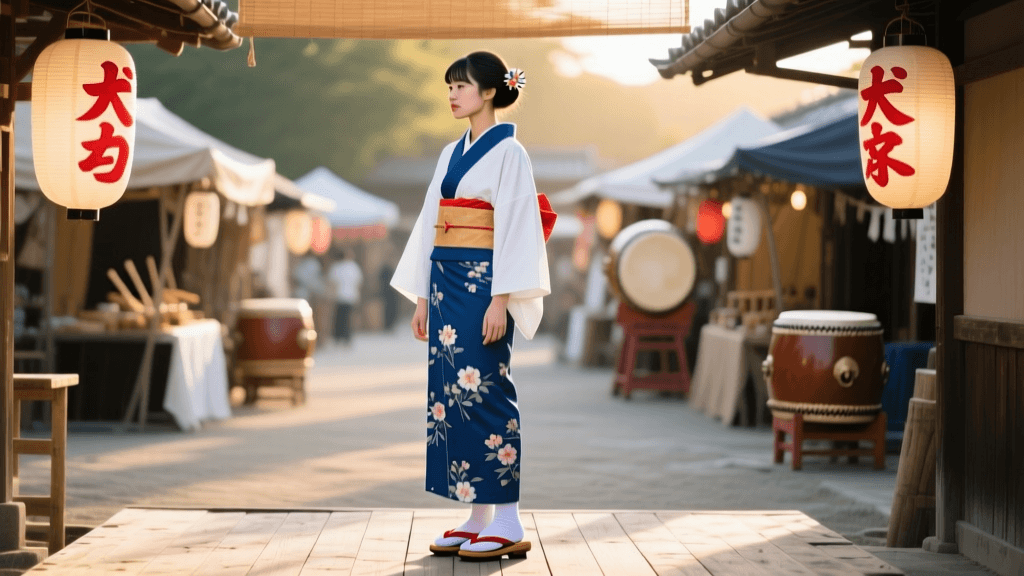
The Heartbeat of Matsuri: Understanding Japanese Festival Attire
Japanese summer festivals, known as matsuri, are a spectacular display of community spirit, rhythmic performances, and deep-rooted Shinto traditions. Whether you are participating in the hypnotic circle dances of Bon Odori, hoisting a heavy wooden mikoshi (portable shrine) through the streets, or striking the thunderous taiko drums, the right performance costume is absolutely essential. Unlike formal kimono, which restrict movement and require meticulous dressing, Japanese festival attire prioritizes breathability, mobility, and vibrant community identity. According to the Japan National Tourism Organization, matsuri are deeply tied to local shrines and seasonal changes, making the garments worn during these events a living, breathing extension of Japanese cultural heritage.
The Happi Coat: The Ultimate Festival Performance Garment
The happi coat is the undisputed king of matsuri fashion. Originally worn as a lightweight indoor garment by samurai and later adopted by merchants, artisans, and firefighters during the Edo period (1603–1867), the happi has evolved into the quintessential festival uniform. Characterized by its straight sleeves, open front, and bold kanji motifs on the back, the happi is designed to be worn over a bare chest or a lightweight undershirt during strenuous summer activities. The kanji printed on the back often represent the local shrine, the neighborhood association (chokai), or auspicious words like 'matsuri' (festival) or 'kami' (god). High-quality happi feature a mitsu-ura (triple-layered lining) along the collar and hem to add weight and durability, ensuring the garment drapes properly even when soaked in sweat.
Sizing, Fit, and Practical Buying Guide
When purchasing a happi for a performance, getting the correct fit is crucial for unrestricted arm movement, especially for taiko drummers and mikoshi bearers. Japanese garment sizing relies heavily on two measurements: shitake (back length from the base of the neck to the hem) and yuki (shoulder width plus sleeve length). A properly fitted happi should hit just above the hips, allowing for deep squats and wide stances without the hem catching on your legs or obi.
| Size | Back Length (Shitake) | Shoulder/Sleeve (Yuki) | Recommended Height | Average Cost (USD) |
|---|---|---|---|---|
| S | 75 cm (29.5 in) | 70 cm (27.5 in) | Under 160 cm (5'3") | $35 - $50 |
| M | 80 cm (31.5 in) | 76 cm (30 in) | 160 - 170 cm (5'7") | $40 - $60 |
| L | 85 cm (33.5 in) | 82 cm (32.5 in) | 170 - 180 cm (5'11") | $45 - $75 |
| LL | 90 cm (35.5 in) | 88 cm (34.5 in) | Over 180 cm (5'11"+) | $55 - $90 |
Yukata for Bon Odori: Movement, Fabric, and Styling
For Bon Odori—the traditional folk dances performed during the Obon season to honor ancestral spirits—the yukata is the garment of choice. As noted by cultural experts at Japan Guide, the yukata translates literally to 'bathing cloth' and originated as a simple cotton robe worn after bathing. Today, it is the standard informal summer kimono. However, performing in a yukata requires specific considerations that differ vastly from casual tourist wear.
Choosing the Right Fabric for Summer Performances
While modern, mass-produced yukata are often made from easy-care polyester, performers engaging in vigorous outdoor dancing should strictly seek out 100% cotton (men) or cotton-linen blends. Polyester traps heat and sweat, which can lead to severe discomfort and skin irritation during a two-hour outdoor performance under humid Japanese summer conditions. Look for cotton with a tight weave, such as chijimi (crepe), which features a textured surface that prevents the fabric from clinging to sweaty skin and allows for maximum airflow.
The Hanhaba Obi and Performance Knots
To ensure maximum mobility, performers should avoid the stiff, formal fukuro obi. Instead, opt for a hanhaba obi (half-width obi), which is typically 15 cm wide and made from soft, pliable cotton or polyester. The most practical knot for festival dancing is the bunko musubi (butterfly knot) or a simple taiko musubi secured tightly with an obi-jime (decorative cord) and an obi-ita (stiffening board) to keep the front smooth. Furthermore, wearing a lightweight, breathable hadajuban (skin undergarment) and using koshi-himo (cotton waist ties) instead of elastic belts will prevent the yukata from shifting during dynamic choreography, keeping your silhouette neat from the first dance to the final bow.
Essential Matsuri Accessories: Hachimaki, Tabi, and Tenugui
- Hachimaki (Headband): A twisted cotton headband worn to keep sweat out of the eyes and symbolize perseverance. For heavy lifting like mikoshi carrying, tie it using the kaze knot at the front or side to ensure it does not slip during vigorous head movements.
- Tabi and Jika-tabi: Standard white cotton tabi (split-toe socks) are worn with yukata and zori sandals. However, if you are carrying a mikoshi or performing on uneven terrain, you must wear jika-tabi—split-toe boots with rubber soles that provide essential ankle support, toe grip, and shock absorption.
- Tenugui (Hand Towel): A versatile rectangular cotton cloth. Performers often tie it around the neck to absorb sweat, wrap it around the head under a straw hat, or use it to wipe down wooden instruments, taiko drum rims, and shrine poles.
Practical Guide: Timing, Preparation, and Care
If you are planning to participate in a Japanese festival performance, timing your purchases is critical. The peak season for matsuri runs from mid-July to late August. Retailers and specialized online shops (such as Iseya or Chikusen) often sell out of popular sizes and authentic indigo-dyed happi by early June. Actionable advice: Order your garments by May 1st to allow time for sizing exchanges and the necessary pre-washing of indigo garments.
Speaking of indigo (aizome), authentic naturally dyed happi coats will bleed excess dye during their first few washes. You must hand-wash them separately in cold water with a pH-neutral detergent before wearing them to a festival, otherwise, the sweat and humidity will cause the blue dye to stain your skin and underlying garments permanently.
'The garments worn at matsuri are not merely costumes; they are the armor of the community. When a neighborhood puts on their matching happi, individual identities dissolve into a single, unified spirit dedicated to the gods and the ancestors.' — Traditional Matsuri Proverb
Conclusion
Participating in a Japanese festival is a profound cultural experience that demands respect for the traditions and practicalities of the attire. By selecting the correct happi sizing, opting for breathable cotton yukata, and utilizing performance-grade accessories like hachimaki and jika-tabi, you ensure that your focus remains on the rhythm of the taiko and the joy of the dance. For comprehensive festival schedules, regional attire variations, and travel planning, the Japan Guide Festival Calendar remains an indispensable resource for performers and cultural enthusiasts alike.