Modern Kimono Styling: Blend Tradition With Contemporary Fashion
The Evolution of Kimono in Contemporary Fashion
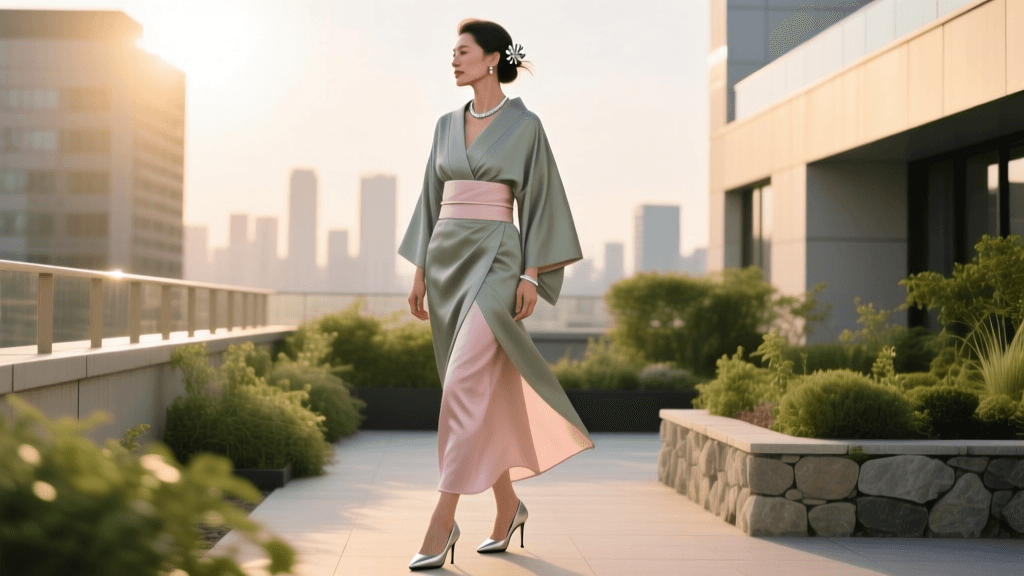
The kimono is often misunderstood as a static relic of Japan's past, reserved strictly for tea ceremonies, coming-of-age days, or traditional weddings. However, the reality of Japanese fashion history is far more dynamic. The kimono has always been a canvas for personal expression, evolving with trade, technology, and shifting social norms. Today, a new wave of fashion enthusiasts, designers, and cultural ambassadors are reclaiming the kimono, styling it for modern occasions such as art gallery openings, upscale dinners, fashion weeks, and contemporary weddings. By blending traditional craftsmanship with modern silhouettes and accessories, the kimono transitions seamlessly from a historical artifact to a striking piece of contemporary statement fashion.
As highlighted by the Victoria and Albert Museum's 'Kimono: Kyoto to Catwalk' exhibition, the garment has continuously influenced and been influenced by global fashion trends. From the Art Deco patterns of the Taisho era to the avant-garde runways of modern Paris, the kimono's T-shaped silhouette offers a unique architectural foundation for contemporary styling. Whether you are attending a high-end gala in New York, a boutique gallery showing in Tokyo, or a modern outdoor wedding, understanding how to adapt the kimono for today's events is an art form that balances respect for tradition with bold, modern creativity.
Choosing the Right Kimono for Modern Events
Navigating the formality levels of kimono can be daunting, but modern styling allows for a relaxed interpretation of historical rules. According to the Kyoto City Official Travel Guide, understanding the subtle rules of formality and fabric types is essential for selecting the appropriate garment. However, contemporary fashion encourages mixing and matching to suit the vibe of a modern event. Below is a guide to pairing traditional kimono types with modern occasions.
| Modern Occasion | Recommended Kimono Type | Fabric and Pattern | Contemporary Styling Tip |
|---|---|---|---|
| Art Gallery Opening | Komon or Edo Komon | Silk with micro-patterns or subtle geometric prints | Pair with a sleek, solid-color modern obi and minimalist leather ankle boots. |
| Upscale Dinner Date | Tsumugi (Pongee) | Slubbed silk, earthy tones, woven patterns | Layer over a fine merino turtleneck in winter; use a vintage brooch as an obidome. |
| Wedding Guest | Houmongi or Tsukesage | Crepe silk with flowing, elegant dyed motifs | Opt for a metallic or sheer organza obi to add a modern, ethereal touch to the traditional elegance. |
| Fashion Week / Night Out | Vintage Meisen | Bold, graphic, Art Deco-inspired ikat silk | Wear with a corset belt over the obi, or style open like a duster coat over a slip dress. |
The Footwear Crossover: Beyond Zori and Tabi
Perhaps the most striking evolution in modern kimono styling is the departure from traditional footwear. While white tabi socks paired with straw or leather zori sandals remain the gold standard for formal events like weddings, contemporary street style and evening events have embraced a radical footwear crossover. The juxtaposition of the delicate, flowing hem of a silk kimono against the structured, heavy aesthetic of modern footwear creates a visually arresting silhouette.
Boots and the Kimono
Leather ankle boots, particularly Chelsea boots or lace-up combat styles like Dr. Martens, have become a staple in the modern kimono wardrobe. The key to pulling off this look is managing the hemline. The kimono should be worn slightly shorter than traditional ankle-grazing lengths, allowing the boots to be fully visible and preventing the silk from dragging on wet or dirty city streets. For a refined evening look, sleek, pointed-toe heeled booties in velvet or patent leather complement the elegance of a Houmongi kimono without sacrificing modern edge.
Sneakers and Mary Janes
For daytime events, museum visits, or casual gallery tours, pairing a cotton or casual silk Komon with high-end, minimalist sneakers or chunky Mary Jane shoes is highly popular. This approach not only provides the comfort needed for navigating modern urban environments but also signals a deliberate, fashion-forward approach to traditional dress. When skipping traditional tabi, opt for sheer black or patterned tights, or hidden ankle socks that maintain a clean line between the kimono hem and the shoe.
Modern Accessorizing: Obi, Obijime, and Jewelry
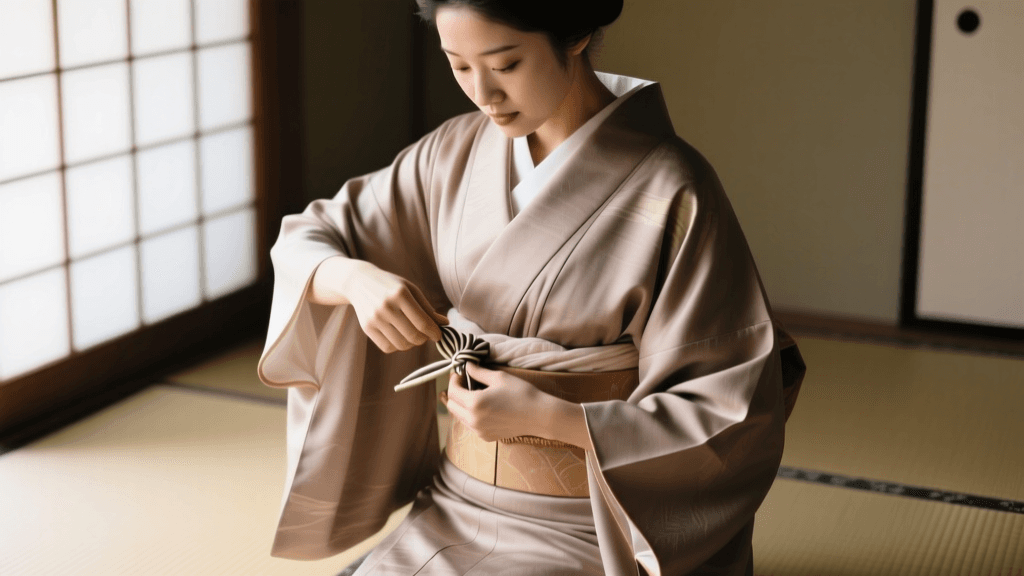
The obi (sash) is the centerpiece of any kimono ensemble, but modern styling reimagines how it is tied and accessorized. While the traditional taiko musubi (drum knot) or otaiko remains standard for formal wear, modern stylists often utilize vintage, narrower obi (around 15 to 20 centimeters wide) tied in simple, structural knots that mimic contemporary belt styles. Some avant-garde stylists even repurpose heavily embroidered vintage maru obi as wrap skirts or table runners, though wearing them as a statement belt over a solid-colored modern kimono is a popular gala look.
The obijime (decorative cord) and obidome (brooch) offer prime real estate for personalization. Instead of traditional coral or jade beads, modern enthusiasts are integrating vintage European glass brooches, contemporary acrylic art pieces, or even upcycled watch faces as obidome. This small detail acts as a conversation starter and bridges the gap between Japanese heritage and global vintage fashion.
Furthermore, Western jewelry is now widely accepted in modern kimono styling. Delicate gold ear cuffs, layered pearl necklaces resting against the han-eri (half-collar), and stackable metallic rings provide a contemporary shimmer that contrasts beautifully with the matte finish of traditional chirimen (crepe) silk. Fashion critics at The Japan Times have frequently noted how contemporary designers and influencers use these metallic accents to update the kimono for the modern red carpet.
The Art of Layering: Contemporary Kasane
Historically, kasane (layering) was a highly regulated practice used to denote seasonality, rank, and wealth, with multiple silk layers peeking out at the collar and sleeves. Today, layering is used to integrate the kimono into a modern, climate-controlled wardrobe while adding textural depth. For winter galas or autumn gallery openings, styling a kimono with modern outerwear is a masterclass in contemporary fashion.
A tailored, oversized wool blazer worn over the shoulders, or a sleek leather moto jacket paired with a vintage Meisen kimono, creates a striking blend of tough and tender aesthetics. Alternatively, sheer organza dusters or modern trench coats can be worn over the kimono, allowing the intricate Yuzen dye patterns to remain visible while providing a modern, structural silhouette. The key to successful modern layering is ensuring that the outerwear complements rather than overwhelms the kimono's collar and obi line.
Hair, Makeup, and Beauty Integration
Traditional kimono styling often dictates severe, heavily hairsprayed updos adorned with large kanzashi (hair ornaments). For modern occasions, the beauty approach has shifted toward minimalism and effortless elegance. A sleek, low chignon, a modern shag cut left down, or a simple, polished bob allows the focus to remain on the garment's collar and the wearer's face. Hair accessories are scaled down to delicate gold hairpins, velvet ribbons, or single, fresh seasonal flowers tucked behind the ear.
Makeup follows a similar contemporary trajectory. While the traditional red lip remains a powerful choice for evening wear, modern kimono styling often features dewy, glowing skin, soft contouring, and muted, earthy eyeshadows. This modern beauty aesthetic prevents the overall look from feeling like a costume, grounding the historical garment firmly in the present day.
Sourcing and Sustainability: The Vintage Advantage
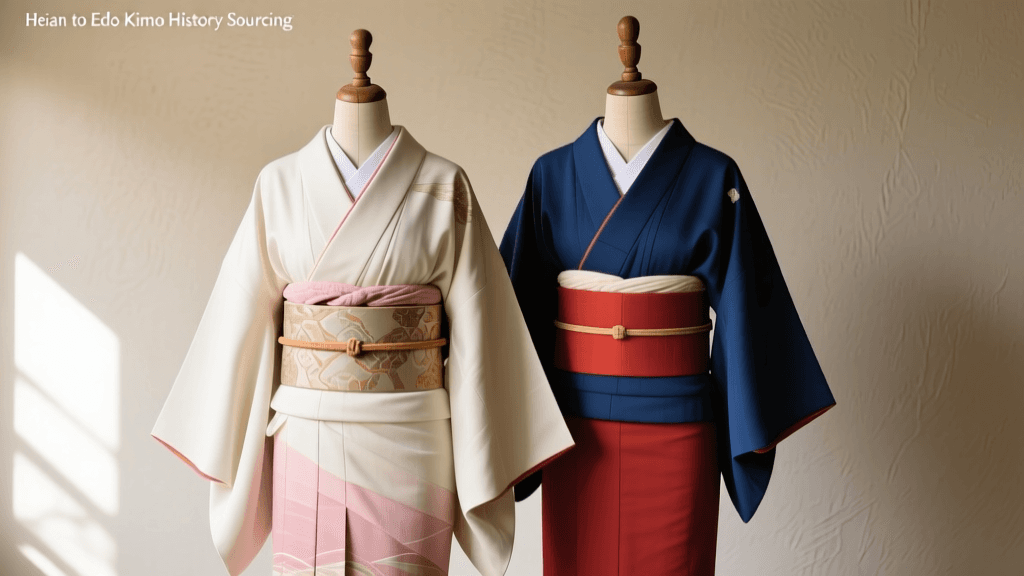
One of the most compelling aspects of modern kimono fashion is its inherent sustainability. The kimono is traditionally cut from a single bolt of fabric (tanmono) using straight lines, meaning it can be entirely unpicked, cleaned, and re-sewn without fabric waste. For modern consumers, sourcing vintage kimono from Japanese recycle shops, online auctions, or specialized global vintage dealers is not only an eco-friendly choice but also a way to acquire high-quality, hand-dyed silks at a fraction of the cost of new, artisan-crafted garments.
When buying vintage for modern events, look for Taisho and early Showa era Meisen silks. These garments feature bold, graphic patterns that look remarkably modern and pair exceptionally well with contemporary accessories. For those who prefer not to buy, high-end rental boutiques in major cities now offer curated, modern-styled kimono packages, complete with contemporary obi and boot pairings, making it accessible for tourists and locals alike to participate in this evolving fashion tradition. By embracing the kimono as a living, breathing element of modern style, we ensure its survival and relevance for generations to come.