The Modern Qipao: Tailoring, Styling, and Trend Guide
The Evolution of the Cheongsam: From 1920s Shanghai to Today
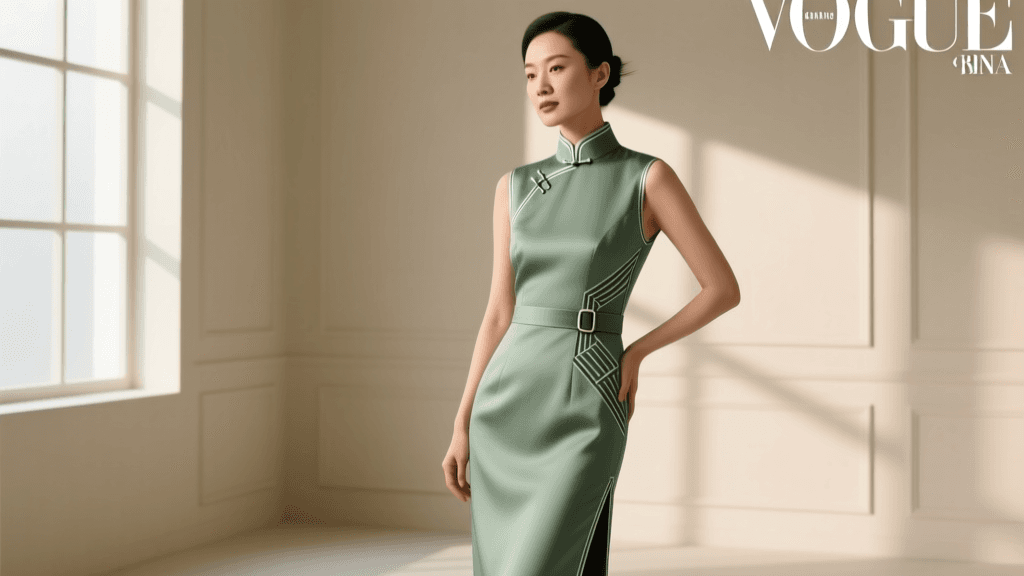
The qipao, also widely known as the cheongsam, is arguably the most globally recognized garment in Chinese sartorial history. While its origins trace back to the loose-fitting, modest robes worn by Manchu women during the Qing Dynasty, the garment we recognize today was born in the cosmopolitan crucible of 1920s Shanghai. Influenced by Western tailoring and the burgeoning feminist movement, the modern qipao emerged as a symbol of female emancipation, featuring a form-fitting silhouette, high mandarin collar, and daring side slits.
According to fashion historians at the Victoria and Albert Museum, the 1930s and 1940s represented the golden era of the qipao, characterized by art deco textiles, calf-length hems, and the integration of Western darts to accentuate the natural curves of the body. After a period of decline in the mid-to-late 20th century, the garment experienced a massive cinematic revival in the year 2000, thanks to Maggie Cheung’s iconic wardrobe in Wong Kar-wai’s film In the Mood for Love.
Today, the qipao is experiencing a renaissance driven by Gen Z and the 'Xin Zhongshi' (New Chinese Style) movement. No longer confined to weddings, Lunar New Year celebrations, or restaurant hostess uniforms, the modern cheongsam is being reimagined as everyday streetwear, office attire, and high-fashion statement pieces.
Decoding the Modern Qipao: Key Variations
When shopping for or commissioning a qipao, it is essential to understand the different structural variations available. The modern market offers a spectrum of styles that balance historical accuracy with contemporary comfort.
| Style Category | Silhouette & Fit | Collar & Slit Details | Best Occasion | Est. Bespoke Cost (USD) |
|---|---|---|---|---|
| Traditional (1930s Revival) | Columnar, bias-cut, moderate ease | Stiff high collar, knee-high double slits | Formal events, galas, heritage ceremonies | $600 - $1,500+ |
| Modified A-Line (Gailiang) | Fitted bodice, flared skirt, relaxed hips | Softer collar, moderate side slits | Office wear, daytime weddings, dinners | $250 - $600 |
| Xin Zhongshi (New Chinese) | Oversized, cropped, or deconstructed | Mandarin collar hints, asymmetrical closures | Streetwear, casual outings, fashion events | $150 - $400 (RTW) |
The Tailoring Guide: Measurements for a Perfect Fit
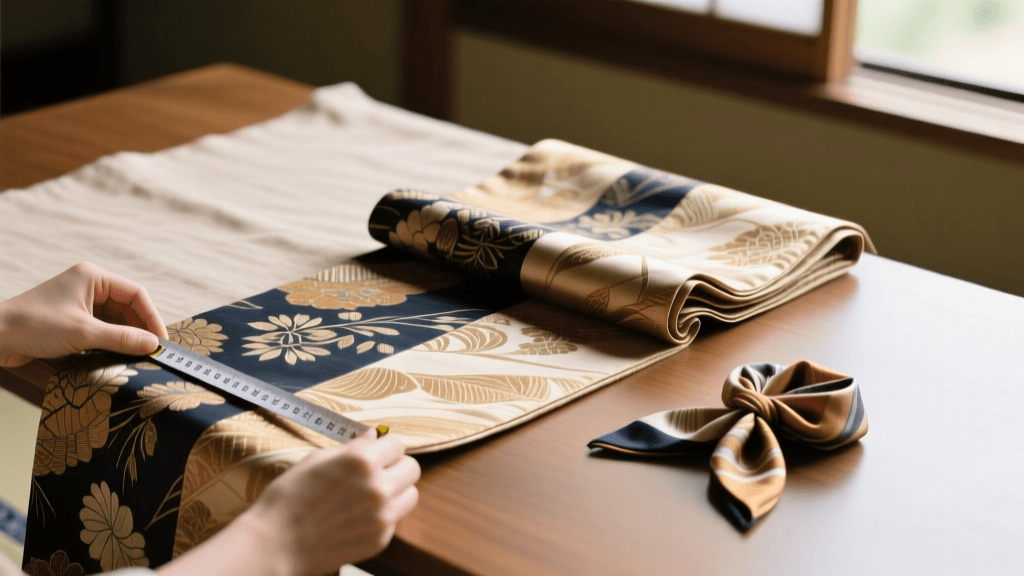
The architecture of a traditional qipao is notoriously unforgiving. Unlike Western garments that rely heavily on stretch or drape, a bespoke qipao relies on precise geometric tailoring, strategic darts, and the manipulation of woven fabrics. If you are commissioning a custom cheongsam—whether from a master tailor in Shanghai's South Bund Fabric Market or an online made-to-measure service—accuracy is paramount.
Crucial Measurements Required
- Bust, Waist, and Hips: Measure at the fullest points. For a traditional 1930s fit, tailors will add 2 to 4 centimeters of 'wearing ease' to allow for breathing and sitting. For modern stretch-silk blends, ease can be reduced to 0 to 1 centimeter.
- Shoulder Width: Measured from the edge of one shoulder bone to the other. A poorly measured shoulder will cause the iconic 'piping' (gunbi) to pucker.
- Hollow-to-Hem: Measured from the hollow of the collarbone down to the desired hemline. Traditional qipaos fall just below the calf, while modern iterations often favor midi or mini lengths.
- Upper Arm Circumference: Crucial for the cap sleeve. Traditional qipao sleeves are cut in one piece with the bodice, meaning a tight armhole can restrict movement entirely.
- Neck Circumference: The mandarin collar (yuanling) must be measured precisely to avoid choking the wearer or gaping at the throat.
As noted in the sartorial archives of The Metropolitan Museum of Art, the introduction of Western bust and waist darts in the 1930s was the pivotal moment that transformed the qipao from a flat, geometric garment into a three-dimensional sculpture that celebrated the female form.
Fabric Selection by Season and Occasion
The choice of textile dictates not only the drape of the qipao but also its seasonality and formality. When selecting fabric, consider the following guidelines:
Spring and Summer
For warmer months, opt for Mulberry Silk in the 16 to 19 momme weight range. This provides a luxurious sheen without being overly heavy. Linen-silk blends and Ramie are excellent for everyday Xin Zhongshi styles, offering breathability and a beautiful, organic slub texture. For the ultimate heritage luxury, seek out Xiangyunsha (Gambiered Canton Gauze), a centuries-old silk dyed with薯莨 (shoulang) yam juice and river mud, resulting in a dark, crinkled, water-resistant fabric that sounds like paper when you walk.
Autumn and Winter
Colder months call for structured, insulating fabrics. Silk Brocade (zhijin) woven with metallic threads is the standard for winter weddings and Lunar New Year. For a modern, fashion-forward approach, consider heavy Silk Velvet or Wool-Cashmere blends, which drape beautifully and provide necessary warmth without the bulk of traditional winter garments.
Modern Styling Rules: Footwear, Outerwear, and Accessories
The most significant barrier to wearing the qipao today is the misconception that it must be styled with traditional updos, jade bangles, and stiletto heels. The modern Xin Zhongshi movement thrives on juxtaposition. According to luxury market analysts at Jing Daily, the blending of traditional Chinese motifs with contemporary streetwear and minimalist aesthetics is one of the fastest-growing segments in Asian fashion.
Footwear
Ditch the pump. To ground a qipao in reality, pair it with chunky leather loafers, minimalist white sneakers (like Common Projects or Maison Margiela Replicas), or strappy Mary Janes with a block heel. This contrast between the formal silhouette and casual footwear makes the garment approachable for daytime wear.
Outerwear
Layering is key to transitioning the qipao into autumn. An oversized, structured blazer worn over a sleeveless or short-sleeved qipao creates a powerful, androgynous silhouette perfect for the office. For evening wear, a cropped leather moto jacket adds an edge of rebellion, echoing the subversive spirit of the 1920s Shanghai socialites who first popularized the garment.
Accessories
While heirloom jade and pearl earrings are timeless, modern styling invites mixed metals, sculptural acrylics, and geometric gold pieces. If your qipao features a busy, ornate brocade, keep jewelry minimal. If you are wearing a solid-colored, minimalist crepe qipao, use accessories as the focal point. A structured, modern mini-bag or a vintage leather satchel works far better than a traditional silk clutch.
Garment Care: Preserving Your Investment
A well-made qipao is an investment that requires meticulous care. Silk and brocade are highly sensitive to water, heat, and friction.
- Cleaning: Never machine wash a silk or brocade qipao. Seek out a dry cleaner who specializes in delicate evening wear and traditional garments. For linen or cotton blend everyday qipaos, gentle hand-washing in cold water with a pH-neutral silk detergent is acceptable.
- Storage: Never hang a heavy brocade qipao on a wire hanger, as the weight of the fabric will distort the shoulder seams. Use wide, padded satin hangers. For long-term storage, fold the garment with acid-free tissue paper to prevent permanent creasing along the darts and slits.
- Sweat and Perfume: Silk is highly susceptible to water spots and chemical degradation from alcohol-based perfumes. Always apply fragrance before dressing, and consider wearing a lightweight, breathable silk slip underneath to protect the inner lining from perspiration.
'The qipao is not a costume frozen in the 1930s; it is a living garment. Its high collar and side slits were once radical statements of modernity, and today, pairing it with sneakers or an oversized blazer continues that exact same tradition of sartorial rebellion.' — Contemporary Asian Fashion Historian
Conclusion
The evolution of the qipao from a symbol of 1920s modernity to a cornerstone of today's Xin Zhongshi movement proves its enduring versatility. By understanding the nuances of bespoke tailoring, selecting the appropriate textiles for the season, and embracing contemporary styling juxtapositions, you can seamlessly integrate the cheongsam into your modern wardrobe. Whether you are navigating the streets of Shanghai, attending a formal gala in New York, or simply enjoying a weekend brunch, the modern qipao remains a profound, elegant, and deeply personal expression of Asian heritage.