Neo-Qipao Styling: Evolution, Tailoring, and Modern Wear Guide
The Historical Arc: From 1920s Shanghai to 2020s Streetwear
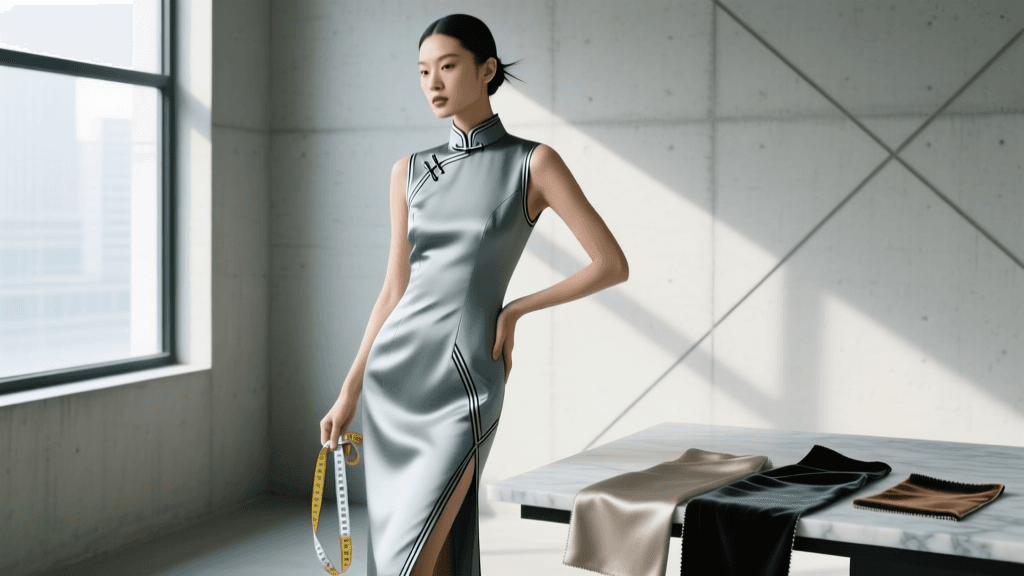
The qipao, also widely known as the cheongsam, is arguably the most recognizable garment in the Chinese sartorial lexicon. Originally a loose, floor-length robe worn by Manchu women during the Qing Dynasty, the garment underwent a radical transformation in the 1920s and 1930s. Influenced by Western tailoring techniques and the feminist movements of the Republic of China era, women in Shanghai began adopting a more form-fitting, abbreviated version of the male changpao. This evolution was immortalized in global fashion history, notably highlighted by The Metropolitan Museum of Art's "China: Through the Looking Glass" exhibition, which showcased the qipao's profound impact on international couture and its role as a symbol of modern Chinese femininity.
Fast forward to the 2020s, and the qipao is experiencing a massive renaissance among Gen Z and millennial consumers, driven by the "Xin Zhongshi" (New Chinese Style) movement. As noted by the South China Morning Post, young consumers are actively deconstructing the traditional cheongsam, blending its iconic elements—such as the mandarin collar, pankou (knotted) buttons, and side slits—with contemporary streetwear, cyberpunk aesthetics, and everyday casual wear. This "Neo-Qipao" subculture rejects the notion that traditional dress must be reserved for weddings or formal banquets, repositioning it as a versatile, daily fashion statement.
Deconstructing the Neo-Qipao: A Feature Comparison
To understand how to style and tailor a modern qipao, it is essential to recognize the structural differences between the vintage silhouettes and contemporary interpretations. The table below outlines the core design shifts.
| Feature | Traditional Qipao (1930s-1960s) | Neo-Qipao / Xin Zhongshi (2020s) |
|---|---|---|
| Silhouette | Form-fitting, tailored darts, zero ease | Relaxed, A-line, oversized, or drop-waist |
| Length | Midi to floor-length | Mini, asymmetrical, or cropped tops |
| Fabric | Silk brocade, velvet, heavy satin | Denim, leather, cotton poplin, tech-wear nylon |
| Slit Height | Moderate (knee to mid-thigh) | Extreme high-thigh or completely omitted |
| Fastenings | Handmade silk pankou knots | Metal snaps, zippers, or oversized hardware |
The Art of Modern Styling: Breaking the Rules
Styling a Neo-Qipao requires a departure from traditional etiquette. The goal is to create visual tension by juxtaposing the garment's historical elegance with rugged, modern, or utilitarian elements. According to Vogue Business, the Xin Zhongshi trend thrives on this exact contrast, merging heritage motifs with global youth culture.
Footwear Pairings
Ditch the traditional silk slippers or delicate stilettos. The most popular footwear choice for a modern qipao is the chunky sneaker. Pairing a floral-print midi qipao with New Balance 990s or Salomon XT-6 trail runners grounds the outfit and makes it suitable for all-day urban exploration. For an edgier, nightlife-appropriate look, combat boots like Dr. Martens or platform Mary Janes add a punk-rock sensibility that contrasts beautifully with delicate silk brocade.
Layering Techniques
The qipao's high mandarin collar makes it an exceptional layering piece. In colder months, wear a fitted, ribbed turtleneck underneath a sleeveless or short-sleeved qipao dress. Alternatively, treat a long-sleeved qipao as a base layer and throw an oversized, distressed leather biker jacket or a boxy wool blazer over it. This breaks up the continuous vertical line of the dress and introduces a masculine-feminine dynamic that is central to modern streetwear.
Gender-Neutral and Oversized Silhouettes
The Neo-Qipao movement is inherently inclusive. Designers are increasingly creating gender-neutral qipao tops and jackets that feature the iconic pankou buttons and side slits but utilize boxy, drop-shoulder cuts. These can be worn over wide-leg cargo pants or pleated hakama-style trousers, offering a fluid, avant-garde silhouette that transcends traditional gendered fashion norms.
The Tailor's Blueprint: Measurements, Fabrics, and Costs
Whether you are commissioning a bespoke piece from a tailor in Shanghai's South Bund Fabric Market or ordering a custom Neo-Qipao online, understanding the mechanics of the fit is crucial.
Essential Measurements for the Modern Fit
Traditional qipao tailoring requires "negative ease" (the garment is smaller than the body to create a skin-tight fit). For a modern, comfortable Neo-Qipao, you must instruct your tailor to add "positive ease."
- Bust, Waist, and Hips: Add 4 to 6 cm of ease to your actual measurements to allow for sitting, eating, and breathing without stressing the side seams.
- Hollow-to-Hem: For a modern midi, measure from the hollow of your collarbone down to mid-calf. For a mini, measure to mid-thigh.
- Slit Placement: The slit should begin exactly where your leg bends when sitting. Measure from your waist down to the top of your kneecap to determine the optimal, modest-yet-functional slit starting point.
- Shoulder Width: For a drop-shoulder streetwear look, extend the shoulder measurement by 3 to 5 cm past your natural shoulder bone.
Fabric Selection: Beyond Silk Brocade
While Xiangyunsha (gambiered silk) and heavy brocades are beautiful, they are impractical for daily streetwear. For a modern wardrobe, opt for:
- Washed Denim: Provides structure, fades beautifully over time, and pairs effortlessly with sneakers.
- Cotton Poplin or Linen: Ideal for summer; offers breathability and a crisp, architectural drape.
- Vegan Leather or PU: Creates a striking, cyberpunk-inspired aesthetic perfect for evening wear.
Cost Breakdown and Sourcing
The cost of acquiring a qipao varies wildly based on the construction method and origin:
- Ready-to-Wear (Fast Fashion/E-commerce): $30 - $90. Brands on Taobao or global sites like AliExpress offer trendy, mass-produced Neo-Qipao tops and dresses. Quality is hit-or-miss, and sizing is strictly standardized.
- Mid-Tier Bespoke (Independent Tailors): $250 - $600. Commissioning a piece from an independent tailor in cities like Shanghai, Hong Kong, or via specialized Etsy boutiques. This includes fabric sourcing, a muslin fitting, and hand-finished pankou knots.
- Haute Couture / Designer: $1,500 - $5,000+. Luxury brands and heritage houses (like Shanghai Tang or independent avant-garde designers) offering museum-quality embroidery, custom-woven silks, and impeccable internal corsetry.
Garment Care: Preserving Modern and Antique Pieces
Caring for a qipao depends entirely on the textile. Modern cotton and denim Neo-Qipao can be machine washed on a gentle, cold cycle and hung to dry. However, if your garment features metallic embroidery, delicate silk, or hand-tied pankou knots, dry cleaning is mandatory. Never hang a heavy silk or beaded qipao on a standard wire hanger; the weight of the garment will distort the shoulder seams and stretch the bias-cut fabric. Instead, store it flat in a breathable cotton garment bag with acid-free tissue paper stuffed in the collar to maintain the mandarin neck's rigid structure.
Conclusion
The evolution of the qipao from a symbol of 1930s Shanghai glamour to a staple of 2020s global streetwear is a testament to the garment's incredible versatility. By understanding its historical roots, mastering modern styling juxtapositions, and tailoring it for contemporary comfort, you can seamlessly integrate the Neo-Qipao into your everyday wardrobe, honoring Asian traditions while pushing the boundaries of modern fashion.