The Ultimate Mens and Gender-Neutral Hanfu Styling Guide
The Resurgence of Masculine and Gender-Fluid Hanfu
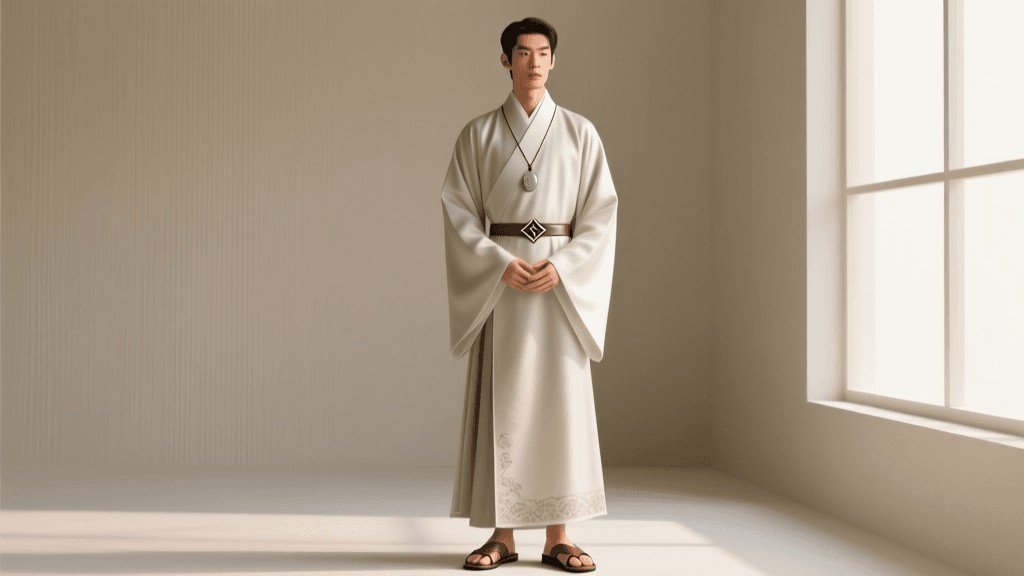
The global hanfu movement has experienced an explosive renaissance over the past decade, evolving from a niche historical reenactment hobby into a mainstream fashion phenomenon. While early revivalist efforts heavily centered on the ethereal, fairy-like aesthetics of womenswear—such as the qixiong ruqun (chest-high skirts) and flowing pastel silks—the market has dramatically matured. Today, masculine and gender-neutral hanfu styling is at the forefront of the movement, driven by a desire for structured elegance, historical authenticity, and modern versatility. According to cultural reporting by BBC Culture, the proliferation of hanfu on platforms like TikTok and Douyin has democratized traditional Chinese clothing, allowing wearers of all genders to experiment with silhouettes that prioritize drape, proportion, and architectural tailoring over conventional gender norms.
Gender-neutral styling in hanfu is not a modern invention but a reflection of historical realities. Many traditional garments, particularly robes and outer layers, were designed with a focus on modesty, scholarly refinement, and martial prowess rather than accentuating the physical form. As noted by The New York Times, the modern hanfu revival is deeply intertwined with a search for cultural identity, and the adoption of historically unisex or masculine garments by people of all genders represents a powerful reclamation of that heritage. This guide will walk you through the essential silhouettes, tailoring rules, and contemporary styling hacks necessary to build a sophisticated, gender-neutral hanfu wardrobe.
Core Silhouettes for the Modern Wardrobe
When building a masculine or gender-neutral hanfu collection, the focus should be on garments that offer structured shoulders, clean lines, and dramatic but manageable draping. The following three silhouettes form the foundation of any versatile wardrobe.
The Daopao (Taoist Robe)
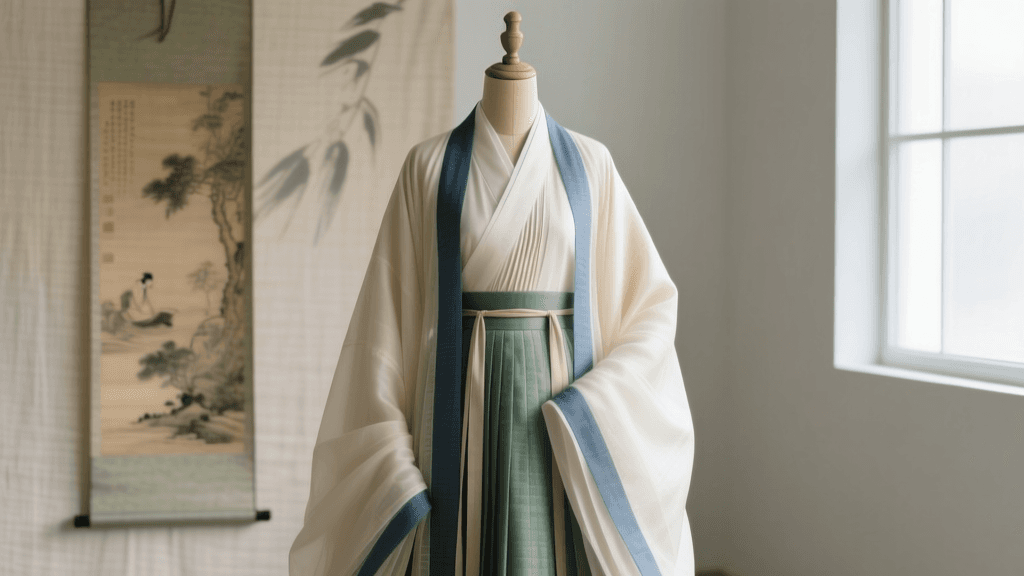
Originating in the Ming Dynasty, the daopao is a quintessential scholar's robe characterized by its cross-collar, wide sleeves, and distinctive side slits that reveal an inner layer of fabric or contrasting trousers. The daopao is inherently gender-neutral because its A-line cut falls straight from the shoulders, completely bypassing the waist. For modern wear, look for a daopao with "arrow sleeves" (jianshou), which taper at the wrist, making it practical for daily activities like typing or commuting. Earthy tones such as slate grey, bamboo green, and ink black are highly recommended for a grounded, contemporary aesthetic.
The Yuanlingpao (Round-Collar Robe)
A staple of the Tang, Song, and Ming dynasties, the yuanlingpao features a round neckline that fastens at the right shoulder. Historically worn by officials and scholars, this robe exudes authority and structure. To style it in a gender-neutral manner, pair it with a modern, high-necked inner layer, such as a black turtleneck or a structured mandarin-collar shirt. The yuanlingpao can be worn with or without a belt; omitting the belt creates a relaxed, avant-garde drape, while cinching it with a leather or woven belt defines the silhouette and adds a martial edge.
The Feiyufu (Flying Fish Robe)
For those seeking a bold, dramatic statement, the feiyufu is unmatched. Originally a ceremonial guard uniform in the Ming Dynasty, it features a cross-collar, tight-fitting sleeves, and intricate woven patterns (often depicting the mythical flying fish or python motifs). While traditionally masculine, its sharp, tailored bodice and flared lower skirt make it a favorite in gender-neutral streetwear. Because of its heavy visual weight, it is best styled with minimalist, monochromatic undergarments to let the outer robe command attention.
Silhouette Comparison Chart
| Garment | Dynasty Origin | Key Features | Best Occasion | Gender-Neutral Adaptability |
|---|---|---|---|---|
| Daopao | Ming | Cross-collar, side slits, wide sleeves | Daily wear, cultural events, travel | High (Straight drape, easy to layer) |
| Yuanlingpao | Tang / Ming | Round collar, shoulder buttons, structured | Formal events, streetwear layering | High (Pairs well with modern basics) |
| Feiyufu | Ming | Tight sleeves, flared skirt, heavy brocade | Photoshoots, festivals, performances | Medium (Requires confident styling) |
| Shenyi | Han / Song | One-piece deep robe, flowing sleeves | Ceremonies, tea ceremonies, lounging | High (Forgiving fit, elegant drape) |
| Mamianqun | Ming / Qing | Pleated horse-face skirt, flat front panels | All occasions, highly versatile | Extremely High (Historically unisex) |
The Mamianqun: A Masterclass in Gender-Fluid Styling
No discussion of gender-neutral hanfu is complete without the mamianqun, or "horse-face skirt." While modern marketing often categorizes it as womenswear, the mamianqun was historically worn by men and women alike, particularly during the Ming and Qing dynasties. Its structured, flat front and back panels, flanked by deep knife pleats, create a striking, architectural silhouette that looks phenomenal on all body types.
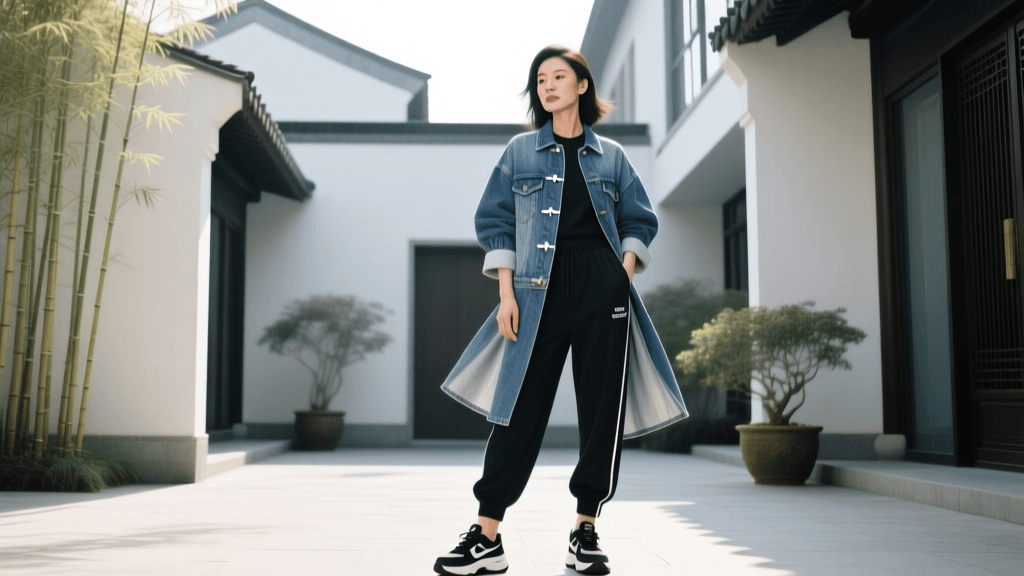
For a modern, gender-neutral interpretation, pair a solid-colored, woven mamianqun (in navy, charcoal, or deep burgundy) with a crisp white button-down shirt, a structured blazer, or a chunky knit sweater. This fusion of traditional textile techniques with contemporary "Xin Zhongshi" (New Chinese Style) tailoring bridges the gap between historical costume and high fashion. As highlighted by Sixth Tone, the integration of hanfu elements into everyday streetwear is a defining characteristic of the current fashion renaissance, with the mamianqun leading the charge due to its unparalleled versatility.
Fabric, Color, and the Rejection of the "Costume" Look
The quickest way to elevate hanfu from "costume" to "couture" is through intentional fabric and color choices. Cheap, shiny polyesters reflect light poorly and cling to the body, ruining the architectural drape required for masculine and gender-neutral styling.
- Winter/Autumn: Opt for wool blends, heavy cotton-linen (mianma), and raw silk. These fabrics hold their shape, providing the structured shoulders and crisp pleats necessary for a commanding presence.
- Spring/Summer: Choose slub linen, ramie, and matte cotton. These breathable textiles offer a relaxed, scholarly drape that moves beautifully in the wind without looking overly delicate.
- Color Palettes: Move away from the pastel pinks and baby blues often marketed to beginners. Embrace the traditional Chinese color palette of xuan (ink black), zhu (cinnabar red), qing (deep indigo), and ya (ivory). Monochromatic outfits, such as a head-to-toe indigo yuanlingpao set, create a sleek, modern, and inherently gender-neutral look.
Tailoring, Proportions, and the "Jiaoling Youren" Rule
Proper fit is paramount. When purchasing off-the-rack hanfu, pay close attention to sleeve length and hem drop. Historically, sleeves were designed to extend past the fingertips to convey wealth and a lack of manual labor. For modern, practical styling, seek out "daily wear" (richang) hanfu, which features sleeves ending at the wrist or mid-hand.
Furthermore, you must strictly adhere to the jiaoling youren rule: the left side of the collar must always cross over the right side. This is a foundational tenet of Han Chinese clothing, representing the triumph of life over death and civilization over chaos. Reversing this (zuoren) is historically reserved for the deceased and is considered a major faux pas in the hanfu community. Ensure your inner garments and outer robes all follow the left-over-right alignment.
Accessorizing: Footwear, Belts, and Hair
Accessories anchor the hanfu look, providing the finishing touches that signal intentionality rather than accidental cosplay.
Footwear
While traditional cloud-toe boots (yunjian xue) are historically accurate, they can be difficult to source in larger, masculine sizes and may clash with modern urban environments. A highly popular gender-neutral styling hack is pairing hanfu with sleek, black leather Chelsea boots or minimalist combat boots. The clean lines of a Chelsea boot complement the verticality of the daopao and yuanlingpao, grounding the outfit in contemporary streetwear.
Belts and Waist Accessories
Ditch the flimsy, tasseled sashes often sold in beginner sets. Invest in a high-quality leather belt with a subtle brass buckle, or a traditional woven geda (knot) belt made of thick, matte cotton cord. For a martial or official aesthetic, a leather belt with a subtle metal clasp adds a rugged, utilitarian edge that appeals across the gender spectrum.
Hair and Headwear
Elaborate hairpins and floral coronets are generally avoided in masculine and gender-neutral styling. Instead, opt for a simple leather hair tie, a minimalist wooden or metal guan (crown/topknot holder), or a structured leather headband. If wearing the hair down, ensure it is neatly styled and textured to maintain a sharp, deliberate silhouette.
Conclusion
Styling mens and gender-neutral hanfu is an exercise in balancing historical reverence with modern pragmatism. By focusing on structured silhouettes like the daopao and yuanlingpao, embracing the architectural brilliance of the mamianqun, and prioritizing high-quality, matte fabrics in grounded color palettes, you can create a wardrobe that is deeply rooted in Asian tradition yet entirely relevant to the contemporary global fashion landscape. The beauty of the hanfu revival lies in its adaptability—proving that traditional garments are not relics of the past, but living, breathing canvases for modern self-expression.