The Ultimate Hanfu Buying Guide: Where to Shop Online
The Resurgence of Traditional Chinese Clothing
The modern Hanfu movement has transformed from a niche historical interest into a multi-billion-dollar global fashion phenomenon. Younger generations are increasingly embracing traditional Chinese garments, wearing them not just for festivals or photography, but as everyday streetwear. For international enthusiasts and beginners alike, navigating the vast ocean of online retailers can be overwhelming. From mass-market e-commerce giants to specialized artisan boutiques, knowing where to shop is the first step in building an authentic and high-quality traditional wardrobe.
This comprehensive buying guide will walk you through the essential styles, the best platforms for international shoppers, trusted Taobao brands, precise sizing techniques, and the logistics of using shopping agents to get your garments delivered anywhere in the world.
Understanding Hanfu Styles Before You Buy
Before adding items to your cart, it is crucial to understand the primary silhouettes of Hanfu, which are generally categorized by the historical dynasty they emulate. Each era offers distinct cuts, fabrics, and vibes.
Tang Dynasty Style (Romantic and Flowing)
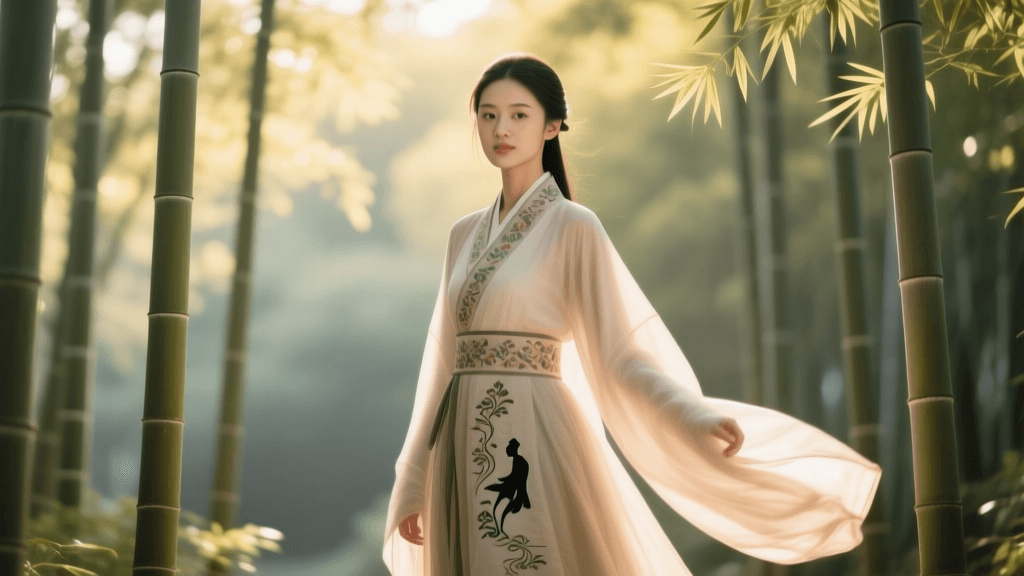
Tang-style Hanfu is characterized by its bold colors, wide sleeves, and high-waisted skirts. The most iconic piece is the Qixiong Ruqun (chest-high skirt), which ties above the bust, creating an elegant, elongated silhouette. This style is highly forgiving in terms of waist measurements and is incredibly popular for summer wear and travel photography.
Song Dynasty Style (Minimalist and Everyday)
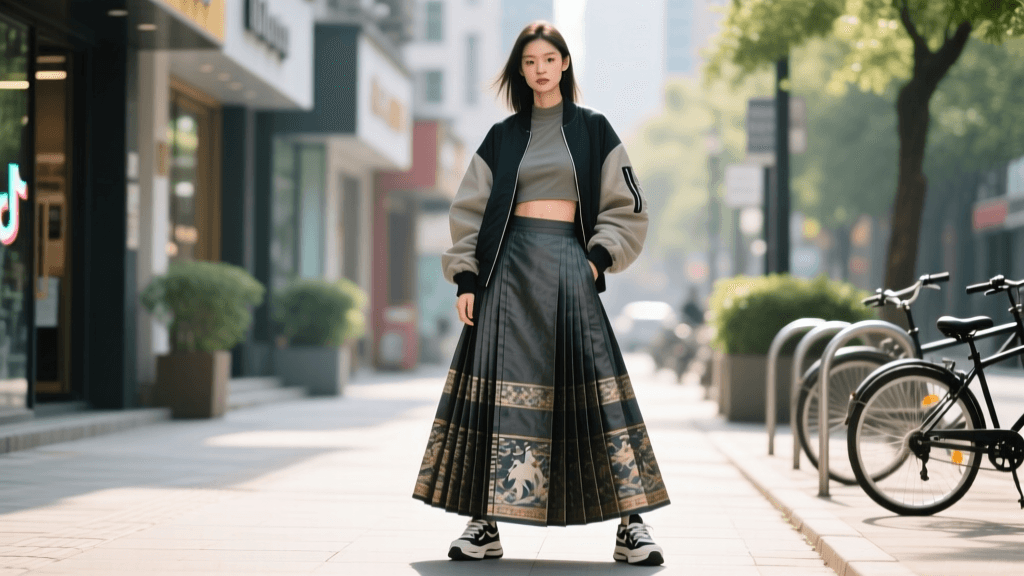
If you are looking for something practical for daily wear, Song-style Hanfu is your best choice. It features narrower sleeves and a more subdued, elegant color palette. The staple pieces include the Beizi (a long, open-front jacket) and the Baizhequn (a pleated skirt). Song-style garments layer beautifully over modern turtlenecks or jeans, making them a favorite for the 'New Chinese Style' (Xin Zhongshi) fashion movement.
Ming Dynasty Style (Structured and Regal)
Ming-style Hanfu offers a structured, dignified look, perfect for autumn and winter. The defining garment is the Mamianqun (horse-face skirt), a wrap skirt with flat front and back panels and heavily pleated sides. It is often paired with an Ao (a lined, long-sleeved top with a stand collar). Ming garments often feature intricate woven gold patterns (Zhuanghua) and require more precise sizing, particularly around the waist and skirt length.
Top Online Platforms for Hanfu Shopping
Where you shop will dictate your price point, the authenticity of the garments, and the complexity of the shipping process. Below is a comparison of the primary platforms used by the global Hanfu community.
| Platform | Pros | Cons | Best For | Price Range (USD) |
|---|---|---|---|---|
| Taobao | Massive selection, direct from original brands, lowest prices. | Requires a shopping agent, Chinese UI, complex return policies. | Enthusiasts, bulk buyers, specific brand hunters. | $30 - $250+ |
| AliExpress | Direct international shipping, English interface, buyer protection. | High markup, prevalence of 'Hanfu' costumes (non-authentic), slow shipping. | Beginners buying their first set, casual buyers. | $40 - $120 |
| YesStyle | Curated selection, reliable global shipping, English UI. | Limited brands, high retail markup, frequent stock-outs. | Shoppers wanting a streamlined, Western-style retail experience. | $60 - $150 |
| Independent Boutiques | Unique designs, direct support to small artisans, custom sizing. | Long wait times (pre-order), limited payment gateways (WeChat/Alipay). | Collectors, bespoke garment seekers. | $150 - $500+ |
Trusted Taobao Brands and Stores
For the best balance of quality, authenticity, and price, Taobao remains the undisputed king of Hanfu retail. However, the platform is flooded with cheap costume replicas. To ensure you are buying historically informed, high-quality garments, stick to established, reputable brands.
- Shisanyu (十三余): One of the most famous Hanfu brands globally, known for collaborating with major IPs like Disney, Harry Potter, and various Chinese video games. Their designs lean towards fantasy and modern aesthetics, making them perfect for beginners and content creators.
- Zhongling (钟灵记): Highly respected for their Ming and Song dynasty reproductions. They use premium fabrics, including real silk and intricate jacquard weaves. Their Mamianqun skirts are considered some of the best on the market.
- Tingyue Ji (听月小筑): A brand that excels in elegant, everyday Hanfu. Their color palettes are usually soft and muted, and their cuts are designed to be comfortable for modern, active lifestyles.
- Chunyue Ji (春月集): Excellent for budget-friendly yet historically accurate Tang and Song styles. A great entry point if you want to build a large wardrobe without breaking the bank.
How to Measure Yourself for Hanfu
Unlike Western clothing, which relies on standardized S/M/L sizing based on body volume, Hanfu sizing is largely based on flat garment measurements and height. Because many Hanfu tops are wrap-style or tie-up, they are incredibly forgiving. However, skirts (especially Ming Mamianqun) require precision. Always keep a soft measuring tape handy and record your metrics in centimeters (cm).
Crucial Measurements to Take:
- Bust/Chest: Measure around the fullest part of your chest. For wrap tops, ensure the garment's flat bust measurement is at least 10-15cm larger than your actual bust to allow for overlapping and tying.
- Waist: Measure your natural waist (the narrowest part). For chest-high skirts, you will also need your under-bust measurement. For Mamianqun, the skirt waistband must match your exact natural waist measurement to prevent the pleats from gaping or the skirt from slipping.
- Skirt Length: This is the most critical measurement. Measure from where you intend the skirt to sit (natural waist or under-bust) down to your ankle bone. Most Taobao sellers offer skirts in lengths like 95cm, 100cm, 105cm, and 110cm. If you are 165cm tall, a 100cm skirt worn at the natural waist will generally hit right at the ankle.
- Sleeve Length: Traditional Hanfu often features extended sleeves. Check the 'sleeve length' (from center back neck to cuff) to ensure you won't be tripping over your fabric.
Navigating Shipping, Customs, and Agents
Because most top-tier Hanfu brands only ship domestically within China, international buyers must use a 'Taobao Agent.' An agent is a third-party service that purchases the item on your behalf, receives it at their domestic warehouse, and then ships it internationally. Superbuy, CSSBuy, and Sugargoo are among the most popular and reliable agents used by the Hanfu community.
Step-by-Step Agent Guide:
- Find Your Item: Browse Taobao using the brand names listed above. Copy the URL of the product page.
- Paste into Agent Site: Create an account on your chosen agent's website and paste the Taobao URL into their search bar. The site will translate the page into English.
- Select Options and Pay: Choose your size, color, and skirt length. Pay for the item cost plus a small domestic shipping fee to the agent's warehouse.
- Quality Control (QC): Once the item arrives at the warehouse (usually 3-7 days), the agent will take detailed photos of the garment. Check these photos carefully for fabric defects, loose threads, or incorrect colors.
- International Shipping: Approve the QC photos, select your international shipping line (e.g., DHL, EMS, or specialized tax-free lines), pay the international postage based on weight, and wait for your Hanfu to arrive.
Caring for Your Traditional Garments
Hanfu fabrics range from delicate mulberry silk to durable polyester blends and cotton-linens. To preserve the intricate pleats of a Mamianqun or the vibrant dyes of a Tang Ruqun, proper care is essential. Always hand-wash silk and heavily embroidered pieces in cold water with a pH-neutral detergent. Never wring or twist the fabric; instead, press the water out gently and hang to dry in the shade to prevent UV fading. For pleated skirts, use a garment steamer rather than an iron to maintain the sharpness of the folds without risking scorch marks. When storing, hang your tops on padded hangers to maintain the shoulder shape, and fold your skirts flat or roll them to preserve the pleat structure.
Conclusion
Building a Hanfu wardrobe is a deeply rewarding journey that connects you to centuries of Asian textile history and artistry. While the initial learning curve of navigating Chinese e-commerce platforms and shopping agents may seem daunting, the reward of receiving a beautifully crafted, authentic garment makes the effort entirely worthwhile. By understanding your preferred historical styles, taking accurate measurements, and utilizing trusted brands and agents, you can confidently curate a stunning collection of traditional Chinese clothing that honors the past while making a statement in the modern world.