Guizhou Miao Dress: Silver Ornaments and Pleated Skirts
Introduction to Guizhou Provincial Folk Dress
Nestled in the misty, karst mountains of southwestern China, Guizhou province is a vibrant tapestry of ethnic diversity. Among its most prominent inhabitants are the Miao people, known internationally as the Hmong. The regional folk dress of the Guizhou Miao is not merely clothing; it is a wearable archive of history, mythology, and social status. Unlike the streamlined silhouettes of urban Han Chinese fashion, traditional Miao provincial dress is characterized by its monumental scale, intricate craftsmanship, and profound spiritual symbolism. For textile collectors, cultural historians, and fashion enthusiasts, understanding the nuances of this attire offers a masterclass in indigenous Asian design. According to The Metropolitan Museum of Art, the textile traditions of the Miao and Hmong peoples represent some of the most complex and symbolically rich needlework in the world, serving as a visual language for a culture that historically relied on oral and textile-based storytelling rather than written texts.
The Anatomy of the Guizhou Miao Outfit
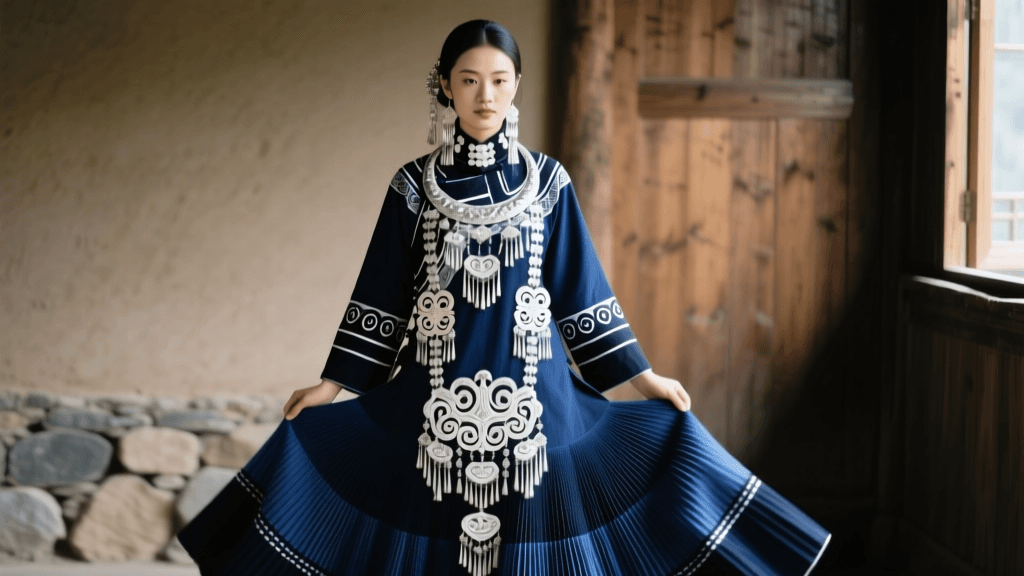
The traditional festive attire of a Guizhou Miao woman is a multi-layered ensemble that can take over a year to complete. It is broadly divided into two main components: the deeply symbolic indigo textiles and the monumental silver jewelry.
The Indigo Pleated Skirt (Bai Zhe Qun)
The centerpiece of the lower half is the bai zhe qun, or 'hundred-pleat skirt'. In reality, a high-quality festival skirt contains anywhere from 500 to over 1,000 meticulously folded pleats. The skirt is crafted from hand-woven cotton or hemp and dyed using a fermented indigo vat. The pleating process is a masterclass in structural textile design: the fabric is dampened, folded by hand using a bamboo comb for precision, and then bound tightly with cotton thread. To ensure the pleats hold their rigid, accordion-like structure for decades, the fabric is treated with a natural stiffening agent—traditionally a mixture of pig's blood, egg white, or cowhide glue—and left to dry in the sun. The result is a skirt that flares dramatically when spinning during the lusheng (reed pipe) dances, yet folds down into a compact, structured cylinder.
Batik (Lazhan) and Embroidery Motifs
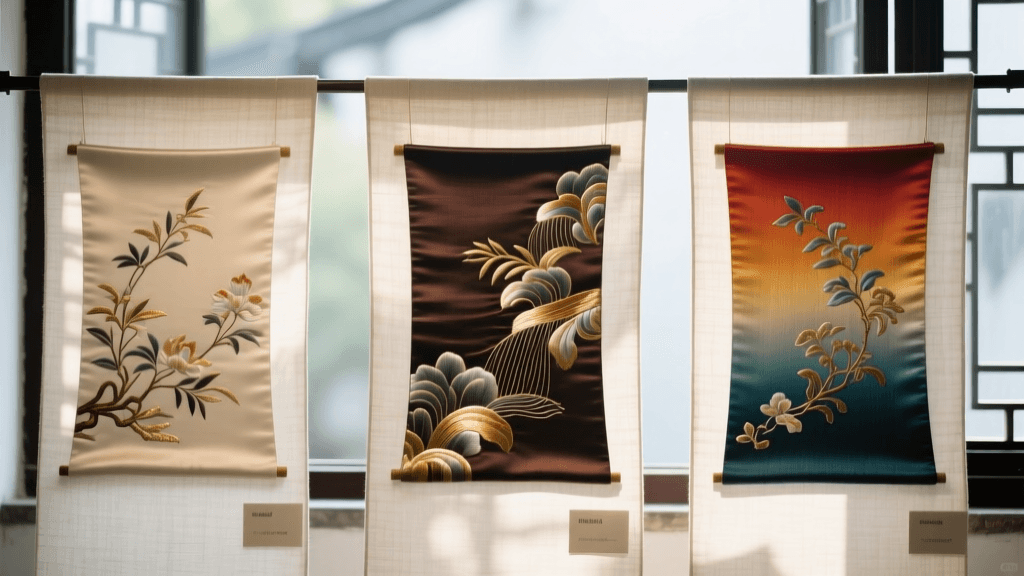
Before pleating, the upper sections of the skirt and the accompanying jackets are often decorated with lazhan (beeswax resist batik) and flat-stitch embroidery. The batik process involves using a specialized brass pen to draw molten beeswax onto the fabric before submerging it in the indigo vat. The fermentation of the indigo vat alone requires precise temperature control and takes 14 to 21 days to mature. The embroidery motifs are deeply mythological. The most prominent is the 'Butterfly Mother' (Mai Bang), the mythical ancestor of the Miao people, often depicted alongside the Ji Yu bird and the buffalo. These motifs are not merely decorative; they are talismans meant to ensure fertility, agricultural abundance, and protection from malevolent spirits.
The Silver Headdress and Ornaments
No Guizhou Miao festival outfit is complete without its staggering silver ornaments. Silver represents light, purity, and wealth, and is believed to ward off evil spirits. A full bridal or festival silver set includes a massive horned headdress, thick neck rings, chest plates, and hairpins. The silversmithing techniques utilized by Miao artisans—such as repousse, filigree, and granulation—are so culturally vital that they are closely monitored and celebrated by institutions like UNESCO's Intangible Cultural Heritage lists, which track the preservation of traditional Chinese forging techniques. The iconic silver horns mimic the buffalo, an animal revered in Miao agrarian society for its strength and connection to the earth. A complete festival silver set can weigh between 5 to 15 kilograms (11 to 33 lbs), requiring immense neck strength and careful balancing by the wearer.
Sourcing and Pricing Guide
For collectors and cultural enthusiasts looking to acquire authentic Miao provincial dress, knowing where to look and what to expect in terms of pricing is crucial. Mass-produced tourist knock-offs abound, so sourcing directly from artisan hubs is highly recommended. Museums such as The British Museum hold extensive archives of these garments, which can serve as a visual benchmark for authentic stitching and silver hallmarks when you are shopping in the field.
| Component | Sourcing Location | Estimated Cost (USD) | Production Time | Weight |
|---|---|---|---|---|
| Everyday Indigo Skirt | Kaili Weekend Market | $150 - $300 | 2 - 3 Months | 1.5 - 2.5 kg |
| Festival Pleated Skirt | Xijiang Miao Village | $500 - $1,200 | 6 - 12 Months | 3.0 - 5.0 kg |
| Silver Neck Rings (Set of 3) | Shidong Silver Street | $400 - $800 | 2 - 4 Weeks | 1.0 - 2.0 kg |
| Full Silver Headdress & Chest Plate | Master Silversmith (Commission) | $2,500 - $8,000+ | 3 - 6 Months | 5.0 - 12.0 kg |
Practical Guide: Measuring, Buying, and Wearing
Acquiring and wearing a traditional Miao outfit requires specific practical knowledge, particularly regarding measurements and the physical demands of the silver.
Measuring for the Pleated Skirt
- Waist Measurement: Miao skirts are wrap-around garments. Measure your natural waist and add at least 2 to 3 inches (5-7 cm) to allow for the overlap and the thick cotton tie-bands that secure the skirt.
- Length Selection: Everyday skirts typically fall at the mid-calf (approx. 28-32 inches from the waist), while festival skirts are often longer, grazing the ankle. However, the rigid pleats mean the skirt cannot be easily hemmed after purchase; you must buy the correct length initially.
- Apron (Weiqun): Always purchase the matching embroidered front apron. It is tied over the skirt and serves to protect the pleats from dirt while adding a layer of symbolic embroidery over the abdomen.
Authenticating and Wearing the Silver
When purchasing silver in Guizhou, be aware that modern 'Miao silver' sold in tourist markets is often an alloy of copper, zinc, and nickel (known as Tibetan silver or white copper). To ensure you are buying genuine sterling silver (925 or 990 purity):
- The Magnet Test: Bring a strong neodymium magnet. Genuine silver is non-magnetic. If the chest plate or horn sticks to the magnet, it contains iron or steel cores.
- The Ice Test: Silver has the highest thermal conductivity of any common metal. Place an ice cube on the silver; it should begin to melt almost instantly compared to base metals.
- Wearing the Headdress: The massive horned headdress cannot simply be placed on the head. It must be anchored. First, the hair is wrapped tightly around a wooden or foam core pad on the crown of the head. The silver horns are then slotted into this base and secured by wrapping long, embroidered cloth bands tightly around the forehead and the base of the horns, distributing the 5+ kilo weight across the forehead and neck muscles rather than the top of the spine.
Preserving and Caring for Miao Textiles
Proper care is essential to maintain the structural integrity of both the indigo textiles and the silver ornaments.
Indigo and Pleat Maintenance
Never machine wash a traditional Miao pleated skirt. The agitation will destroy the stiffened pleats, and modern detergents will strip the natural indigo dye, which is not colorfast in the presence of alkaline chemicals. To clean the garment, spot clean with a damp cloth and mild, pH-neutral soap. If the entire skirt must be refreshed, submerge it briefly in cool water with a dash of white vinegar (which helps set the indigo), gently press the water out without wringing, and re-bind the pleats with cotton thread while damp. Hang it to dry in the shade; direct sunlight will cause the deep blue-black indigo to fade to a dusty gray.
Silver Polishing and Storage
Miao silver is traditionally polished using a mixture of wood ash and water, rubbed gently with a soft cloth. For modern collectors, a high-quality microfiber silver polishing cloth is safer and less abrasive. Avoid liquid silver dips, as they can damage the delicate patina that often highlights the repousse details. Store the silver pieces individually in anti-tarnish cloth bags. The heavy neck rings should be stored flat; hanging them on hooks for long periods can cause the softer, high-purity silver to warp or bend out of its circular shape under its own weight.
Conclusion
The regional folk dress of the Guizhou Miao is a triumph of provincial design, blending rigorous structural engineering with profound mythological storytelling. From the rigid, accordion folds of the indigo bai zhe qun to the blinding brilliance of the buffalo-horn headdress, every element serves a distinct cultural and practical purpose. For those who take the time to understand the measurements, sourcing channels, and preservation techniques required for these garments, collecting and wearing Miao provincial dress becomes an act of deep cultural appreciation, keeping the vibrant heritage of southwestern China alive in the modern era.