Miao Silverwork & Indigo Textiles: A Cultural Buyer Guide
The Living Heritage of Miao Textile and Silver Artistry
Among the rich tapestry of Asian traditions, the clothing of China's ethnic minority groups offers some of the most visually stunning and culturally profound sartorial expressions in the world. The Miao people—often recognized globally by the related diaspora name, Hmong—primarily inhabit the mountainous regions of Guizhou, Yunnan, and Hunan provinces. Historically lacking a formal written language, the Miao encoded their history, cosmology, and ancestral myths into the very fabric of their garments. Today, Miao clothing is not merely a relic of the past; it is a vibrant, living tradition that continues to evolve while maintaining deep roots in indigenous craftsmanship.
For collectors, cultural enthusiasts, and ethical fashion buyers, navigating the market for authentic Miao garments requires a nuanced understanding of their techniques, materials, and cultural significance. According to archives maintained by The British Museum's Ethnographic Collection, Miao textiles serve as vital historical documents, with specific motifs denoting clan lineage, marital status, and regional origins. This comprehensive buyer's guide will explore the intricate worlds of Miao indigo dyeing, embroidery, and silversmithing, providing actionable advice on how to commission, purchase, and care for these extraordinary ethnic minority garments.
Understanding Miao Indigo Dyeing and Batik (Laran)
The foundation of traditional Miao clothing is its deep, lustrous indigo blue. Unlike modern synthetic dyes, authentic Miao indigo is derived from the Strobilanthes cusia plant, cultivated in the terraced mountains of Guizhou. The dyeing process is an arduous, multi-week endeavor that requires profound botanical and chemical knowledge.
The Fermentation and Dyeing Process
Artisans harvest the indigo leaves and ferment them in large wooden vats with water, rice wine, and wood ash to create an alkaline environment. This fermentation process takes two to three weeks. The fabric—usually hand-woven cotton or hemp—is dipped into the vat multiple times, sometimes up to thirty or forty dips, to achieve the signature dark, almost black-blue hue. Between dips, the cloth is oxidized in the air, turning from yellow-green to deep blue.
Identifying Authentic Indigo
When shopping for Miao textiles, it is crucial to distinguish between natural indigo and synthetic alternatives. Authentic indigo possesses a distinct, earthy, and slightly fermented scent, whereas synthetic fabrics often smell of harsh chemicals or carry no scent at all. Furthermore, natural indigo may exhibit slight unevenness or 'crocking' (where the dye rubs off slightly on the skin initially), which is a hallmark of organic dyeing. Expect to pay between $40 and $80 USD per yard for high-quality, hand-dyed, hand-woven indigo batik fabric.
Miao Embroidery: Stitching the Cosmos
If indigo provides the canvas, embroidery provides the narrative. Miao embroidery is renowned for its staggering complexity, vibrant colors, and mythological motifs. The preservation of these techniques is closely monitored by organizations tracking the UNESCO Intangible Cultural Heritage Lists, as the skills are passed down matrilineally, from mother to daughter, often taking a decade to master.
Key Motifs and Techniques
- The Butterfly Mother (Mais Bangx Mais Lief): The central figure in Miao creation mythology, representing the origin of humanity and the natural world.
- The Water Buffalo: A symbol of agricultural prosperity, strength, and ancestral reverence, often depicted with exaggerated, sweeping horns.
- Techniques: Miao embroiderers utilize over a dozen distinct stitching methods, including Pingxiu (flat stitch), Zhouxiu (wrinkled or pleated stitch, creating a 3D textured effect), and Daxiuxiu (thick thread embroidery).
Commissioning a fully embroidered festival jacket is a significant investment of both time and capital. A master artisan may spend 8 to 14 months working on a single garment. Prices for authentic, fully embroidered festival jackets typically range from $800 to $2,500 USD, depending on the density of the stitching and the use of silk versus cotton threads.
The Weight of Ancestors: Miao Silverwork
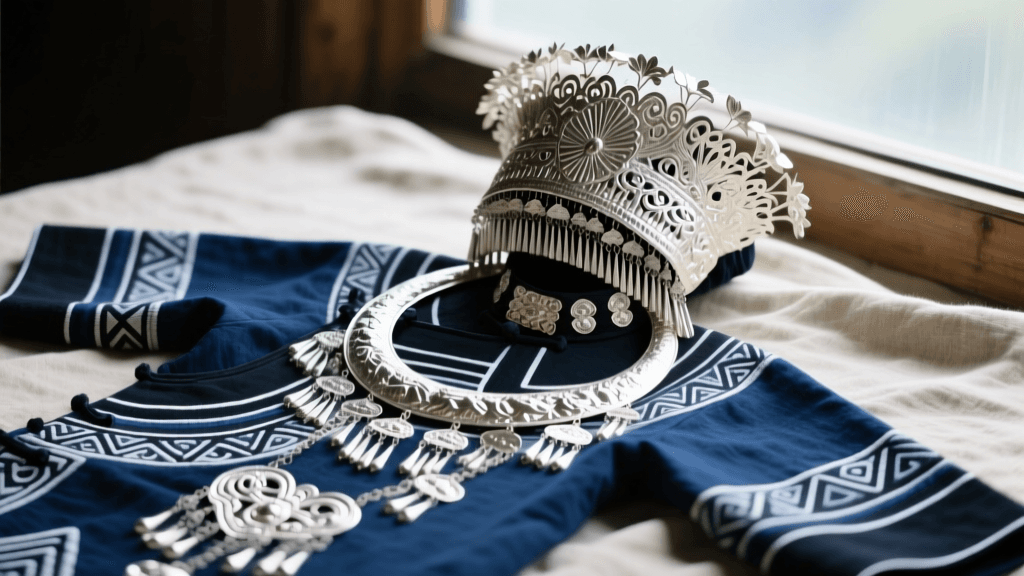
No Miao festival outfit is complete without the rhythmic clinking of heavy silver jewelry. Silver is believed to ward off evil spirits, illuminate the path to the ancestral realm, and display a family's wealth and social standing. The crafting of Miao silver is a highly specialized male-dominated trade, with silversmiths employing techniques such as filigree, repoussé, and granulation.
Purchasing Miao Silver: What You Need to Know
When buying Miao silver, authenticity and purity are paramount. Traditional Miao silver jewelry is crafted from high-purity silver, usually stamped as 990 or 999 (99.0% to 99.9% pure). A full festival set—including the iconic horned headdress, multiple neck torcs, chest locks, and hairpins—can weigh anywhere from 3 to 10 kilograms (6.6 to 22 lbs).
Pricing is generally calculated based on the daily international spot price of silver, plus a 20% to 40% premium for the artisan's craftsmanship. For a complete, authentic bridal or festival set weighing 5 kilograms, buyers should expect to invest between $3,500 and $6,000 USD. Always request a certificate of purity and purchase directly from recognized artisan cooperatives in regions like Leishan or Kaili in Guizhou province.
Comparison Chart: Authentic vs. Commercial Miao Garments
The rise of cultural tourism has led to an influx of mass-produced 'ethnic' clothing. Use the following table to differentiate between authentic artisan pieces and commercial replicas.
| Feature | Authentic Artisan Garment | Mass-Produced Tourist Replica |
|---|---|---|
| Base Fabric | Hand-woven cotton, hemp, or raw silk | Machine-woven polyester or synthetic blends |
| Dye Source | Natural fermented indigo (earthy scent) | Synthetic chemical dyes (odorless or chemical scent) |
| Embroidery | Hand-stitched, 3D textures, mythological accuracy | Machine-embroidered, flat, generic floral patterns |
| Silver Purity | 990 or 999 pure silver, heavy weight | Tibetan silver, alpaca, or plated brass (lightweight) |
| Production Time | 6 to 18 months per outfit | Factory-produced in hours |
| Estimated Cost | $1,000 - $5,000+ USD | $30 - $150 USD |
Practical Guide to Commissioning and Purchasing
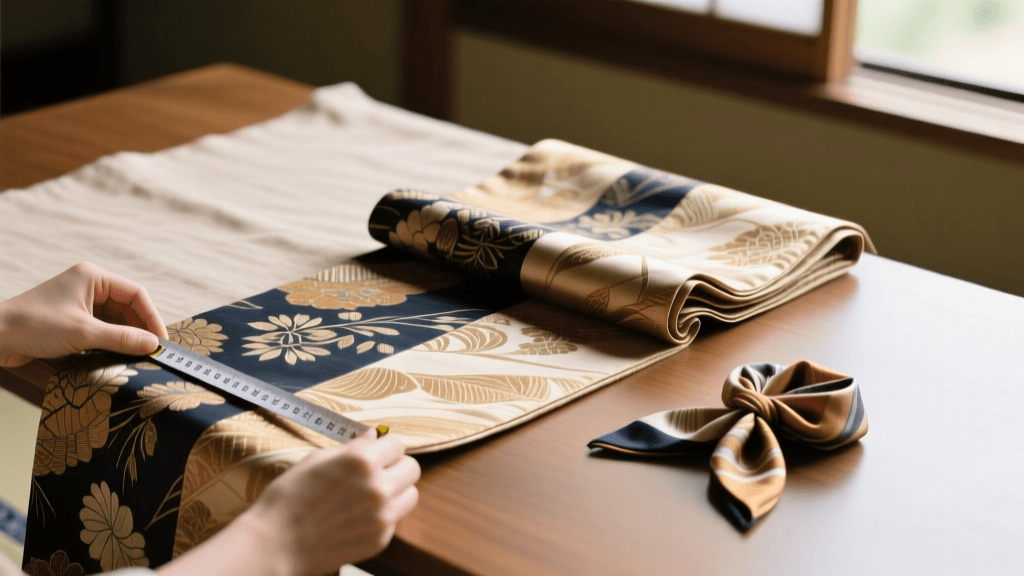
If you are commissioning a bespoke Miao garment, precise measurements are critical, as traditional cuts differ significantly from Western tailoring. Miao jackets often feature a wrap-front design (cross-collar) with wide, straight sleeves and no darts. You will need to provide the artisan with your chest circumference, shoulder drop, sleeve length (measured from the nape of the neck to the wrist bone), and desired jacket length.
For those looking to purchase vintage or antique Miao textiles, the The Metropolitan Museum of Art's Asian Art Department offers extensive digital archives that can help you identify regional variations, such as the pleated skirts of the Xijiang Miao versus the heavily embroidered aprons of the Huangping Miao. When buying antiques, inspect the fabric for dry rot, particularly along the fold lines of pleated skirts, and ensure the silver elements have not been aggressively polished, as a natural patina is highly valued by collectors.
Caring for Your Ethnic Minority Heirlooms
Proper maintenance is essential to preserve the structural and historical integrity of Miao garments.
Textile Care
- Washing: Never machine wash authentic indigo or silk embroidery. Spot clean only, or hand wash in cold water with a pH-neutral detergent.
- Pleated Skirts: Miao pleated skirts are heat-set using natural resins and heavy pressing. To maintain the pleats, the skirt should be stored rolled into a tight cylinder, bound with cotton string, rather than hung or folded flat.
- Storage: Store textiles in acid-free tissue paper in a cool, dark, and dry environment to prevent the indigo from fading and the silk threads from degrading.
Silver Care
Miao silver should be cleaned gently using a soft microfiber cloth or a traditional paste made from wood ash and water. Avoid commercial silver dips or harsh chemical polishes, as these can strip the metal and damage the delicate filigree work. When not in use, wrap silver pieces individually in anti-tarnish cloth to prevent scratching and oxidation.
Conclusion
Investing in authentic Miao silverwork and indigo textiles is more than a fashion statement; it is an act of cultural preservation. By understanding the immense labor, mythological significance, and technical mastery behind these garments, buyers can make ethical, informed purchases that support indigenous artisans and ensure that the wearable history books of the Miao people continue to be written for generations to come.