Miao Ethnic Clothing: Batik, Silver, and Pleated Skirts
Introduction to Miao Clothing Traditions
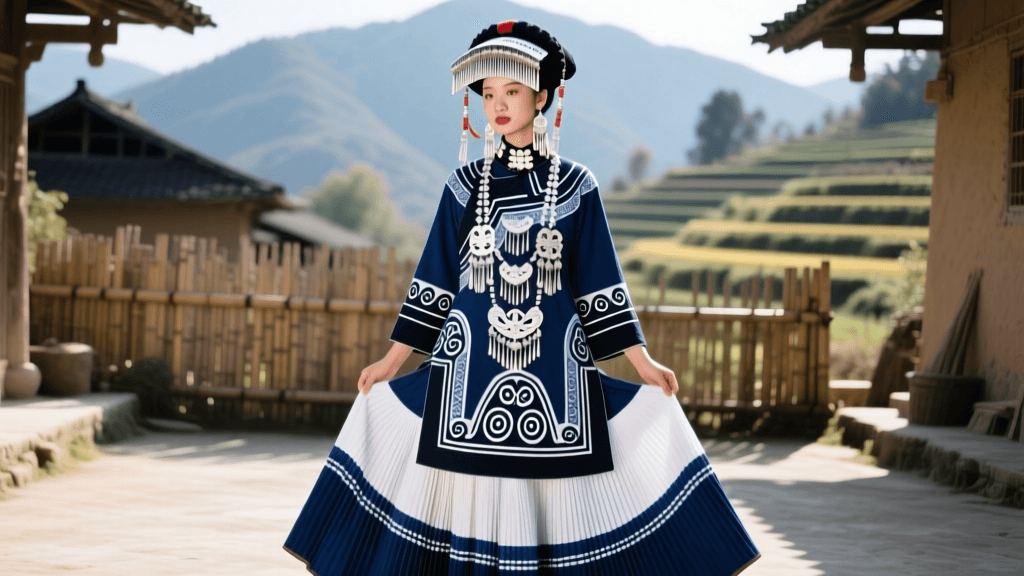
The Miao people, one of China's largest and most culturally diverse ethnic minority groups, possess a sartorial heritage that is as visually stunning as it is historically profound. Primarily residing in the mountainous regions of Guizhou, Hunan, and Yunnan provinces, the Miao have historically used their clothing not merely as adornment, but as a wearable archive of their history, mythology, and clan identity. Without a traditional written language for much of their history, Miao women encoded their legends, migration routes, and spiritual beliefs into the very fabric of their garments. Today, Miao ethnic clothing remains a vibrant pillar of Asian traditions, characterized by three masterful elements: resist-dye batik, meticulously pleated skirts, and elaborate silver jewelry. This guide explores the craftsmanship behind these iconic garments and provides actionable advice for collectors, cultural enthusiasts, and travelers seeking authentic pieces.
The Art of Miao Batik (Laran)
Miao batik, known locally as Laran, is a resist-dyeing technique that has been passed down through generations. The process begins with the creation of a natural dye vat using indigo extracted from the leaves of Polygonum tinctorium (Chinese indigo). The fermentation of the indigo vat is a highly guarded skill, requiring a specific temperature range of 25°C to 30°C, making late summer the optimal timing for dyeing. Artisans use a specialized copper pen called a ladao to draw intricate geometric and floral patterns onto white hemp or cotton fabric using melted beeswax. Once the wax hardens, the fabric is submerged repeatedly in the indigo vat over several weeks. Finally, the cloth is boiled to remove the wax, revealing the striking white patterns against a deep blue background.
Actionable Advice: Identifying Authentic Batik
When shopping for Miao batik, it is crucial to distinguish between genuine handcrafted pieces and mass-produced, screen-printed imitations. Look for the 'ice crackle' effect. As the beeswax cools and the fabric is handled during the dyeing process, the wax naturally fractures. Indigo seeps into these microscopic cracks, creating a delicate, vein-like webbing on the final white pattern. Machine-printed fabrics cannot replicate the random, organic nature of these ice crackles. Additionally, authentic Miao batik will have a subtle, earthy scent from the natural indigo and beeswax, whereas synthetic prints often carry a chemical odor. According to cultural reports from Sixth Tone, supporting authentic artisans directly helps preserve these labor-intensive techniques against the tide of cheap manufacturing.
The Iconic Miao Pleated Skirt (Baiqun)
The Baiqun, or pleated skirt, is the cornerstone of a Miao woman's festival attire. The creation of a single skirt is a monumental task that can take several months. Artisans begin with a continuous strip of hand-woven cotton or hemp measuring between 15 to 20 meters in length. Through a painstaking process of folding, pinning, and binding with cotton thread, the fabric is compressed into hundreds of microscopic pleats. To ensure the pleats hold their shape permanently, traditional artisans brush the bound skirt with a mixture of egg white, pig's blood, or natural tree resins, then steam it and leave it to dry in the sun. The result is a skirt that flares out dramatically when the wearer dances, resembling a blooming flower.
Comparison of Regional Miao Pleated Skirt Styles
The Miao are divided into numerous subgroups, each with distinct regional variations in their skirt styles. The table below outlines the primary differences found across Guizhou province, a major hub for Miao textile arts.
| Region / Subgroup | Skirt Length | Pleat Count | Distinctive Features |
|---|---|---|---|
| Leishan (Black Miao) | Midi (60-70 cm) | 500 - 1,000 | Deep indigo base, worn with heavily embroidered cross-stitch aprons. |
| Taijiang (Red Miao) | Mini (30-40 cm) | 300 - 500 | Bright red and green silk embroidery, heavy silver fringe along the hem. |
| Danzhai (Short Skirt Miao) | Micro (15-20 cm) | 200 - 400 | Extremely short, prominent batik patterns, layered over woven leggings. |
| Rongjiang (Long Skirt Miao) | Maxi (80-90 cm) | 100 - 300 | Ankle-length, less dense pleating, heavily layered with woven sashes. |
For a comprehensive look at the structural diversity of these garments, the Metropolitan Museum of Art features an extensive digital collection of Miao textiles that highlights the incredible variance in pleating and embroidery techniques across different villages.
Silver Jewelry: The Weight of Heritage
No Miao festival ensemble is complete without silver jewelry. The Miao believe that silver possesses the spiritual power to ward off evil spirits, illuminate the dark, and bring good fortune. During major festivals like the Lusheng Festival or the Sisters' Meal Festival, a Miao woman may wear up to 10 kilograms of silver, including elaborate horned headdresses, heavy neck torcs, chest plates, and bracelets. The motifs are deeply symbolic, frequently featuring the 'Butterfly Mother' (the mythical ancestor of the Miao), water buffalo (representing agricultural wealth), and dragons.
Buying Miao Silver: Costs and Considerations
When purchasing Miao silver, it is important to understand that traditional ethnic silver is rarely 99.9% pure. Artisans typically use an alloy containing 60% to 80% silver, mixed with copper or brass. Pure silver is too soft to hold the intricate filigree and repoussé details required for Miao jewelry, and it would easily bend under the heavy weight of a full headdress.
- Cost: Handcrafted ethnic silver jewelry typically costs between 15 to 35 RMB ($2 to $5 USD) per gram, depending on the complexity of the filigree work.
- Weight: A standard festival neck torc weighs between 300 and 500 grams, while a full headdress can exceed 2,000 grams.
- Authentication: Look for the hallmark of the artisan village (such as Shidong or Huangping) and examine the soldering joints. Traditional pieces use mechanical interlocking or low-temperature soldering, whereas mass-produced tourist pieces often show signs of modern laser welding.
Practical Guide: Buying, Sizing, and Caring for Miao Garments
Acquiring authentic Miao clothing requires an understanding of traditional sizing and specialized care routines to preserve the integrity of the natural dyes and structural pleats.
Sizing and Measurements
Traditional Miao jackets and skirts are rarely tailored to exact modern measurements. Instead, they rely on a wrap-around, overlapping design secured by long woven sashes.
- Jackets: Usually cut in a boxy, dropped-shoulder silhouette. Look for a chest width of 100-120 cm to ensure the traditional loose fit.
- Skirts: The waist is typically a flat, unpleated cotton band (about 80-100 cm wide) that wraps around the body and is tied off. The pleated section begins below the hip.
Cost Expectations
Authentic, hand-embroidered, and hand-pleated garments are investment pieces.
- Everyday Batik Tops: 300 - 800 RMB ($40 - $110 USD).
- Festival Pleated Skirts: 1,500 - 4,000 RMB ($200 - $550 USD), depending on the density of the pleats and the age of the piece.
- Vintage/Antique Jackets: 5,000+ RMB ($700+ USD), highly sought after by collectors for their use of now-rare natural dyes and extinct regional embroidery stitches.
Care and Maintenance
Improper washing can destroy a Miao pleated skirt in minutes. Never machine wash or dry clean these garments.
- Washing: Hand wash gently in cold water using a pH-neutral detergent. Hot water will melt the natural resins or egg-white binders holding the pleats in place.
- Drying: Never wring the fabric. Gently press out excess water with a clean towel. While the skirt is still damp, manually re-fold and pinch the pleats back into alignment, then hang it vertically in a shaded, well-ventilated area. Direct sunlight will fade the natural indigo.
- Storage: Store silver jewelry in anti-tarnish cloth bags with silica gel packets. Keep textiles in breathable cotton pillowcases, avoiding plastic bins which can trap moisture and cause mildew on the natural hemp fibers.
Preserving the Threads of History
The clothing traditions of the Miao people represent a masterclass in sustainable, deeply meaningful fashion. From the botanical chemistry of the indigo vat to the architectural precision of the pleated skirt, every element serves a cultural and functional purpose. By understanding the nuances of Miao craftsmanship, buyers and enthusiasts can make informed, respectful purchases that support the artisans keeping these ancient Asian traditions alive in the modern era.