Top Kimono Museums and Heritage Textile Sites in Japan
The Living Archive of Japanese Textiles
The preservation of Japanese garment history is not merely an academic pursuit; it is a vital cultural practice that bridges centuries of artisanal mastery with contemporary appreciation. For enthusiasts of traditional Asian garments, Japan offers an unparalleled network of museums, heritage sites, and living workshops dedicated to the kimono and its intricate textile ecosystem. From the delicate silk weaves of the Edo period to the vibrant yuzen-dyed robes of the Meiji era, these institutions serve as custodians of a deeply symbolic sartorial tradition. Exploring these sites provides invaluable insight into the structural evolution of the kosode, the socio-economic indicators embedded in textile patterns, and the meticulous conservation techniques required to preserve organic fibers. This comprehensive guide details the most significant kimono museums and textile heritage sites in Japan, offering actionable advice for curating an immersive and educational travel itinerary.
Premier Kimono and Textile Museums
Bunka Gakuen Costume Museum (Tokyo)
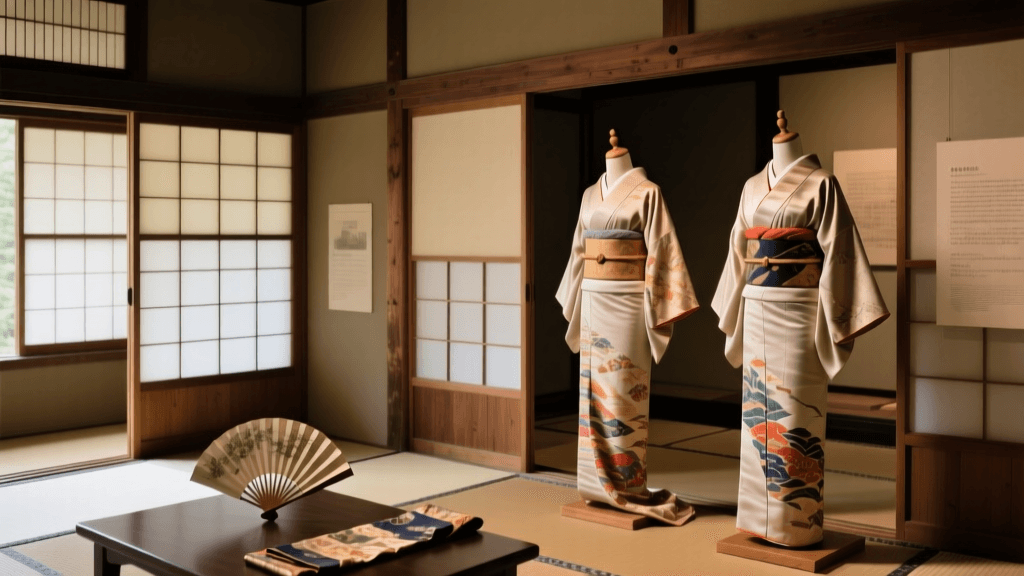
Located in the bustling Shibuya district, the Bunka Gakuen Costume Museum is a cornerstone of Japanese and global fashion history. Operated by the prestigious Bunka Fashion College, this institution houses a vast collection of over 20,000 garments and textiles from around the world, with a deeply significant focus on Japanese historical dress. The museum is particularly renowned for its extensive archive of Edo and Meiji period kimono, including rare examples of uchikake (wedding over-robes) and intricately embroidered Noh theater costumes. The curatorial approach here is highly academic, often highlighting the structural tailoring techniques, such as the straight-line cutting method that allows kimono to be disassembled, cleaned, and resewn. Visitors can expect rotating exhibitions that frequently pair historical Japanese textiles with their global contemporaries, providing a fascinating comparative perspective on garment construction. For those studying the technical evolution of the obi and the transition from the kosode to the modern kimono silhouette, this museum is an essential destination.
Kyoto National Museum (Kyoto)
The Kyoto National Museum, particularly its modern Heisei Chishinkan wing designed by renowned architect Yoshio Taniguchi, holds one of the most prestigious collections of Japanese art and historical textiles in the world. While it is a general art museum, its textile and costume galleries are unparalleled. The museum's collection includes National Treasures and Important Cultural Properties, featuring exquisite examples of Heian-period court garments, Muromachi-period kosode, and lavish silk brocades used in Buddhist ceremonies. The Kyoto National Museum frequently hosts special exhibitions focusing on specific textile techniques, such as shibori (tie-dyeing) or tsujigahana (a complex tie-dye and ink-drawing technique popular in the Momoyama period). Because light exposure severely degrades historical silk, the museum employs strict lux-level lighting controls and rotates its fragile textile displays every few months. Planning a visit during the spring or autumn special exhibition seasons is highly recommended, as these periods often feature once-in-a-decade unveilings of exceptionally rare imperial garments.
Nomura Art Museum (Kanazawa)
Kanazawa, a city that escaped the aerial bombings of World War II, is a treasure trove of Edo-period culture, and the Nomura Art Museum is a hidden gem for textile aficionados. Housed in the former residence of the wealthy Nomura samurai family, this intimate museum offers a deeply personal look at the garments worn by the upper echelons of feudal society. The collection includes stunning examples of Kaga-yuzen dyed kimono, a technique native to the Kanazawa region characterized by its realistic, nature-inspired motifs and distinctive five-color palette. The Nomura Art Museum also features an impressive array of Noh costumes (shozoku), reflecting the Nomura family's historical patronage of the performing arts. The museum's traditional tea house and meticulously maintained Edo-style garden provide a holistic cultural experience, allowing visitors to understand the environmental and aesthetic context in which these exquisite garments were originally worn and appreciated.
Comparative Guide to Museum Visits
To assist in planning your textile heritage tour, the following table outlines key logistical details for Japan's premier kimono and textile institutions. Please note that admission fees and exhibition schedules are subject to change, and checking the official English-language websites prior to your trip is strongly advised.
| Institution | Location | Admission (Approx.) | Primary Textile Focus | Best Time to Visit |
|---|---|---|---|---|
| Bunka Gakuen Costume Museum | Shibuya, Tokyo | 500 JPY | Edo/Meiji Kimono, Global Tailoring | Year-round (Check rotation schedule) |
| Kyoto National Museum | Higashiyama, Kyoto | 700 JPY | Imperial Garments, Buddhist Textiles | Spring/Autumn Special Exhibitions |
| Nomura Art Museum | Kanazawa, Ishikawa | 700 JPY | Kaga-yuzen, Noh Theater Costumes | Autumn (Pairs with fall foliage) |
| Nishijin Textile Center | Kamigyo, Kyoto | Free (Shows cost extra) | Nishijin-ori Brocade Weaving | Weekday mornings (Active weaving) |
Heritage Weaving Centers and Living Workshops
While museums preserve the finished garments, heritage weaving centers preserve the living techniques required to create them. Understanding the textile production process is crucial for a comprehensive appreciation of traditional Japanese clothing.
Nishijin Textile Center (Kyoto)
The Nishijin district in Kyoto has been the epicenter of Japanese luxury silk weaving for over a millennium. The Nishijin Textile Center operates as both a museum and an active promotional hub for Nishijin-ori, a highly complex brocade weaving technique that utilizes pre-dyed silk threads to create elaborate, multi-layered patterns. Visitors can observe master weavers operating traditional hand looms, including the massive Jacquard looms introduced during the Meiji era, which revolutionized the speed and complexity of obi production. The center offers daily kimono fashion shows, demonstrating the intricate art of kitsuke (kimono dressing) and the proper layering of garments for different seasons and formalities. For travelers seeking hands-on experience, the center also provides workshops where visitors can try their hand at weaving small textile items or participate in simplified yuzen dyeing sessions.
Navigating Special Exhibitions and Seasonal Displays
One of the most critical aspects of visiting Japanese textile museums is understanding the concept of 'mushiboshi' (airing out) and light-damage mitigation. Historical silk is incredibly susceptible to photodegradation. Consequently, major institutions like the Kyoto National Museum and the Tokyo National Museum rarely display their most prized National Treasure textiles for more than three to four weeks at a time. These brief exhibition windows are heavily publicized in Japanese art magazines and museum newsletters. Furthermore, the traditional Japanese concept of seasonality extends to museum curation; visitors in the spring will likely see garments featuring cherry blossoms, wisteria, and flowing water motifs, while autumn visits will showcase textiles adorned with maple leaves, chrysanthemums, and harvest moon imagery. To maximize your experience, align your travel dates with the museum's announced special exhibition calendars, which are typically published six months in advance.
Practical Itinerary Planning and Etiquette
Visiting heritage sites in Japan requires adherence to specific cultural etiquettes, particularly when dealing with fragile historical artifacts and active artisan workshops. Consider the following actionable guidelines to ensure a respectful and rewarding experience:
- Photography Restrictions: Flash photography is universally banned in textile galleries due to the destructive nature of intense light bursts on natural dyes. Furthermore, many special exhibitions prohibit all photography to protect intellectual property and maintain crowd flow. Always look for the camera icon with a slash at the gallery entrance.
- Bag and Coat Check: Large backpacks, umbrellas, and wet coats pose a physical threat to delicate displays. Nearly all museums require you to store these items in provided lockers before entering the exhibition spaces. Carry only a small notebook and pencil (pens are often prohibited to prevent accidental ink marks on artifacts).
- Workshop Reservations: If you plan to participate in weaving or dyeing workshops at sites like the Nishijin Textile Center or regional craft villages in Kanazawa, reservations must be made weeks in advance. Many of these intimate sessions are conducted exclusively in Japanese, so inquiring about English-language support or hiring a local textile guide is highly recommended.
- Pacing Your Visit: Textile fatigue is a real phenomenon. The sheer volume of intricate patterns, metallic threads, and complex embroidery can be visually overwhelming. Limit your museum visits to two hours, taking breaks in the museum cafes to review your notes and process the sartorial history you have just absorbed.
Conclusion
Exploring Japan's kimono museums and textile heritage sites is a profound journey into the heart of Asian sartorial traditions. These institutions do more than display beautiful garments; they safeguard the intangible cultural heritage of the artisans who spun, dyed, wove, and stitched these masterpieces. By strategically planning your visits around seasonal exhibitions, engaging with living weaving centers, and observing proper museum etiquette, you will gain a profound, multidimensional understanding of the kimono not just as a piece of clothing, but as a dynamic canvas of Japanese history, aesthetics, and technical ingenuity.