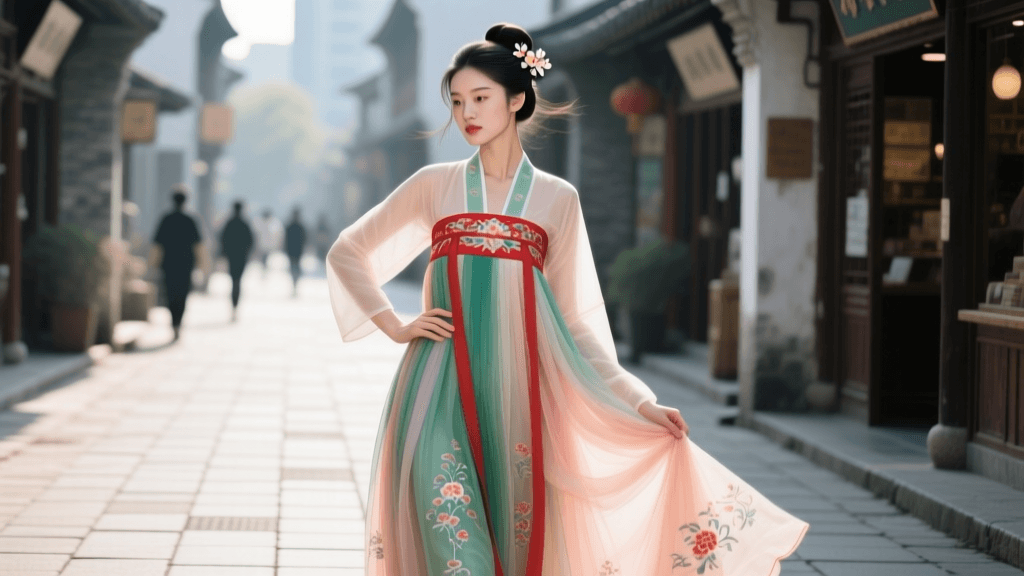
Chinese Heritage Textiles: A Guide to Xiangyunsha and Kesi Silk
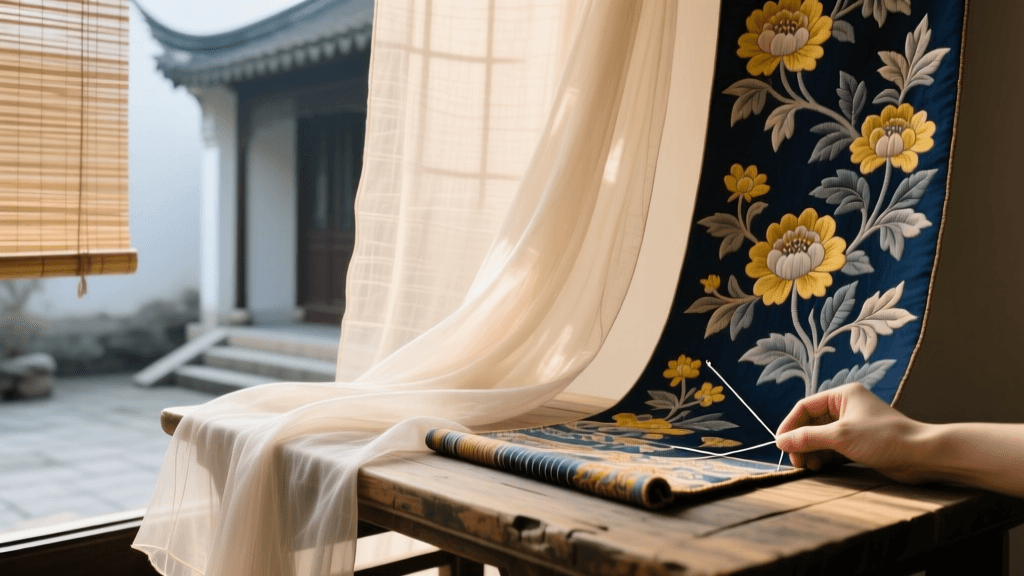
The Living Legacy of Chinese Textile Artisans
China’s sartorial history is inextricably linked to its mastery of sericulture and weaving. While mass production has dominated the modern fashion industry, a dedicated cohort of master artisans continues to preserve ancient, highly specialized textile techniques. These methods are not merely historical footnotes; they are living practices recognized by China's national inventory of intangible heritage and celebrated globally. For enthusiasts of traditional Asian garments, particularly Hanfu and historical Qipao, understanding these heritage fabrics is essential for authentic sourcing, proper care, and cultural appreciation.
Among the most revered of these textiles are Xiangyunsha (Gambiered Canton Gauze) and Kesi (Silk Tapestry). Both require immense patience, specific environmental conditions, and generational expertise. As detailed by the Metropolitan Museum of Art's Heilbrunn Timeline of Art History, silk weaving in China evolved from a closely guarded imperial secret into a complex regional art form, with specific provinces developing proprietary techniques that remain unmatched today. This guide provides actionable insights into identifying, purchasing, and caring for these two pinnacle heritage textiles.
Xiangyunsha: The "Soft Gold" of Guangdong
Originating in the Foshan and Shunde regions of Guangdong province, Xiangyunsha translates to "fragrant cloud gauze." Historically prized by southern Chinese elites and overseas diaspora for its breathability and insect-repellent properties, it is created through a highly specific chemical reaction between silk tannins, plant dyes, and mineral-rich river mud.
The 13-Step Artisan Process
Authentic Xiangyunsha production is strictly bound by geography and climate. The process can only occur between May and October when the sun is intense and the coastal winds are strong. The creation involves 13 primary steps, including:
- Shuliang Extraction: Silk gauze is repeatedly dipped in the juice of the Shuliang (gambier) plant, which is rich in tannins.
- Sun Drying: The fabric is staked to the grass and baked in the sun to fix the tannins into the silk fibers.
- Mud Coating: The defining step involves spreading iron-rich mud from the Pearl River delta over the fabric. The iron reacts with the gambier tannins, turning the silk a deep, lustrous black-brown on one side and leaving a warm amber-brown on the reverse.
- Washing and Spreading: The mud is washed off in the river, and the fabric is stretched on bamboo poles to dry, resulting in a lightweight, crisp, and water-resistant textile.
Actionable Buying Guide for Xiangyunsha
Because the process is labor-intensive and weather-dependent, authentic Xiangyunsha is expensive and frequently counterfeited. When sourcing fabric or finished garments, look for the following markers:
- The Acoustic Test: Authentic Xiangyunsha has a distinct, crisp "crackling" sound when rubbed between the fingers, often compared to the sound of rustling bamboo leaves. Synthetic imitations are silent or produce a dull squeak.
- Visual Inspection: The black side should exhibit a subtle, metallic-like sheen that shifts in the light, while the reverse side remains a matte, earthy brown. Look for slight irregularities in the dye; machine-dyed fakes are uniformly flat in color.
- Measurements and Costs: Authentic heritage-grade Xiangyunsha fabric typically costs between $80 to $150 USD per meter. A fully tailored, authentic Hanfu set or traditional Qipao will range from $400 to $1,200 USD, depending on the complexity of the tailoring and the inclusion of hand-embroidered accents.
Kesi: The Silk Tapestry of the Imperial Court
While Xiangyunsha is prized for its functional elegance, Kesi (meaning "cut silk") is revered as the ultimate luxury textile. Historically reserved for imperial dragon robes, ceremonial stoles (Xiapei), and reproducing master paintings, Kesi is a tapestry weave that creates the illusion of carved, three-dimensional imagery.
The "Carved Silk" Technique
Kesi utilizes the tong jing duan wei technique, meaning "continuous warp, discontinuous weft." Unlike standard brocade where the weft thread runs from one edge of the fabric to the other, Kesi weavers use small, individual wooden shuttles to weave colored weft threads only where that specific color is needed in the pattern. When a color block ends, the thread is cut or turned back, leaving tiny, deliberate slits between contrasting color areas. These slits give the fabric a "carved" appearance and allow light to pass through slightly, creating a breathtaking, sheer effect.
Actionable Buying Guide for Kesi
Kesi is arguably the most time-consuming textile to produce in the world. An artisan can weave only a few square centimeters per day.
- Identifying Authentic Slits: Hold the fabric up to the light. Authentic Kesi will reveal tiny, vertical slits at the boundaries of different color blocks. If the colors blend seamlessly or are merely printed/embroidered over a base fabric, it is not true Kesi.
- Texture and Drape: True Kesi has a slightly ribbed texture and is remarkably lightweight despite its dense visual appearance. It should drape fluidly, not stiffly like heavily sized embroidery.
- Measurements and Costs: Due to the extreme time investment (often 6 to 8 months for a single square meter), authentic Kesi fabric starts at $1,500 USD per square meter and can exceed $5,000 USD for master-weaver pieces. It is rarely sold by the meter for full garments; instead, buyers purchase Kesi panels, collars, or Xiapei stoles, which typically cost between $800 and $3,000 USD.
Comparison Chart: Xiangyunsha vs. Kesi
Understanding the structural and practical differences between these two UNESCO-recognized heritage crafts is vital for collectors and garment makers.
| Feature | Xiangyunsha (Gambiered Gauze) | Kesi (Silk Tapestry) |
|---|---|---|
| Origin Region | Guangdong (Foshan/Shunde) | Suzhou (Jiangsu) |
| Primary Technique | Plant dyeing and mineral mud-coating | Discontinuous weft tapestry weaving |
| Production Time | 15–20 days (weather-dependent) | 6–8 months per square meter |
| Average Cost | $80 – $150 USD / meter | $1,500 – $5,000+ USD / sq. meter |
| Best Garment Use | Summer Hanfu, daily Qipao, linings | Ceremonial stoles, collars, jacket panels |
| Visual Marker | Two-tone (black/amber), crackling sound | Tiny vertical slits between color blocks |
Practical Care and Maintenance
Investing in intangible heritage textiles requires strict adherence to specialized care protocols to preserve the fibers and structural integrity of the garments.
Washing and Cleaning
- Xiangyunsha: Never machine wash. Hand wash in cold water (below 30°C) using a neutral pH 7 detergent specifically formulated for silk or protein fibers. Do not wring or twist the fabric; gently press out excess water and hang to dry in a shaded, well-ventilated area. Direct sunlight during the drying phase will cause the gambier dye to fade unevenly.
- Kesi: Dry clean only, and only by specialists who understand tapestry weaves. The tiny slits in the weave can catch on standard dry-cleaning machinery, causing the silk threads to pull and unravel.
Storage Protocols
Both textiles are highly susceptible to environmental damage if stored improperly. Store garments flat or loosely rolled around acid-free tissue paper tubes to prevent creasing. Never fold Kesi along the pattern lines, as the slits in the tapestry are natural weak points that can tear under prolonged stress. Use natural cedar blocks or lavender sachets to repel moths, avoiding chemical mothballs which will react with the silk proteins and the natural tannins in Xiangyunsha, causing permanent yellowing and fiber degradation. Keep the storage environment at a stable humidity level of 45-55% to prevent the silk from becoming brittle.
By understanding the profound artisan labor, specific material costs, and precise care requirements of Xiangyunsha and Kesi, collectors and traditional garment enthusiasts can actively participate in the preservation of China's most exquisite textile traditions.