Kimonos in Sci-Fi Cinema: Recreating Iconic Screen Looks
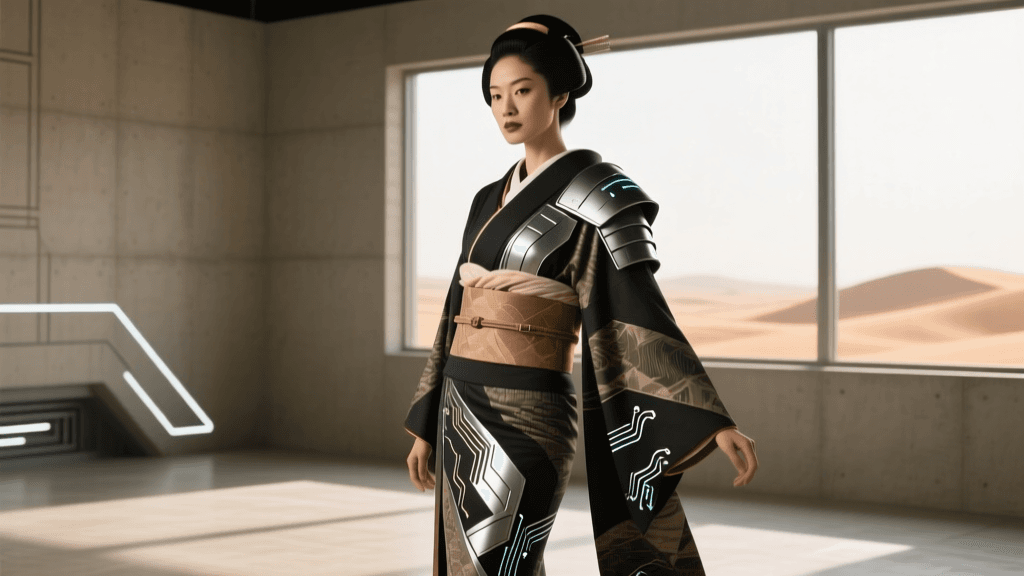
When George Lucas designed the galaxy far, far away, he did not look exclusively to the future; he looked deeply into Japan's past. The intersection of traditional Japanese garments and global pop culture is perhaps most visible in the realm of science fiction and fantasy cinema. From the regal, heavily embroidered robes worn by Queen Padmé Amidala in Star Wars: Episode I to the layered, monochromatic silhouettes seen in Denis Villeneuve’s Dune, the kimono has become Hollywood’s ultimate shorthand for otherworldly elegance, mysticism, and ancient nobility.
According to the Victoria and Albert Museum's landmark exhibition on the kimono, the garment's T-shaped, straight-seamed construction and expansive sleeves offer a striking, architectural silhouette that translates effortlessly to the silver screen. For fans, cosplayers, and vintage collectors, recreating these "screen-accurate" looks provides a unique opportunity to blend historical appreciation with cinematic fandom. This guide will explore how traditional Japanese textiles and silhouettes have shaped sci-fi worldbuilding and provide actionable advice on sourcing, measuring, and styling authentic vintage pieces for your own futuristic wardrobe.
Deconstructing Iconic Cinematic Silhouettes
To accurately recreate sci-fi royalty or mystic warriors, one must first understand which traditional garments serve as the foundation for these costumes. Hollywood costume designers rarely use standard, everyday kimono (komon); instead, they rely on formal, highly structured, or heavily layered garments to convey status and alien mystique.
| Cinematic Archetype | Notable Film Examples | Traditional Garment Equivalent | Key Styling Features |
|---|---|---|---|
| Galactic Royalty | Star Wars (Padmé Amidala) | Uchikake (Outer Robe) | Heavy brocade, trailing hem, wide obi, elaborate hair ornaments |
| Mystic Sisterhood | Dune (Bene Gesserit) | Jūnihitoe (Layered Robes) | Monochromatic layering, stiff collars, sheer haori overlays |
| Desert Nomad / Warrior | Dune (Fremen), Star Wars (Jedi) | Hakama & Haori | Pleated trousers, lightweight wool or linen, earth-toned kasuri weaves |
| Cyberpunk Elite | Blade Runner, Ghost in the Shell | Furisode with Modern Obi | Long swinging sleeves, metallic accents, high-contrast synthetic mixes |
The Role of Textile Arts in Worldbuilding
Sci-fi costume departments frequently utilize traditional Japanese dyeing and weaving techniques to communicate the geography and culture of fictional worlds. For instance, kasuri (Japanese ikat) and shibori (tie-dye) are often employed to represent desert planets or agrarian societies. The slightly blurred, organic patterns of kasuri mimic the wind-swept, rugged environments of planets like Arrakis or Tatooine, while the intricate, resist-dyed patterns of shibori suggest a culture with deep, ancient roots.
Conversely, Nishijin-ori—a luxurious, gold-and-silver-threaded brocade weaving technique originating from Kyoto—is the go-to textile for galactic emperors and high-ranking space nobility. The stiff, heavy nature of Nishijin brocade holds its shape remarkably well under studio lighting, creating the rigid, armor-like waist structures seen in royal sci-fi costumes.
Sourcing Authentic Vintage Pieces for Screen-Accurate Kits
Recreating these looks does not require a Hollywood budget. The global vintage market is rich with authentic, mid-century kimono that can be repurposed for high-end cosplay and fashion editorials. When searching on proxy services like Buyee, ZenMarket, or specialized vintage dealers, use specific Japanese terminology to find the right structural pieces.
Essential Search Keywords
- For Royal/Regal Looks: Search for "Vintage silk uchikake", "Kurotomesode" (black formal kimono with hem motifs), or "Nishijin-ori fukuro obi".
- For Warrior/Nomad Looks: Search for "Men's wool haori", "Tetsugi hakama" (pleated trousers), or "Kasuri cotton kimono".
- For Mystic/Ethereal Looks: Search for "Silk sha or ro haori" (sheer summer garments perfect for layering) and "Shibori silk haori".
Mastering the Measurements
Unlike Western clothing, kimono are not sized by chest or waist measurements. They are essentially one-size-fits-most, with adjustments made during the dressing process (kitsuke). However, for screen-accurate tailoring, you must pay attention to three critical measurements:
- Yuki (Sleeve Length): Measured from the center back of the neck, across the shoulder, down to the wrist. For a dramatic, sci-fi silhouette, look for a yuki measurement that extends at least 2-3 inches past your natural wrist bone.
- Mitake (Back Length): Measured from the base of the neck to the hem. Standard vintage kimono are meant to be folded at the waist. For a sweeping, cinematic uchikake look, you want a mitake that touches the floor without folding.
- Sode (Sleeve Depth): The vertical drop of the sleeve. Furisode (long sleeves) can drop up to 114cm, creating the dramatic, wing-like effect favored by anime and sci-fi character designers.
Styling and Accessorizing for a Futuristic Aesthetic
To elevate a traditional garment into a sci-fi costume, the secret lies in subverting traditional styling rules. Studying the historical layering techniques of the Heian period, such as those preserved in the Kyoto Costume Institute's digital archives, reveals how color combinations and sheer overlays can create an otherworldly depth.
Actionable Styling Tips:
- The Monochromatic Layer: Sci-fi mystics often wear varying shades of a single color. Layer a deep charcoal wool kimono over a black turtleneck bodysuit, topped with a sheer, black organza haori. This creates a uniform-like, futuristic severity.
- Subverting the Obi: Traditional obi are tied in soft, intricate knots. For a futuristic armor look, tie a stiff, metallic fukuro obi in a sharp, boxy bunko (bow) or use a structured, modern corset-belt over the traditional sash to blend cyberpunk aesthetics with Edo-period textiles.
- Hardware Integration: Replace the traditional obi-jime (decorative cord) with metallic cabling, LED wire, or braided leather. Use heavy, industrial metal rings as obi-dome (cord clasps).
Budgeting and Maintenance for Screen-Accurate Garments
Building a screen-accurate, vintage Japanese wardrobe requires strategic budgeting. While brand-new, custom-made silk kimono can cost upwards of $5,000, vintage markets offer incredible value. Below is a practical budget breakdown for assembling a high-quality, sci-fi royal or mystic kit.
| Garment Component | Recommended Material / Era | Estimated Vintage Cost (USD) | Care & Maintenance |
|---|---|---|---|
| Base Kimono (Nagagi) | 1970s-80s Silk Crepe (Chirimen) | $40 - $120 | Spot clean only; air out in shade. Avoid direct sunlight to prevent dye fading. |
| Outer Robe (Uchikake/Haori) | Mid-century Brocade or Shibori | $80 - $250 | Professional dry clean only if heavily soiled; otherwise, steam gently to remove wrinkles. |
| Waist Sash (Obi) | Nishijin-ori Fukuro Obi | $50 - $150 | Store rolled with acid-free tatoushi paper to prevent permanent creasing of metallic threads. |
| Accessories (Obi-jime/Obi-dome) | Vintage braided silk + modern hardware | $15 - $40 | Wipe hardware with a microfiber cloth; untie silk cords after each wear to maintain elasticity. |
The Art of Preservation
When investing in vintage silk, proper storage is non-negotiable. Never store silk kimono on wire hangers, as the weight of the garment will distort the shoulder seams. Instead, fold the garment along its natural seam lines and store it flat in a breathable cotton or paper wrapper (tatoushi). If you are integrating electronics (like EL wire or LEDs) into your obi or hem for a cyberpunk aesthetic, ensure the wiring is insulated and never pinned directly through the vintage silk, as the metal will degrade the protein fibers over time. Use magnetic clasps or fabric-safe adhesives instead.
Conclusion
The enduring presence of the kimono in global sci-fi and fantasy media is a testament to the garment's unparalleled versatility and architectural beauty. By understanding the historical foundations of these textiles—from the wind-swept kasuri weaves of the desert to the rigid Nishijin brocades of the galactic court—collectors and fans can do more than simply cosplay. They can engage in a profound act of cultural appreciation, breathing new, futuristic life into the masterful artistry of Japan's past. Whether you are hunting for the perfect vintage uchikake to channel your inner space queen or layering sheer haori for a dystopian editorial, the intersection of traditional Asian garments and pop culture offers an infinite canvas for sartorial worldbuilding.