Recreate Iconic C-Drama Hanfu: Screen to Street Style
The C-Drama Effect: How Screen Costumes Shape Hanfu Trends
Over the past decade, Chinese television dramas (C-dramas) have become a global phenomenon, captivating audiences with intricate plotlines, sweeping cinematography, and, most importantly, breathtaking traditional costumes. From the ethereal fantasy realms of Xianxia to the meticulously researched historical courts of the Ming and Tang dynasties, screen fashion has directly catalyzed the modern Hanfu movement. According to a report by BBC Culture, the resurgence of traditional Chinese clothing is heavily driven by young consumers who want to emulate the elegance and heroism of their favorite on-screen characters.
But how do you translate a multi-layered, gravity-defying screen costume into a wearable, everyday outfit? This guide breaks down the anatomy of C-drama fashion, providing actionable advice on sourcing, measurements, and styling to help you recreate iconic looks without sacrificing modern practicality.
Decoding Iconic C-Drama Garments: Fantasy vs. Historical
To accurately recreate a C-drama look, you must first understand the genre you are drawing from. Screen costumes generally fall into two categories: Xianxia (fantasy) and Historical (dynasty-specific).
Xianxia and Wuxia: The Ethereal and the Martial
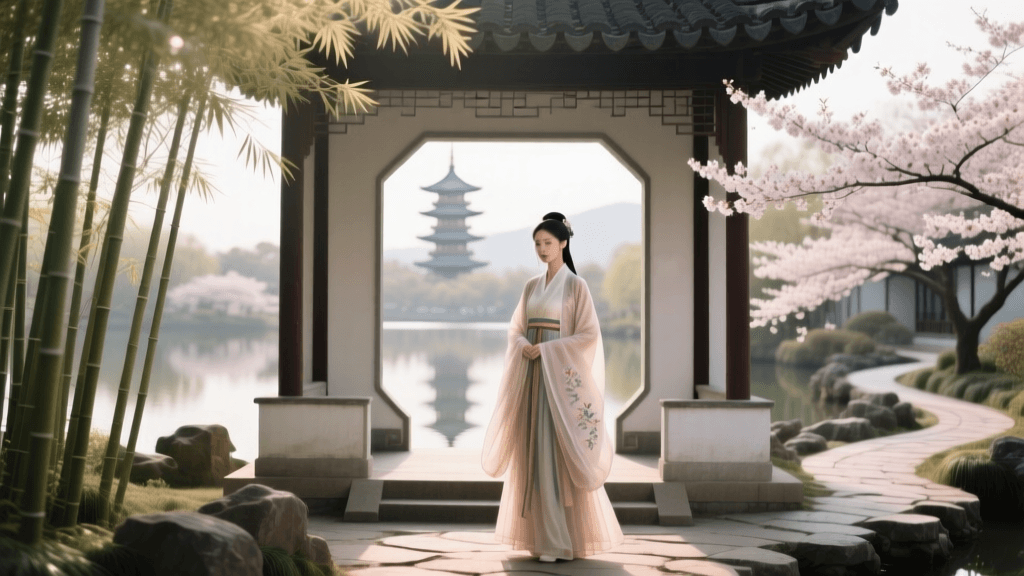
In fantasy epics like Love Between Fairy and Devil or The Untamed, costume designers prioritize visual impact and movement over strict historical accuracy. Characters often wear Da Xiu Shan (large-sleeved robes) made from lightweight, translucent fabrics like silk organza, chiffon, and tulle. The color palettes are highly symbolic: stark whites and icy blues for righteous cultivators, and deep blacks, crimsons, and silvers for rebellious or demonic characters. The key to Xianxia styling is layering; a single outfit may consist of an inner garment (zhongyi), a middle robe, an outer sheer coat, and a dramatic waist sash.
Historical Court Dramas: Accuracy and Opulence
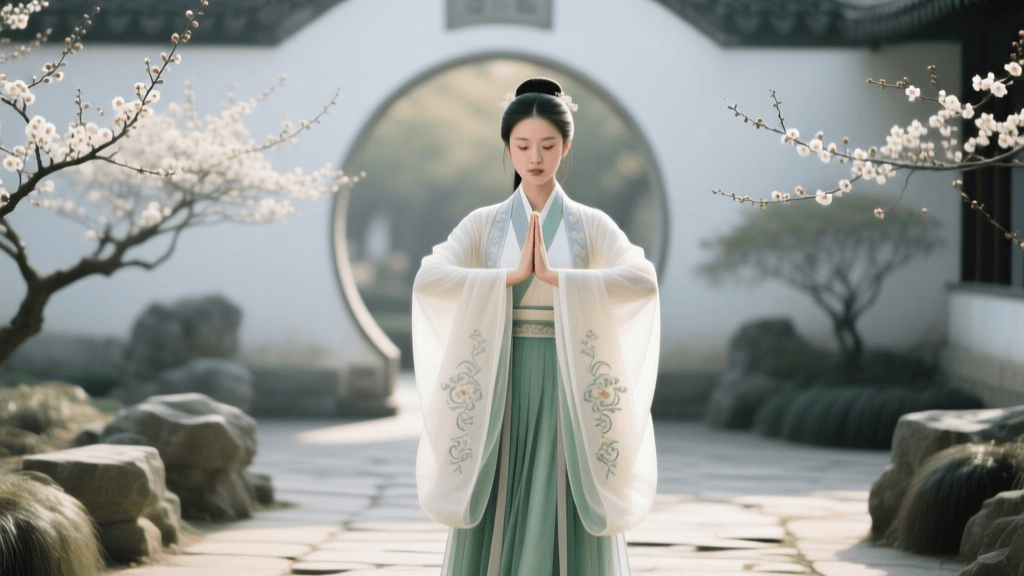
Conversely, historical dramas like The Longest Day in Chang'an (Tang Dynasty) or Empresses in the Palace (Qing Dynasty) rely on extensive research. The Tang dynasty favors the Qixiong Shanqun (chest-high skirt) and Banbi (half-sleeve jackets) with vibrant, contrasting colors and bold floral embroidery. Ming dynasty dramas highlight the Mamian Qun (horse-face skirt) and Aoqun (jacket and skirt sets) featuring heavy brocades, gold-woven threads (zhi jin), and structured collars. As noted by Vogue, the modern Hanfu market has seen a massive surge in demand for these historically grounded, Ming-style garments due to their regal appearance and suitability for formal events.
Practical Guide: Sourcing Screen-Accurate Hanfu
Finding the right garments requires navigating the Chinese e-commerce landscape, specifically Taobao and Tmall. Here is how to source pieces based on your desired C-drama aesthetic:
- For Historical Accuracy (Ming/Song Dynasties): Look to premium brands like Ming Huatang and Zhongling. These brands specialize in museum-grade replicas using authentic weaving techniques. Expect to pay between $200 and $800 USD for a full set, with lead times often exceeding 60 days due to custom loom weaving.
- For Xianxia/Fantasy Aesthetics: Brands like Shisan Yu, Chuyi, and Huashi Ji offer stunning, screen-inspired fantasy Hanfu. These are highly accessible, typically costing between $50 and $150 USD for a multi-piece set, and are made from easy-care polyester blends that mimic the flow of screen-used silk chiffon.
- For Screen-Exact Replicas: Many official drama production companies partner with Taobao studios to release 'co-branded' or 'fan-authorized' replica lines immediately following a show's finale. Search the drama's Chinese pinyin title plus the word 'Hanfu' (e.g., 'Cang Lan Jue Hanfu') to find these limited-edition drops.
The Practicalities: Measurements, Timing, and Costs
Ordering Hanfu online requires specific attention to measurements and the unique 'pre-sale' culture of Chinese fashion e-commerce.
Navigating the Pre-Sale (Yu Shou) System
Most high-quality Hanfu brands operate on a pre-sale model to minimize inventory waste. When you place an order, you typically pay a non-refundable deposit (usually 10-20% of the total cost). The manufacturing period lasts anywhere from 15 to 45 days. Once the garments are ready, the seller will notify you to pay the final balance before shipping. Always factor this 1-to-2-month wait time into your planning if you are buying an outfit for a specific convention or photoshoot.
Crucial Measurements for the Perfect Fit
Unlike Western clothing, Hanfu relies less on bust/waist curves and more on length and shoulder proportions.
- Skirt Length: For a Mamian Qun, measure from your natural waist to the floor. If you are 160cm tall, a 105cm skirt length will perfectly graze your ankles, preventing the heavy brocade from dragging on the street—a common issue with screen costumes designed for actors on raised sets.
- Sleeve Width: Screen-accurate Da Xiu Shan sleeves can be up to 60cm wide, which is highly impractical for daily life. For a street-adapted Xianxia look, opt for brands offering 'narrow sleeve' (xiao xiu) or 'straight sleeve' (zhi xiu) variations, which maintain the historical silhouette but keep the fabric width around 25-30cm.
Comparison Chart: Screen Costume vs. Everyday Hanfu
When adapting a C-drama look for real-world wear, certain modifications are necessary to balance aesthetics with mobility. Use this comparison chart to guide your purchasing decisions:
| Feature | C-Drama Screen Costume | Everyday 'Street' Hanfu |
|---|---|---|
| Fabric Weight | Extremely light (silk chiffon, organza) for wind-machine effects. | Medium weight (cotton-linen blends, jacquard) for structure and warmth. |
| Sleeve Length | Often extends 20-30cm past the fingertips for dramatic gesturing. | Ends exactly at the wrist or mid-hand for practical daily use. |
| Skirt Pleats | Sharp, heat-set knife pleats that require professional dry cleaning. | Durable, machine-washable pleats or flat-paneled Mamian skirts. |
| Layering | 4 to 6 layers (inner, middle, outer, cloak, armor pieces). | 2 to 3 layers maximum to prevent overheating in modern climates. |
| Estimated Cost | $500 - $2,000+ (Custom tailored, hand-embroidered). | $60 - $250 (Mass-produced, machine-embroidered). |
Styling Tips: Bridging the Gap Between Set and Street
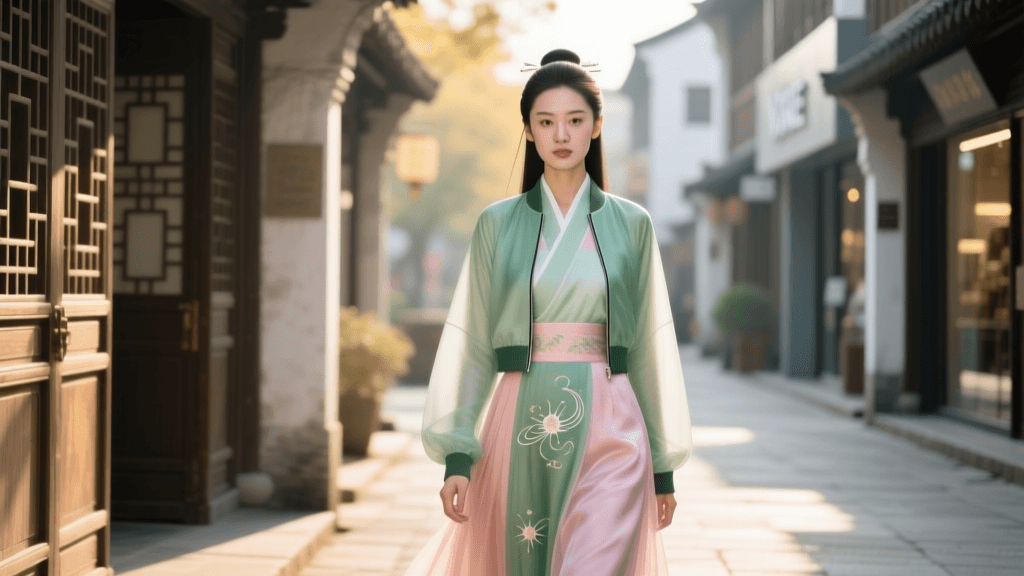
The magic of a C-drama costume lies as much in the styling as in the garments themselves. To achieve a screen-accurate vibe without looking like you are wearing a theatrical costume to the grocery store, focus on hair and accessories.
Hair and Headwear
Actors in Xianxia dramas often wear intricate half-updos secured with silver guan (crowns) or jade ji (hairpins). For everyday wear, purchase a lightweight, resin-cast hair crown that mimics the look of heavy metal but won't cause neck strain. Use a modern claw clip as a base to secure your hair, then slide the decorative ji through the clip for instant, secure volume. For historical Ming styles, a simple pearl-encrusted diyi (headband) or a velvet winter hood (wo mian) provides an elegant, screen-accurate touch that is highly practical for cold weather.
Makeup and the 'Huadian'
Fantasy dramas frequently feature the huadian—a decorative forehead mark indicating a character's divine or magical status. While a permanent tattoo is not recommended, you can use cosmetic-grade liquid eyeliner or pre-cut gold foil stickers to apply a subtle huadian for photoshoots or conventions. Pair this with a 'drunk blush' makeup technique (applying blush high on the cheekbones and across the bridge of the nose), which is a staple in C-drama makeup design to convey youth and ethereal beauty.
'The Hanfu movement is not just about wearing old clothes; it is a dynamic dialogue between the past and the present, heavily mediated by the visual language of modern media and television.' — The Hanfu Movement, Cultural Analysis
Conclusion: Making the Fantasy Your Reality
Chinese film and TV dramas have undeniably democratized and revitalized traditional fashion, offering a visual blueprint for millions of enthusiasts. By understanding the distinction between screen fantasy and historical reality, carefully selecting your Taobao vendors, and adapting measurements for everyday comfort, you can successfully channel the magic of your favorite C-dramas. Whether you are stepping out in a sweeping Xianxia cloak or a dignified Ming dynasty Mamian skirt, the screen-to-street transition is all about balancing cinematic romance with modern practicality.