Hanfu Community Events: A Guide to Conventions and Meetups
The Rise of the Hanfu Community Movement
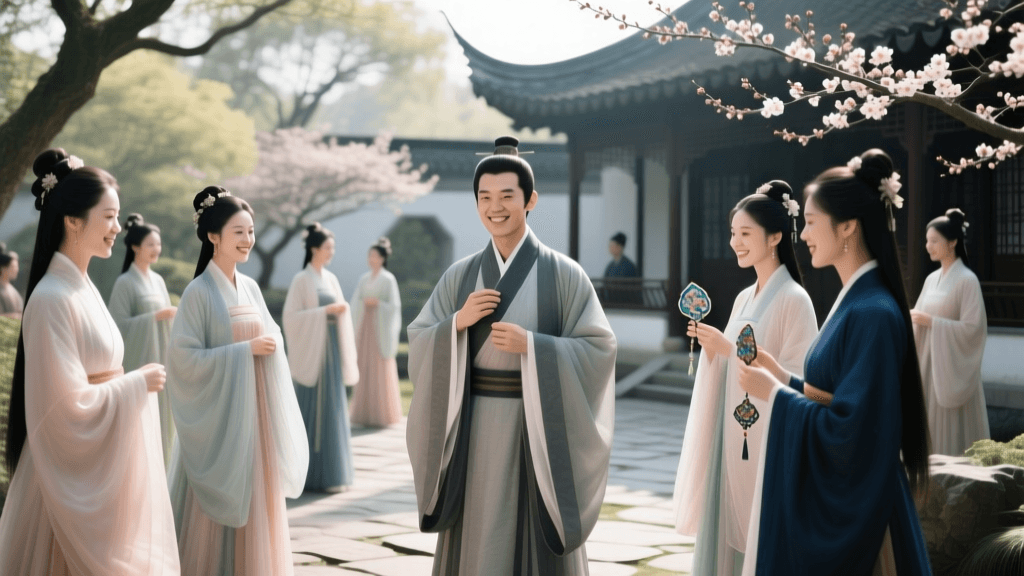
Over the past decade, traditional Chinese clothing has transitioned from museum archives and historical dramas to the bustling streets of modern cities. The Hanfu movement is no longer just a niche hobby; it is a vibrant, community-driven cultural renaissance. As noted in a comprehensive feature by BBC News on the Hanfu movement, millions of young enthusiasts are reclaiming their sartorial heritage, transforming public parks, university campuses, and ancient water towns into living runways of Chinese history.
For those looking to immerse themselves in this world, attending Hanfu community events, conventions, and local meetups is the ultimate gateway. These gatherings offer a unique blend of historical education, fashion styling, and social connection. However, navigating the etiquette, styling requirements, and logistics of these events can be daunting for newcomers. This guide provides actionable advice on how to prepare for, participate in, and respect the traditions of Hanfu community gatherings.
Understanding Event Tiers: From Mega-Festivals to Local Picnics
The Hanfu community organizes a wide spectrum of events, ranging from massive, multi-day cultural festivals to casual weekend photography meetups. Understanding the scale and focus of these events is crucial for planning your wardrobe and budget.
| Event Type | Example | Timing | Est. Cost (USD) | Primary Focus |
|---|---|---|---|---|
| Mega-Festival | Xitang Hanfu Culture Week | Late Oct / Early Nov | $150 - $400 (Travel/Lodging) | Parades, brand showcases, forums, and historical reenactments. |
| City Meetup | Local Park / Museum Gatherings | Monthly (Spring/Autumn) | $0 - $20 (Entry/Picnic) | Photography, socializing, casual wear, and community bonding. |
| University Gala | Campus Hanfu Society Festivals | Mid-May or November | $10 - $50 (Tickets/Props) | Stage performances, talent shows, DIY workshops, and networking. |
| Themed Banquet | Traditional Holiday Feasts (e.g., Qixi) | Lunar Calendar Dates | $40 - $100 (Venue/Food) | Ritual ceremonies, traditional games (Touhu), and formal dining. |
How to Prepare for Your First Hanfu Convention
Attending a major convention like the Xitang Hanfu Culture Week in Zhejiang Province requires strategic planning. Xitang is famous for its policy of granting free entry to the scenic town for visitors wearing a complete, historically accurate Hanfu outfit. However, the surrounding logistics demand preparation.
Accommodation and Transportation
During major conventions, local accommodation prices surge. A standard boutique inn inside the Xitang water town can jump from $60 to over $200 per night. Actionable Tip: Book your lodging at least two months in advance, or stay in the neighboring Jiashan county and take a 20-minute taxi ride to the event grounds to save on costs. For local meetups, organizing a carpool with other community members via social media groups (like Xiaohongshu or Reddit's r/Hanfu) is a common and cost-effective practice.
Seasonal Styling and Fabric Selection
Choosing the right garment for the event's season and setting is critical for both comfort and photographic aesthetics.
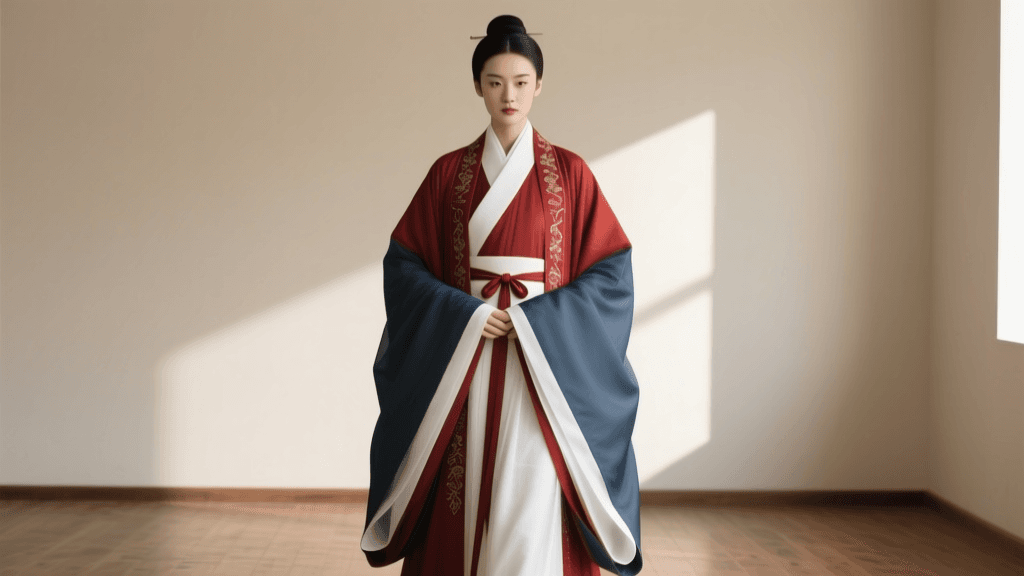
- Spring and Autumn: These are the peak seasons for outdoor meetups. The Beizi (a long, open-front cloak) layered over a Ruqun (top and skirt) is ideal. It allows for easy temperature regulation. Look for fabrics like cotton-linen blends or lightweight jacquard weaves.
- Summer: Outdoor summer events are notoriously hot and humid. Opt for the Tang Dynasty Qixiong Ruqun (chest-high skirt) made from breathable, sheer organza or authentic Xiangyunsha (gambiered silk). Note that genuine Xiangyunsha is a luxury textile, often costing $150 to $300 per yard, but its sweat-wicking and cooling properties are unmatched.
- Winter: For late autumn or winter conventions, the Ming Dynasty Aoqun (lined top and horse-face skirt) paired with a Doupeng (a sweeping winter cloak with a stand collar) is essential. Faux fur trims on the Doupeng add a touch of historical aristocratic elegance while providing necessary warmth.
The 'Tongpao' Culture: Etiquette and Community Rules
Within the community, enthusiasts refer to one another as Tongpao (同袍), a term originating from the ancient Book of Songs meaning 'wearers of the same robe.' This term signifies a deep sense of camaraderie and mutual respect. However, the rapid growth of the community has also necessitated strict, unwritten rules of etiquette, especially regarding photography and historical accuracy.
Photography Consent and Boundaries
Hanfu events are highly visual, and photography is a central activity. However, consent is paramount. Never take close-up photographs of a Tongpao without asking. A simple, polite inquiry such as, 'Excuse me, your outfit is beautiful, may I take a photo?' is the standard approach. If a participant is adjusting their garments, eating, or resting, it is considered highly disrespectful to photograph them. Furthermore, many enthusiasts spend hours on intricate hairstyles and traditional makeup (such as Huadian forehead decals); respecting their preparation time and personal space is a core tenet of event etiquette.
Historical Accuracy vs. Creative Expression
The community is broadly divided into 'historical accuracy' purists and 'creative/fantasy' enthusiasts. At formal conventions and heritage workshops, wearing historically accurate garments (avoiding modern zippers, anachronistic patterns, or cosplay-style fantasy wings) is heavily encouraged. Save the creative, fusion Hanfu or 'Han-element' outfits for casual city meetups or specific themed parties to avoid unintentional friction with traditionalist scholars and weavers at the event.
The Ultimate Hanfu Event Packing List
Traditional garments rely on complex wrapping, tying, and layering techniques rather than modern fasteners. A wardrobe malfunction at a crowded convention can be stressful. Every enthusiast should carry a 'Hanfu Emergency Kit' in their tote bag. Here are the non-negotiable essentials:
- U-Shaped Hairpins and Bobby Pins: Traditional updos require structural support. Bring at least 10 extra U-shaped pins to secure heavy velvet flowers (Ronghua) or metal hair crowns.
- Double-Sided Fashion Tape: Essential for securing overlapping collars (Jiaoling) and preventing wardrobe slippage during active movement or windy outdoor shoots.
- Portable Battery-Powered Steamer: Hanfu fabrics, especially large pleated Mamianqun (horse-face skirts), wrinkle easily during travel. A quick steam before the event ensures the pleats hang perfectly.
- Safety Pins and Spare Ribbon Ties: Skirt ties can snap or come undone. Having a spare set of silk ribbons and heavy-duty safety pins hidden beneath the top layer is a lifesaver.
- Blotting Papers and Setting Powder: Traditional makeup styles often feature pale, matte foundations. Oil-control blotting papers are necessary to maintain the aesthetic during long, multi-hour conventions.
Preserving Heritage Through Gathering
Beyond the visual spectacle, Hanfu conventions serve as vital hubs for the preservation of intangible cultural heritage. Many large-scale events host masterclasses in traditional crafts. According to the UNESCO Intangible Cultural Heritage registry for China, traditional crafts such as silk weaving, Suzhou embroidery, and traditional dyeing techniques are protected heritage practices. Hanfu conventions frequently invite master artisans to demonstrate these skills, allowing attendees to learn about the meticulous craftsmanship that goes into creating authentic textiles.
By participating in these events, you are not merely attending a costume party; you are engaging in a living, breathing cultural dialogue. Whether you are meticulously pleating your Ming Dynasty skirt for a grand parade in Xitang, or simply sharing a pot of tea with fellow Tongpao in a local botanical garden, Hanfu community events offer a profound, tactile connection to Asian traditions. Approach these gatherings with respect, curiosity, and a well-prepared emergency kit, and you will find a welcoming community eager to share the beauty of their heritage.