Decoding Ming Dynasty Hanfu: Color Codes, Rank, and Symbolism
The Visual Ledger of the Ming Dynasty
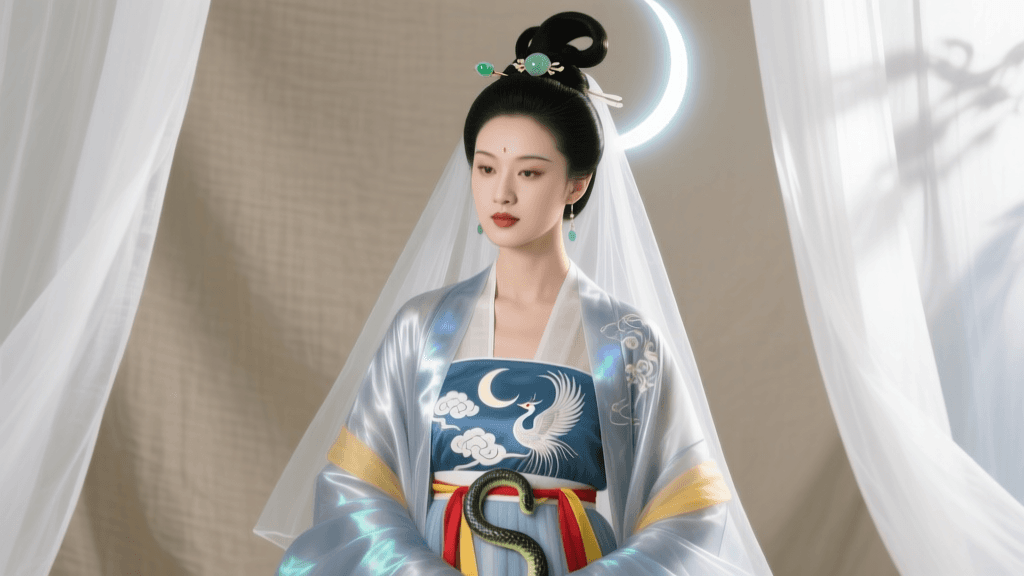
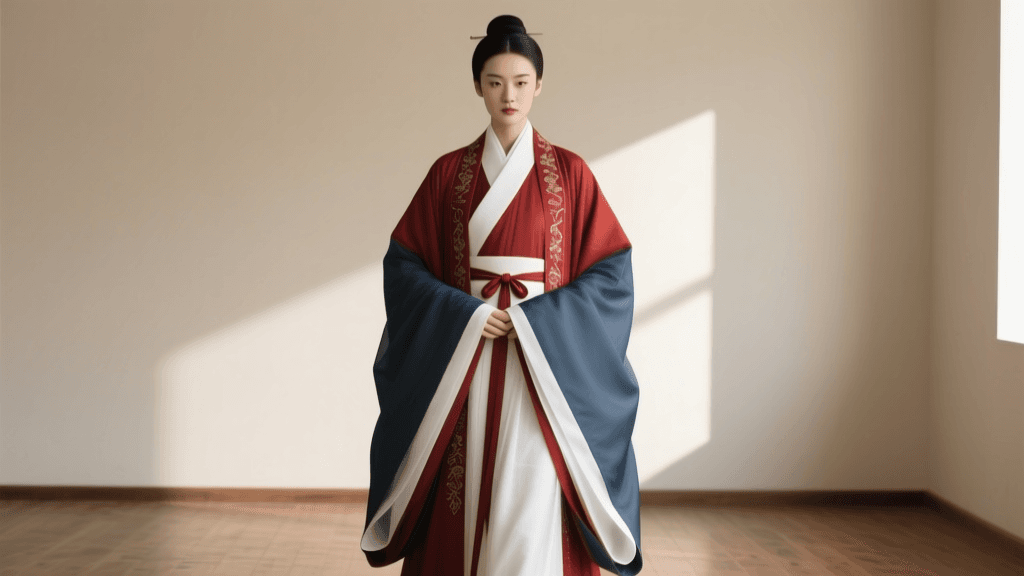
The Ming Dynasty (1368–1644) represents a pivotal and highly regulated era in the history of traditional Chinese clothing. Following the expulsion of the Mongol-led Yuan Dynasty, the Hongwu Emperor sought to restore Han Chinese cultural identity. However, this restoration was not merely about aesthetics; it was about establishing a rigid social hierarchy. Clothing during the Ming era functioned as a visual ledger, a strictly enforced sumptuary code that instantly communicated a person's social rank, profession, and proximity to imperial power. According to the Metropolitan Museum of Art's Heilbrunn Timeline of Art History, the Ming court utilized textiles and garment colors as primary tools for statecraft and social control, weaving political ideology directly into the fabric of daily life.
The Imperial Palette: Yellow and the Emperor
At the absolute apex of the Ming color hierarchy was bright yellow, specifically Minghuang (bright yellow) and Xinghuang (apricot yellow). These shades were exclusively reserved for the Emperor, the Empress, and the Empress Dowager. The monopoly on yellow was so absolute that the unauthorized use of these shades, or even the unauthorized possession of yellow silk threads, was considered an act of treason punishable by death. The imperial dragon robe (Gunlong Pao), heavily embroidered with gold thread and featuring the five-clawed dragon, was the ultimate manifestation of this color restriction. Even the Emperor's inner garments and accessories were strictly regulated to ensure that the imperial yellow was never overshadowed or improperly displayed.
Official Rank Colors and the Pufu Surcoat
Below the imperial family, the Ming bureaucracy was divided into nine distinct ranks, further split into civil and military branches. While early Ming officials wore varying colors, the system eventually standardized around the Pufu (a surcoat worn over the main robe) and the Buzi (mandarin squares or rank badges). The base color of the official's robe indicated their general tier of authority:
- Ranks 1 to 4: Scarlet or Vermilion (Fei). These high-ranking officials enjoyed immense prestige and were permitted to wear luxurious silk brocades.
- Ranks 5 to 7: Cyan or Deep Blue (Qing). Mid-tier officials who managed provincial and regional affairs.
- Ranks 8 to 9: Green (Lü). Lower-tier magistrates and local administrators.
However, color alone was not enough to distinguish the precise rank. This is where the Buzi came into play. As detailed by the Royal Ontario Museum's extensive research on Chinese Rank Badges, these intricately embroidered squares were affixed to the front and back of the Pufu. Civil officials were assigned birds, symbolizing literary elegance and grace, while military officials were assigned beasts, symbolizing courage and ferocity.
Ming Dynasty Official Rank Badges and Colors
| Rank | Civil Official (Bird) | Military Official (Beast) | Primary Robe Color |
|---|---|---|---|
| 1st Rank | Crane (Xianhe) | Qilin (Mythical Beast) | Scarlet |
| 2nd Rank | Golden Pheasant | Lion | Scarlet |
| 3rd Rank | Peacock | Leopard | Scarlet |
| 4th Rank | Cloud Goose | Tiger | Scarlet |
| 5th Rank | Silver Pheasant | Bear | Cyan/Blue |
| 6th Rank | Egret | Panther | Cyan/Blue |
| 7th Rank | Mandarin Duck | Tiger Cat | Cyan/Blue |
| 8th Rank | Quail | Fox | Green |
| 9th Rank | Paradise Flycatcher | Rhinoceros | Green |
Commoner Restrictions and 'Forbidden' Colors
For the vast majority of the population—peasants, artisans, and merchants—sumptuary laws were incredibly restrictive. Commoners were strictly forbidden from wearing yellow, purple, and certain shades of black (which was reserved for specific scholarly or official contexts). Furthermore, they were barred from using luxurious weaving techniques like Zhuanghua (brocade) or Kesi (silk tapestry), and were forbidden from wearing gold-thread embroidery. Commoners were largely restricted to dull, muted colors derived from inexpensive plant dyes, such as indigo blue, earthy browns, and faded greens. Their garments were primarily constructed from hemp, ramie, or later in the dynasty, cotton, reflecting their agrarian lifestyle and lower social standing.
Modern Hanfu Revival: Wearing Rank and Color Today
Today, the Hanfu movement has seen a massive resurgence, with enthusiasts meticulously recreating Ming Dynasty garments. However, modern wearers are no longer bound by imperial sumptuary laws. A university student can wear a scarlet Pufu with a first-rank crane badge to a cultural festival without fear of imperial retribution. According to BBC Travel's comprehensive feature on the modern Hanfu movement, young Chinese citizens are using these historical garments to reconnect with their heritage, blending ancient aesthetics with modern lifestyles.
For those looking to purchase and wear authentic Ming-style Hanfu, understanding the historical context of colors and garments is essential for making informed, culturally respectful choices, especially for significant events like weddings or coming-of-age ceremonies.
Actionable Guide: Buying Ming-Style Hanfu for Ceremonies
If you are planning to invest in Ming Dynasty-style Hanfu, particularly the iconic Aoqun (jacket and skirt) combination, here are the practical details you need to know regarding measurements, fabrics, and costs.
1. The Mamianqun (Horse-Face Skirt) Measurements
The Mamianqun is the cornerstone of Ming women's fashion. It features flat front and back panels with deeply pleated sides. When ordering custom or selecting a size:
- Waist Measurement: Measure your natural waist and add 2 to 3 cm for the skirt's overlapping closure. The skirt relies on ties, not zippers, so precise overlap is crucial to prevent the flat panels from parting.
- Skirt Length: Traditional Ming skirts grazed the ground, but for modern practicality, measure from your natural waist down to your ankle bone, then subtract 3 to 5 cm to prevent tripping. A standard modern length is usually between 95 cm and 105 cm.
- Pleat Depth: Authentic Ming skirts feature wide, structured pleats. Look for pleat depths of 4 cm to 6 cm. Anything narrower resembles a modern pleated school skirt rather than historical Hanfu.
2. The Ao (Jacket) Construction
The Ming Ao is characterized by its Pipa (lute-shaped) sleeves, which are wide at the armhole and taper at the wrist, and its standing collar (Liling) or cross-collar (Jiaoling). Ensure the jacket length falls below the hips to properly cover the waistband of the Mamianqun. The sleeve length should extend to the middle of the fingers when arms are relaxed at the sides, a hallmark of traditional Han tailoring.
3. Fabric Choices and Costs
Your choice of fabric will dictate both the historical accuracy and the price of the garment:
- Polyester Jacquard ($50 - $120 USD): Most mass-produced Hanfu brands use woven polyester jacquard. It is durable, machine-washable, and holds pleats well, making it ideal for beginners and daily wear. However, it lacks the breathability of natural fibers.
- Mulberry Silk and Yunjin Brocade ($300 - $1,200+ USD): For weddings or high-end ceremonies, seek out 100% mulberry silk or authentic Nanjing Yunjin (cloud brocade). Yunjin is a UNESCO Intangible Cultural Heritage technique that weaves gold and silver threads into the silk. A genuine Yunjin Mamianqun is a heavy, opulent investment piece that accurately reflects the luxury of Ming nobility.
4. Navigating the 'Yushou' (Pre-Sale) System
High-quality Hanfu is rarely kept in stock. Most reputable Taobao and Weibo-based ateliers operate on a Yushou (pre-sale) model. You must pay a deposit during a limited-time campaign, wait 30 to 60 days for the atelier to weave the fabric and tailor the garments, and then pay the final balance before shipping. Always plan your purchases at least three months before major events like weddings or graduations to account for production and international shipping delays.
Conclusion
The color codes and rank symbolism of the Ming Dynasty offer a fascinating glimpse into a society where clothing was a matter of state security and cosmic order. While the rigid sumptuary laws have long since faded into history, the aesthetic brilliance of Ming Hanfu endures. By understanding the historical weight of imperial yellow, the intricate language of the Buzi rank badges, and the precise tailoring of the Mamianqun, modern wearers can honor the profound cultural legacy woven into every thread of traditional Chinese garments.