Miao Silver and Embroidery: Guide to Hmong Traditional Garments
Introduction to Miao Clothing Traditions
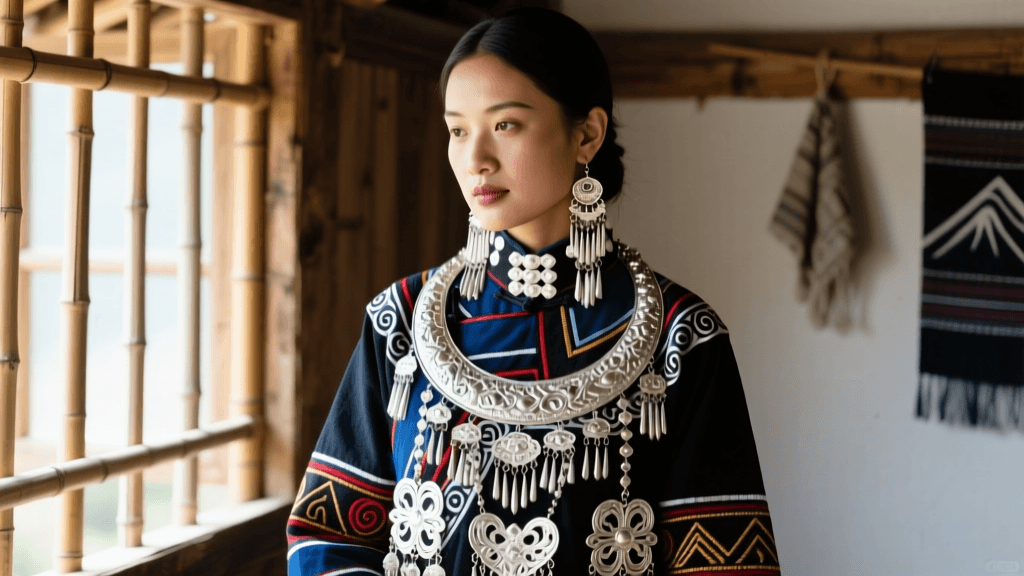
The Miao people, widely known in the West as the Hmong, represent one of China's most culturally vibrant ethnic minority groups. Concentrated primarily in the mountainous provinces of Guizhou, Yunnan, and Hunan, the Miao have cultivated a breathtaking sartorial heritage that serves as far more than mere adornment. Historically lacking a formal written language, the Miao encoded their mythology, migration history, and clan identities into their textiles and metalwork. Today, Miao traditional garments remain a vital expression of cultural pride, characterized by hyper-intricate embroidery and heavy, ornate silver jewelry. For collectors, cultural enthusiasts, and fashion historians, understanding the nuances of Miao clothing offers a profound glimpse into the resilience and artistry of Asian indigenous traditions.
The Wearable History Book: Miao Embroidery Techniques
Miao embroidery, or Miao Xiu, is globally revered for its complexity and vivid color palettes. Recognized on UNESCO's Intangible Cultural Heritage lists for its cultural significance, the craft involves techniques passed down from mother to daughter over generations. Unlike Han Chinese embroidery, which often prioritizes smooth, painted-like satin stitches, Miao embroidery embraces texture and three-dimensionality.
Core Embroidery Styles and Motifs
- Paper-Cut Appliqué (Jianzhi Xiu): Artisans first cut intricate patterns from thick paper, lay them over the fabric, and stitch tightly over the edges. This creates bold, raised geometric and zoomorphic shapes.
- Seed Stitch (Dazi Xiu): A painstaking technique where tiny, individual knots are tied across the fabric, resembling seeds or French knots, often used to fill large areas with textured color.
- Plaited Stitch (Bianzhi Xiu): Threads are braided into tiny cords and then couched onto the fabric, creating a ribbed, rope-like effect that is highly durable.
The motifs are deeply symbolic. The 'Butterfly Mother' (Mamai) is a central figure in Miao creation mythology, representing the ancestor of all living things. Dragons, water buffalo, and mythical birds are also prevalent, serving as protective talismans. Institutions like The Metropolitan Museum of Art's Asian Art Department frequently highlight these textiles for their masterful blend of narrative storytelling and technical execution.
Actionable Guide: Sourcing Authentic Miao Textiles
For collectors and enthusiasts looking to acquire authentic Miao garments, navigating the market requires a trained eye and an understanding of regional variations. The most prized pieces come from the Taijiang and Leishan counties in Guizhou.
Product Names and Pricing Guide
- Baiyi (Hundred-Bird Jacket): A highly ceremonial jacket featuring dense embroidery and feather accents. Cost: $800 to $3,500+ for vintage, hand-stitched pieces.
- Zhequn (Pleated Skirt): The iconic indigo-dyed pleated skirt. A high-quality ceremonial skirt requires up to 20 meters of hand-woven cotton, compressed into hundreds of micro-pleats. Cost: $150 to $600 depending on the depth of the indigo dye and the fineness of the pleats.
- Xiuqiu (Embroidered Ball): Smaller, spherical tokens of affection, often tossed during courtship festivals. Cost: $15 to $45.
Pro Tip for Buyers: To distinguish hand-embroidery from machine-made replicas, examine the reverse side of the fabric. Hand-stitched Miao work will show slight irregularities and a nearly identical pattern on the back, whereas machine embroidery will display chaotic, loose bobbin threads and perfect, uniform stitching on the front.
The Weight of Tradition: Miao Silver Jewelry
No Miao festival ensemble is complete without silver. In Miao culture, silver represents light, purity, and the power to ward off evil spirits. It is also a portable form of wealth, historically crucial for a migratory people. A full ceremonial silver headdress and bodice can weigh between 5 to 10 kilograms (11 to 22 pounds), requiring immense physical endurance to wear during days of dancing.
The silversmithing process is a male-dominated craft in Miao society, involving over 30 distinct procedures, including smelting, wire-drawing, and intricate filigree work. According to ethnographic records preserved in The British Museum's ethnographic archives, Miao silversmiths historically melted down silver coins and ingots to forge these elaborate pieces, a practice that has evolved to use pure silver bullion today.
Data Table: Miao Silver Jewelry Components and Pricing
| Component | Description | Average Weight | Authentic Silver Cost (USD) | Alloy/Replica Cost (USD) |
|---|---|---|---|---|
| Silver Horns (Yinjiao) | Headdress mimicking buffalo horns, symbolizing strength | 1.5 - 3.0 kg | $800 - $1,600 | $40 - $90 |
| Neck Rings (Xiangquan) | Thick, twisted torques worn in multiples of 3 to 7 | 0.5 - 1.2 kg (each) | $300 - $700 (each) | $25 - $50 |
| Chest Plaque (Xiongpai) | Large, flat breastplate with dangling bells and charms | 0.8 - 1.5 kg | $450 - $900 | $35 - $75 |
| Hairpins (Yinzan) | Long, ornate pins used to secure the heavy topknot | 50 - 150 g | $50 - $120 | $5 - $15 |
Note: Authentic silver pricing fluctuates with the global commodities market. Currently, Miao artisan silverwork costs approximately $0.60 to $1.20 per gram, factoring in the intense labor of filigree crafting.
Practical Guide: Wearing and Caring for Miao Garments
Wearing a traditional Miao outfit is a complex, multi-layered process that often requires the assistance of a second person, particularly for the pleated skirts and heavy silver hardware.
How to Wear the Zhequn (Pleated Skirt)
- Preparation: The skirt is essentially a massive, flat circle of pleated indigo cotton. Lay it flat and locate the waistband ties.
- Wrapping: Step into the center or wrap it around the waist from the back. The skirt is designed to overlap significantly in the front.
- Securing: Pull the woven cotton ties tightly around the natural waist. The tension is what maintains the structural integrity of the micro-pleats.
- Apron Overlay: A heavily embroidered front apron (weiqun) is tied over the skirt to protect the pleats and add a focal point of color.
Maintenance and Storage
- Indigo Dye Care: Authentic indigo is not colorfast in the modern chemical sense. Never wash a Miao pleated skirt in water. Instead, air it out in the shade and use a soft, dry brush to remove dust. Water will strip the indigo and ruin the stiff, glazed finish achieved through traditional egg-white and ox-hide glazing techniques.
- Silver Polishing: Miao silver is meant to develop a slight patina, but if heavy tarnish occurs, use a mild paste of baking soda and water. Avoid commercial silver dips, which can damage the delicate solder joints of the filigree.
- Textile Storage: Store embroidered jackets flat, layered with acid-free tissue paper. Never hang heavy, bead-encrusted Miao jackets on wire hangers, as the weight of the embroidery will warp the hand-woven cotton base over time.
Timing Your Visit: Festivals and Cultural Immersion
To witness these garments in their intended context, timing a visit to Guizhou around traditional festivals is essential. The garments are not everyday wear; they are reserved for moments of profound communal significance.
- The Sisters' Meals Festival (April): Often described as the oldest Asian Valentine's Day, this festival occurs in the second lunar month (usually April). Young women wear their finest silver and embroidery to dance and exchange embroidered purses with suitors. The best locations to witness this are Taijiang and Shidong.
- The Lusheng Festival (Autumn): Occurring post-harvest (typically October or November), this festival features the lusheng (a traditional bamboo mouth organ). The rhythmic stamping of the pleated skirts during the circle dances is a mesmerizing display of textile kinetics.
- Miao New Year (November/December): The most significant holiday, lasting up to two weeks. It is the prime time to see the heaviest, most ancestral silver headdresses brought out of family vaults.
Conclusion
The clothing traditions of the Miao people represent a masterclass in wearable art, blending profound mythological storytelling with extraordinary technical skill. Whether you are a collector seeking a vintage Baiyi jacket, a jeweler studying ancient filigree techniques, or a traveler hoping to witness the flash of silver horns against the misty mountains of Guizhou, approaching Miao garments with an understanding of their weight, cost, and cultural context enriches the experience immeasurably. By supporting authentic artisans and respecting the care requirements of these delicate textiles, we help ensure that the Miao's wearable history books continue to be written for generations to come.