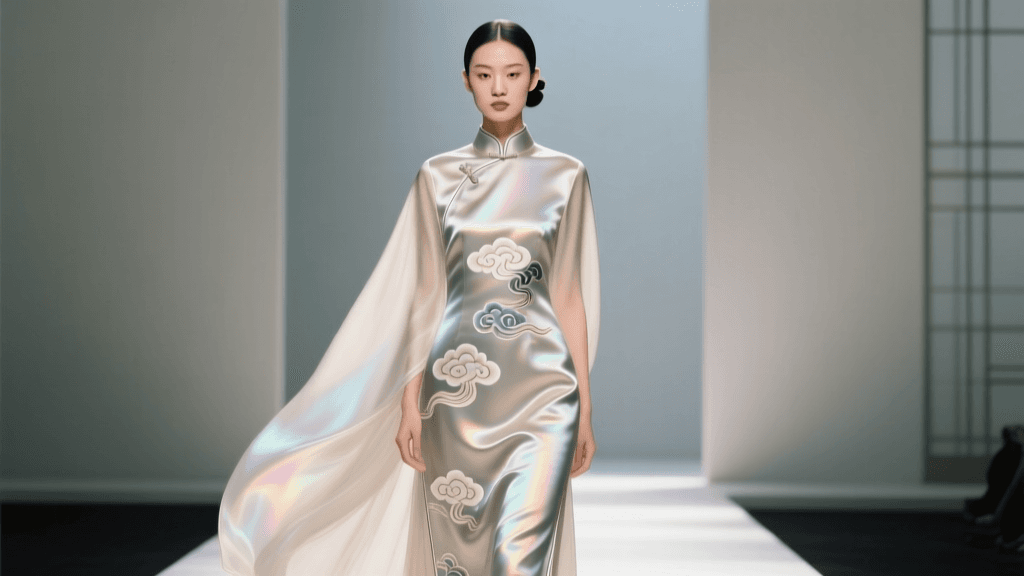
Modern Qipao Styling: Evolution and Everyday Wear Guide
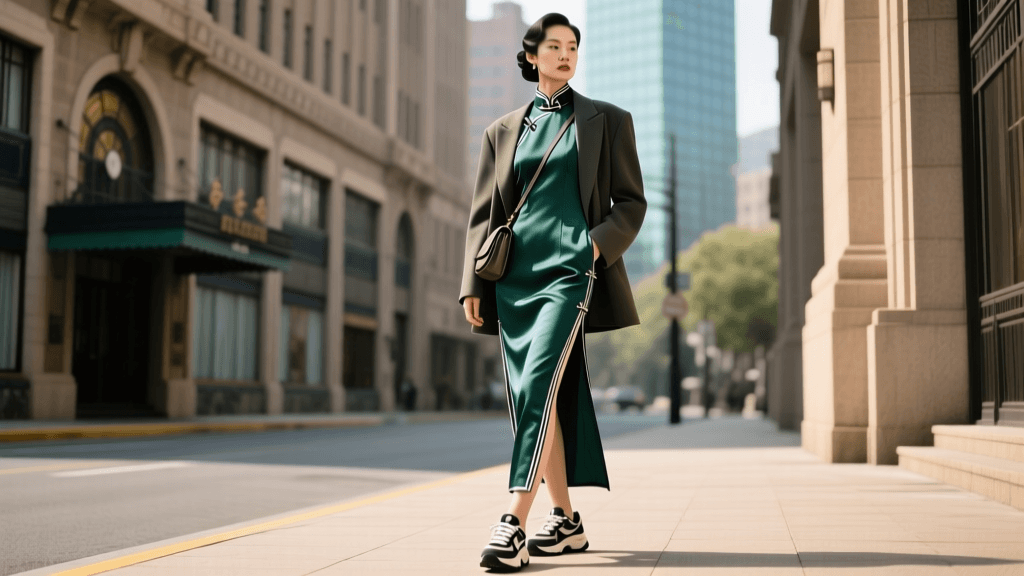
The Historical Evolution: From Scholar Gowns to Shanghai Glamour
The qipao (also widely known as the cheongsam) is arguably the most recognizable and culturally significant garment in Chinese fashion history. Translating literally to "banner robe," the original qipao was a loose, straight, and modest garment worn by Manchu women during the Qing Dynasty (1644–1912). It was designed to conceal the figure and adhere to strict traditional modesty standards. However, the garment we recognize today is a product of radical social change and cosmopolitan influence.
The true evolution of the qipao began in the 1920s in Shanghai, a bustling metropolis where Eastern traditions collided with Western modernity. Influenced by the May Fourth Movement and the rise of the modern "New Woman," Shanghai's socialites and students began tailoring the traditional robe to fit the body's natural contours. As highlighted by The Metropolitan Museum of Art's landmark exhibition on Chinese fashion, the 1930s marked the Golden Age of the qipao. It featured high mandarin collars, form-fitting bodices, asymmetrical frog button fastenings, and daring side slits that offered unprecedented freedom of movement. This era cemented the qipao as a global symbol of Shanghai glamour, jazz-age sophistication, and feminine empowerment.
Following a period of decline in the mid-20th century, the qipao experienced a massive cinematic and cultural revival in the late 1990s and early 2000s, most notably through Maggie Cheung’s iconic wardrobe in Wong Kar-wai’s film In the Mood for Love. Today, the garment has transcended its cinematic and formal roots, entering a dynamic new phase driven by youth culture and contemporary fashion.
The "New Chinese Style" (Xin Zhongshi) Movement
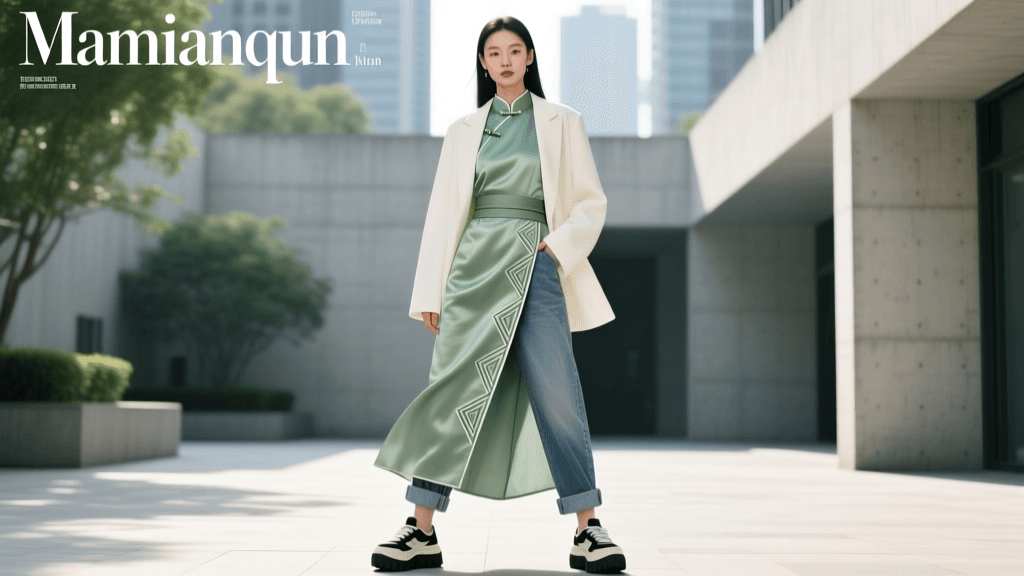
In the 2020s, the qipao has been entirely reimagined through the lens of the "New Chinese Style" (Xin Zhongshi) movement. This trend is not about wearing a strict historical replica; rather, it is about deconstructing traditional elements and blending them with modern, everyday streetwear. Recent coverage by South China Morning Post Fashion highlights how Gen-Z consumers and independent Asian designers are driving this trend, utilizing unconventional fabrics like denim, neoprene, and vegan leather to make the qipao accessible, edgy, and suitable for daily wear.
The Xin Zhongshi movement encourages breaking the rules. The traditional silk brocade is often swapped for breathable cottons, the high collar is sometimes lowered or replaced with a sweetheart neckline, and the iconic frog buttons (pankou) are used as decorative accents on otherwise modern silhouettes like A-line mini dresses, two-piece co-ord sets, and even outerwear.
Modern Styling: Breaking the Rules for Everyday Wear
Styling a qipao for the modern wardrobe requires moving away from the idea that it is strictly formalwear. Here is how to integrate the cheongsam into your everyday rotation:
Footwear Pairings
The most common styling mistake is pairing a modern qipao with delicate stilettos, which can make the outfit look like a costume or a flight attendant uniform. Instead, ground the elegance of the dress with chunky, utilitarian footwear. A midi-length linen qipao paired with crisp white sneakers (such as the Nike Air Force 1 or New Balance 550) creates a perfect high-low streetwear aesthetic. For autumn and winter, pair a long-sleeved, dark-toned qipao with chunky combat boots like the Dr. Martens Jadon to add a grunge-inspired edge to the traditional silhouette.
Layering Techniques
Layering is essential for adapting the qipao to different seasons and adding visual depth. In cooler months, wear a sheer or ribbed turtleneck underneath a sleeveless qipao. For a fashion-forward editorial look, throw an oversized, structured vintage blazer or a distressed leather motorcycle jacket over a sleek, form-fitting cheongsam. This juxtaposition of tough outerwear and delicate traditional tailoring is a hallmark of modern Asian street style.
Accessorizing the Qipao
While jade bangles and pearl drop earrings are beautiful and historically accurate, modern styling calls for contemporary hardware. Opt for chunky silver chain necklaces, minimalist geometric earrings, or layered rings. Swap the traditional embroidered silk clutch for a modern crossbody bag, a sleek shoulder bag, or even a minimalist canvas tote for daytime errands.
Occasion-Based Qipao Selection
Choosing the right qipao depends heavily on the occasion. Understanding the nuances of cut, color, and fabric will ensure you are appropriately dressed while expressing your personal style.
- Weddings and Formal Galas: Opt for floor-length or midi-length silhouettes in rich silk brocade or velvet. Traditional colors like crimson red, emerald green, and deep navy are preferred, often featuring intricate gold or silver embroidery of phoenixes, peonies, or dragons. The slit should be moderate (just above the knee) to maintain elegance while seated.
- Corporate and Office Wear: A sleeveless or short-sleeved midi qipao in muted tones (charcoal, navy, beige, or soft pastels) made from matte crepe or high-quality linen is ideal. Avoid loud patterns and high slits. Pair with a modest heel or a sophisticated loafer.
- Casual Streetwear and Travel: Choose a short, A-line, or skater-style qipao made from denim, cotton, or jersey. These offer maximum mobility and comfort. Short slits or no slits at all are common in these modern, playful adaptations.
Fabric, Fit, and Functionality: A Practical Guide
The fabric you choose dictates not only the drape and formality of the qipao but also its maintenance and comfort. According to archival tailoring techniques preserved in the Victoria and Albert Museum's Asian collections, the traditional one-piece cutting method requires fabrics that hold their shape while allowing for the body's movement. Below is a practical comparison chart to help you select the right material for your needs.
| Fabric Type | Best For | Maintenance | Estimated Cost (USD) |
|---|---|---|---|
| Silk Brocade | Weddings, Formal Galas, Heritage Events | Dry Clean Only; Store flat or on padded hangers | $150 - $400+ |
| Linen & Cotton Blends | Everyday Wear, Office, Summer Outings | Machine Wash Cold, Hang Dry; Iron on medium | $60 - $120 |
| Neoprene / Scuba | Streetwear, Evening Edgy Looks, Winter | Wipe Clean or Gentle Wash; Do not iron directly | $80 - $180 |
| Denim | Casual Outings, Travel, Weekend Wear | Machine Wash Inside Out; Tumble dry low | $70 - $150 |
Tailoring and Measurements: Getting the Perfect Fit
Unlike Western dresses that often rely on darts and seams to create shape, the traditional qipao is cut from a single piece of fabric, relying on precise measurements and the strategic placement of the side slits to accommodate movement. If you are investing in a custom-tailored qipao, whether from a local artisan or a renowned hub like Shanghai’s South Bund Fabric Market, you must provide exact measurements.
Crucial Measurements for Your Tailor
- Bust, Waist, and Hips: The qipao should skim the body, not strangle it. Leave a half-inch of ease in the waist and hips so you can sit and breathe comfortably.
- Shoulder Width and Armhole Depth: A poorly fitted armhole will cause the entire dress to ride up when you lift your arms. Ensure the tailor measures the armhole snugly but allows for a full range of motion.
- Collar Height: The traditional mandarin collar is usually 3 to 4 centimeters high. If you have a shorter neck or plan to wear the dress for long hours, request a 2-centimeter collar to prevent chafing.
- Slit Height: This is critical for both aesthetics and modesty. For everyday wear and commuting, keep the slit at or just above the knee (approximately 15 to 18 inches from the hem). For formal events, a higher slit (20+ inches) is traditional and elongates the legs, but it requires careful movement and often the wearing of high-waisted briefs or slip shorts underneath.
Cost and Timing for Custom Tailoring
If you are traveling to Asia, cities like Shanghai, Hong Kong, and Hoi An (Vietnam, for Sino-influenced variations) offer incredible bespoke tailoring. In Shanghai, expect to pay between $100 and $250 for a high-quality, custom-fitted qipao, with a turnaround time of 3 to 7 days (including at least two fitting sessions). For those ordering online from international bespoke platforms, factor in 4 to 6 weeks for production and shipping, and always order a muslin mock-up first if the platform offers it, to ensure the complex neckline and armholes fit perfectly before the final silk is cut.
Conclusion: A Living Garment
The qipao is far from a relic of the past confined to museum archives or period dramas. Through the innovative lens of the Xin Zhongshi movement and modern streetwear styling, the cheongsam has proven its incredible versatility. By understanding its rich history, selecting the appropriate fabrics for your lifestyle, and mastering the art of contemporary styling and precise tailoring, you can seamlessly integrate this iconic piece of Asian heritage into your modern, everyday wardrobe. Whether you are navigating a corporate boardroom, attending a wedding, or exploring a new city in chunky sneakers and denim, the modern qipao remains a powerful, elegant statement of cultural pride and personal style.