Chinese Couture Runway Trends: Styling Mamianqun & Silk
The Global Runway Embrace of Chinese Heritage
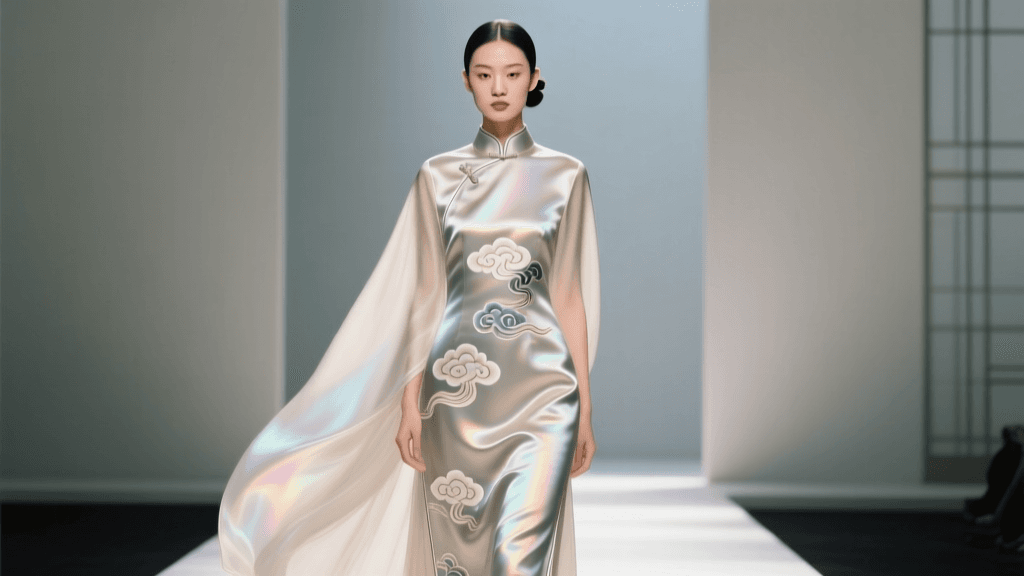
The intersection of Eastern heritage and Western haute couture has evolved dramatically over the past decade. Moving beyond superficial Orientalism, today's international runways are deeply engaged with the structural engineering and textile mastery of traditional Chinese garments. This profound dialogue between East and West was notably cemented by the Metropolitan Museum of Art's landmark 2015 exhibition, China: Through the Looking Glass, which explored how Chinese aesthetics have fueled the Western fashion imagination for centuries. Today, that inspiration has matured into a collaborative appreciation, with global fashion houses and avant-garde Chinese couturiers alike elevating historical garments like the Mamianqun and heritage textiles like Xiangyunsha to the pinnacle of modern luxury.
For fashion collectors, stylists, and enthusiasts, understanding how to source, authenticate, and style these couture-level pieces is essential. This guide breaks down the anatomy of these runway staples, offering actionable advice on measurements, sourcing costs, and modern styling techniques to seamlessly integrate Chinese heritage into a contemporary luxury wardrobe.
Key Runway Elements: Mamianqun and Xiangyunsha
The Mamianqun (Horse-Face Skirt)
The Mamianqun, or "horse-face skirt," is a masterpiece of traditional Chinese garment engineering. Originating in the Song and Ming dynasties, it is defined by its unique structure: two flat, overlapping front and back panels (the "horse faces") flanked by deeply pleated side sections. This design allowed for ease of movement while maintaining a statuesque, columnar silhouette. On recent international runways, designers have adapted the Mamianqun by playing with proportions—cropping it to midi-lengths for ready-to-wear or extending it into dramatic, heavily embroidered trains for haute couture.
Actionable Sizing & Measurement Guide:
Ordering a bespoke or high-end Mamianqun requires precise measurements to ensure the pleats sit correctly without splaying awkwardly.
- Waist Measurement: Measure your natural waist. For a traditional wrap closure, the total waistband length must be your waist measurement multiplied by 1.5 to 2.0. This extra fabric allows for the overlapping flat panels and ensures the side pleats remain closed when walking.
- Length: The standard runway and editorial length is 95cm to 105cm, designed to hit just above the ankle bone. This prevents the hem from dragging while allowing the wearer to showcase statement footwear.
- Hem Width: A high-quality couture Mamianqun will have a hem circumference of at least 4 to 6 meters, providing the necessary volume for the signature "lantern" effect when the wearer twirls or walks briskly.
Xiangyunsha (Gambiered Canton Gauze)
While the Mamianqun provides structural drama, Xiangyunsha provides unparalleled textile luxury. Known as "soft gold," this gambiered Canton gauze is an intangible cultural heritage of Guangdong province. The fabric is dyed using the juice of the Dioscorea cirrhosa (shoulang) yam and then coated with iron-rich river mud. This labor-intensive process, repeated dozens of times over several months of sun-drying, results in a dual-toned fabric: a deep, lustrous black on one side and a rich, earthy brown on the other. International couturiers prize Xiangyunsha for its crisp, sculptural drape and its unique, leather-like patina that develops with wear.
Cost and Timing Expectations:
Authentic Xiangyunsha is entirely dependent on weather conditions for the sun-drying phases. Expect to pay between $150 to $300 USD per yard for genuine heritage silk. Because the weaving and dyeing process cannot be rushed, commissioning a bespoke Xiangyunsha gown or coat from a heritage atelier typically requires a lead time of 3 to 6 months.
Sourcing and Investing in Couture-Level Pieces
When building a wardrobe inspired by international runway trends, it is crucial to understand the tiers of the market. Below is a comparison chart to help you navigate sourcing traditional Chinese garments, from entry-level street style to investment-grade couture.
| Sourcing Tier | Price Range (USD) | Material & Construction | Lead Time | Best Use Case |
|---|---|---|---|---|
| Mass-Market Hanfu Brands | $40 - $120 | Polyester blends, synthetic brocades, machine-pressed pleats. | In-stock (1-2 weeks) | Daily street style, cosplay, entry-level editorial styling. |
| Independent Designer Fusion | $250 - $800 | 100% Mulberry silk, jacquard weaves, tailored modern fits, hidden zippers. | Made-to-order (4-8 weeks) | Fashion week street style, evening events, gallery openings. |
| Haute Couture & Bespoke Heritage | $1,500 - $10,000+ | Authentic Xiangyunsha, hand-embroidered Suzhou silk, traditional hand-stitched hems. | Bespoke (3-6 months) | Met Gala-level galas, museum exhibitions, investment collecting. |
Practical Styling Guide for the Modern Wardrobe
Translating runway concepts into wearable, everyday luxury requires a balance of proportions and textures. The key to styling a Mamianqun in a contemporary context is juxtaposition. Because the skirt is inherently voluminous and rich in pattern, the upper body should remain streamlined.
- The Power Suit Juxtaposition: Pair a heavy, dark-toned brocade Mamianqun with a sharply tailored, oversized wool blazer and a fitted silk turtleneck. This merges the architectural pleats of the skirt with the structured shoulders of Western menswear-inspired tailoring.
- Footwear Selection: Avoid traditional cloth shoes unless you are attending a specific heritage festival. To ground the silhouette in modern couture, opt for pointed-toe leather ankle boots, sleek loafers, or minimalist stiletto mules. The sharp toe elongates the leg and complements the geometric lines of the skirt's flat front panels.
- Accessorizing Xiangyunsha: If you are wearing a Xiangyunsha jacket or skirt, let the fabric's natural luster be the focal point. Avoid highly reflective jewelry; instead, choose matte gold, oxidized silver, or carved jade accessories to harmonize with the fabric's organic, earthy origins.
Authenticating and Caring for Heritage Textiles
As the demand for Chinese couture elements rises, so does the market for synthetic imitations. Knowing how to authenticate heritage textiles is vital for serious collectors.
Authenticating Xiangyunsha:
Genuine gambiered gauze features a distinct "crackle" or ice-crack pattern on the black side, caused by the river mud coating drying and shrinking in the sun. Furthermore, authentic Xiangyunsha possesses a faint, earthy, herbal scent reminiscent of dried yams and damp earth. If the fabric smells of synthetic chemicals or has a perfectly uniform, untextured glossy finish, it is likely a polyurethane-coated imitation.
Conservation and Care:
Proper care is essential to preserve the structural integrity of these garments. Drawing upon the conservation principles championed by institutions like the Victoria and Albert Museum's Asian Collections, heritage silks must be protected from direct UV light and high humidity, which can cause the natural dyes to fade or the silk proteins to degrade.
- Cleaning: Never machine wash or aggressively hand-wash Xiangyunsha or heavily embroidered Suzhou silk. The mud coating on Xiangyunsha will strip, and water will ruin the tension of hand-embroidery. Always seek a specialist heritage textile dry cleaner.
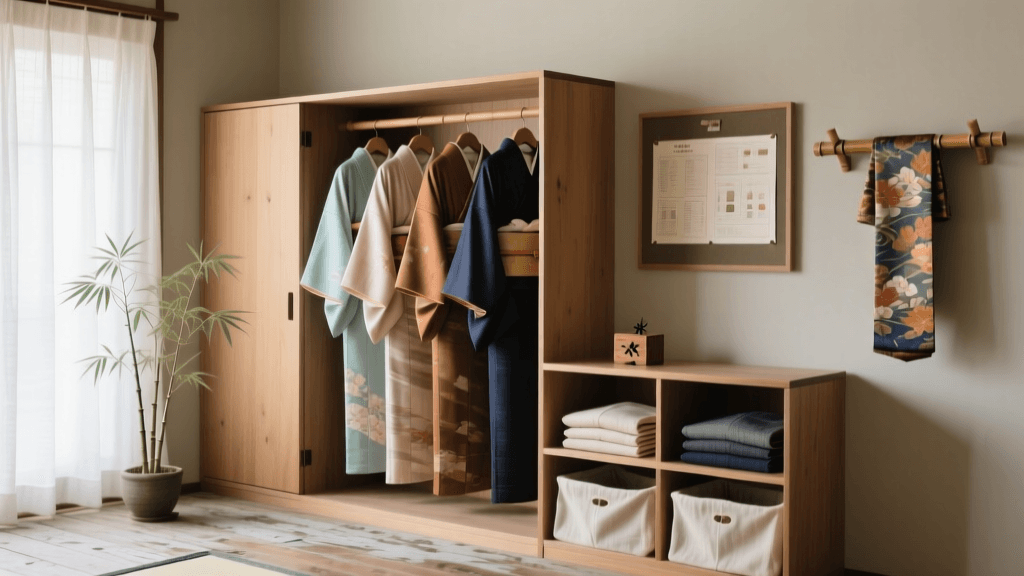
- Storage: Do not hang heavy Mamianqun skirts on wire hangers, as the weight of the fabric will distort the waistband and stretch the pleats. Store them flat or gently rolled in acid-free tissue paper inside a breathable cotton garment bag to prevent permanent creasing and protect against moisture.
The Future of Chinese Couture on the Global Stage
The integration of Chinese traditional garments into international couture represents a vital shift in the global fashion narrative. Designers are no longer relying on generic motifs like dragons or cherry blossoms; instead, they are studying the zero-waste cutting techniques, the complex pleating mathematics, and the sustainable, nature-reliant dyeing processes of ancient Chinese artisans. By investing in, properly styling, and meticulously caring for pieces like the Mamianqun and Xiangyunsha silk, modern fashion enthusiasts do more than just follow a trend—they become active participants in the preservation and global elevation of Asian sartorial heritage.