Modern Mamianqun Guide: Styling Hanfu Fusion Streetwear
The Renaissance of the Mamianqun in Modern Fusion Fashion
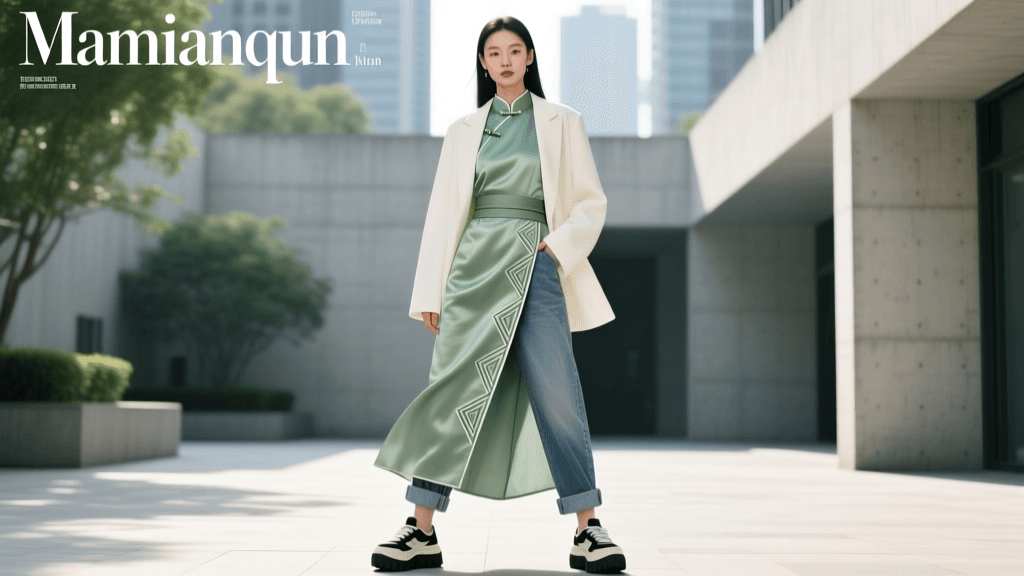
The Mamianqun, literally translating to 'horse-face skirt,' is a hallmark of traditional Chinese clothing that originated in the Song Dynasty and reached its zenith during the Ming and Qing dynasties. Characterized by its unique structural design—featuring two flat, unpleated overlapping front and back panels (the 'doors') flanked by intricately folded side pleats—the Mamianqun was historically a symbol of elegance and social status. Today, it has experienced a monumental renaissance, evolving from a niche historical garment into a cornerstone of 'Xin Zhongshi' (New Chinese Style) and modern fusion streetwear.
In recent years, the garment has transcended historical reenactment to become a staple in the daily wardrobes of young fashion enthusiasts. According to industry analysis by Sixth Tone, the broader Hanfu movement is heavily driven by Gen Z consumers who seamlessly blend traditional silhouettes with contemporary urban aesthetics. The global spotlight on this specific skirt intensified in 2022 when netizens accused a major French luxury house of plagiarizing the Mamianqun's distinct silhouette in their mid-length skirt collection. As documented by Reuters, this controversy catalyzed a massive surge in domestic pride and global awareness, prompting independent designers to innovate with modern fabrics and styling.
Today, fashion editors note that blending heritage garments with contemporary pieces is a dominant global trend. Vogue highlights how the modern Hanfu movement is not about strict historical accuracy, but rather about integrating cultural heritage into modern, dynamic lifestyles. The Mamianqun, with its architectural pleats and flowing movement, is the perfect canvas for this fusion.
Anatomy and Sizing: Getting the Perfect Fit
Unlike standard Western skirts that rely on darts or elastic waistbands, the traditional Mamianqun is a wrap skirt that relies on precise overlapping and tying. However, modern fusion adaptations have introduced structural changes for everyday convenience. Understanding the measurements is crucial for a flawless fit.
- Waist Measurement: Measure your natural waist. For traditional tie-versions, add 2 to 4 centimeters to your exact waist measurement to account for the overlapping flat panel (the 'door'). If purchasing a modern version with a hidden side zipper, order your exact waist measurement.
- Skirt Length: Traditional skirts are ankle-grazing (100-110 cm). For modern streetwear, a midi length (75-85 cm) hitting just below the calf is highly recommended, as it prevents the pleats from dragging on urban pavements and pairs well with chunky footwear.
- Pleat Width: Modern fusion skirts typically feature knife pleats ranging from 2 cm to 4 cm wide. Narrower pleats (2 cm) offer a more structured, formal look, while wider pleats (4 cm) provide a relaxed, flowing drape suitable for casual streetwear.
Traditional vs. Modern Fusion Mamianqun
To successfully integrate the horse-face skirt into a contemporary wardrobe, it is essential to understand how modern manufacturers have adapted the garment for daily wear.
| Feature | Traditional (Ming/Qing) | Modern Fusion | Fusion Styling Tip |
|---|---|---|---|
| Fabric | Silk, Brocade, Cotton | Jacquard, Organza, Tech-nylon, Denim | Pair tech-nylon or denim skirts with chunky sneakers for a cyberpunk or streetwear aesthetic. |
| Length | Ankle-grazing (100-110 cm) | Midi (75-85 cm) or Maxi (95-105 cm) | Midi lengths work best for office environments and casual daytime wear, avoiding tripping hazards. |
| Fasteners | Fabric ties, Buttons | Hidden zippers, Hook-and-eye, Velcro | Skirts with hidden zippers provide a sleeker, less bulky silhouette under fitted modern tops. |
| Patterns | Dragons, Phoenixes, Flora | Geometric, Minimalist, Solid colors | Solid dark colors or subtle geometric jacquards seamlessly integrate into corporate or minimalist wardrobes. |
| Price Range | Historical Reproductions ($80+) | Fast Fashion to Designer ($25 - $200+) | Invest in mid-range ($50-$90) for durable, high-temperature heat-set pleats that survive washing. |
Fusion Styling: Three Actionable Looks
1. The Urban Commuter (Office Chic)
Transform the Mamianqun into a sophisticated office-appropriate piece by treating it like a structured midi skirt. Choose a solid-colored or subtle floral jacquard skirt in a midi length (approx. 80 cm). Pair it with a crisp, oversized white button-down shirt, half-tucked into the flat front panel to highlight the skirt's architecture. Layer with a tailored, slightly oversized blazer. Complete the look with pointed-toe ankle boots or loafers. Estimated Cost: Skirt ($45), Blazer ($80), Boots ($60).
2. Tech-Wear Streetwear Edge
For an avant-garde streetwear look, leverage modern fabric innovations. Select a Mamianqun crafted from water-resistant tech-nylon or black denim with silver hardware accents. Pair it with a fitted, cropped graphic tee or a tactical vest. The contrast between the ancient pleated silhouette and modern utilitarian fabrics creates a striking visual. Footwear should be chunky platform sneakers or combat boots. Accessorize with a crossbody chest bag and silver chain jewelry. Estimated Cost: Tech-skirt ($65), Tactical Vest ($50), Platform Sneakers ($90).
3. Romantic Autumn Layering
As temperatures drop, the Mamianqun becomes an exceptional layering piece. Opt for a heavy wool-blend or thick velvet skirt in a rich jewel tone (emerald, ruby, or sapphire). Pair it with a fitted, ribbed turtleneck sweater tucked in. Add a cropped leather moto jacket to introduce a tough, modern texture that contrasts beautifully with the romantic volume of the pleats. Finish with sheer black tights and knee-high leather boots. Estimated Cost: Wool-blend skirt ($75), Leather Jacket ($150), Knee-high boots ($120).
Fabric Selection for Year-Round Wear
The versatility of the modern Mamianqun lies in its fabric diversity. For Spring and Summer, seek out woven organza, lightweight chiffon, or thin cotton-linen blends. These fabrics allow the pleats to catch the wind, creating an ethereal, floating effect. However, be aware that lighter fabrics may require a slip skirt underneath to prevent transparency. For Autumn and Winter, modern manufacturers utilize heavy polyester jacquards, wool blends, and even corduroy. These heavier fabrics hold the pleats exceptionally well and provide necessary warmth, allowing you to wear traditional silhouettes in freezing urban environments without sacrificing comfort.
Care and Maintenance: Preserving the Pleats
The most intimidating aspect of owning a Mamianqun is maintaining its sharp, architectural pleats. Modern fusion skirts solve this by using synthetic blends (like polyester-nylon) that are heat-set at the factory, making them semi-permanent. To ensure longevity:
- Washing: Avoid machine washing, which can crush the pleats and cause the flat panels to warp. Hand wash in cold water with a mild detergent. If you must use a machine, place the skirt in a fine mesh laundry bag, fold it neatly along the pleat lines, and use a delicate cycle.
- Drying: Never wring out the skirt. Gently press out excess water with a clean towel. Hang the skirt on a hanger with multiple clips, ensuring the clips are aligned perfectly with the top edge of the pleats. The weight of the wet fabric will naturally pull the pleats straight as it air dries.
- Ironing: If the pleats lose their edge, lay the skirt flat on an ironing board. Carefully fold the pleats back into their original lines, secure them with hair clips or sewing pins, and use a steam iron on a low-to-medium setting. Always use a pressing cloth between the iron and the fabric to prevent synthetic fibers from melting or developing a shiny residue.
Purchasing Guide: Budgets and Timelines
When shopping for a modern Mamianqun, buyers will encounter two primary market terms: Xianhuo (in-stock) and Dingzhi (custom/pre-order).
Xianhuo items are ready to ship and typically arrive within 7 to 14 days globally via ePacket or YunExpress. These are usually mass-produced fusion designs priced between $25 and $60. They are excellent for beginners experimenting with the silhouette.
Dingzhi items are produced in small batches by independent Hanfu studios. These skirts often feature exclusive, copyrighted jacquard weaves, superior tailoring, and premium hardware. The trade-off is time: pre-order periods usually last 15 to 45 days, as the fabric must be custom-woven and the pleats meticulously heat-set. Prices for Dingzhi skirts range from $80 to over $200. For buyers seeking a high-quality garment that bridges the gap between historical reverence and modern high fashion, the wait time and investment are entirely justified.
The Mamianqun is no longer confined to museum displays or historical dramas. By understanding its structure, selecting the right modern fabrics, and pairing it with contemporary streetwear staples, you can reclaim this ancient silhouette and make it a powerful, everyday statement of cultural fusion.