Murasaki Shikibu's Legacy: Mastering Kimono Color Layering
The Literary Icon Who Defined Japanese Color Theory
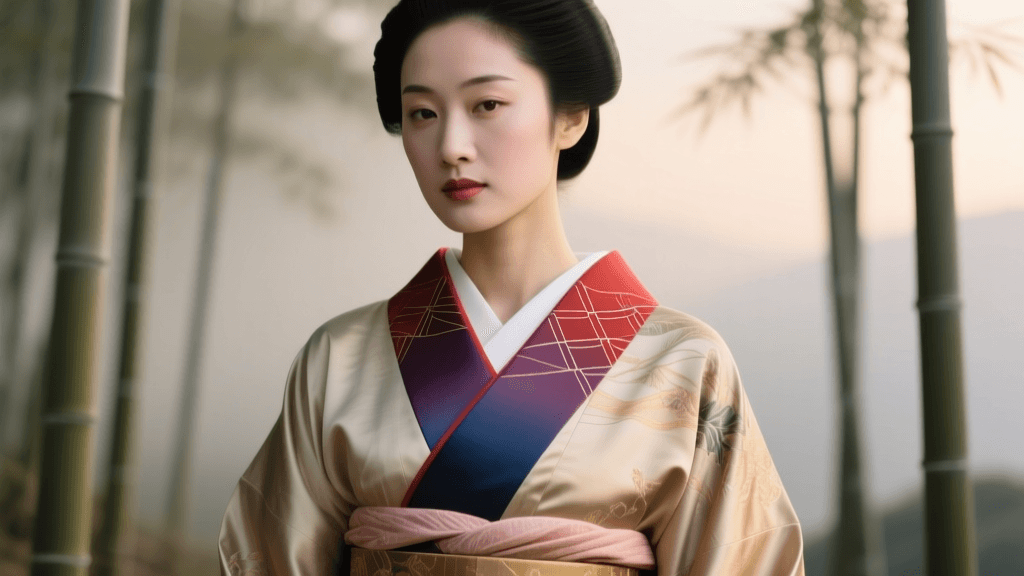
When discussing historical fashion icons whose influence transcends centuries, few figures loom as large in Japanese cultural history as Murasaki Shikibu. Best known as the author of The Tale of Genji in the early 11th century, Murasaki was not merely a novelist; she was a meticulous observer and arbiter of Heian-period court aesthetics. In an era where women of the imperial court were largely shielded from public view behind bamboo blinds and folding fans, their sartorial choices—specifically the layering of colors—became their primary mode of self-expression and social communication.
Murasaki’s writings immortalized the concept of kasane no irome (the layering of colors). Courtiers were judged not by their facial features, but by the subtle, poetic gradients of silk peeking out from their sleeves, hems, and collars. According to the Metropolitan Museum of Art, the Heian period represented a pinnacle of indigenous Japanese aesthetic development, where the appreciation of seasonal transitions and subtle color harmonies became deeply embedded in the national consciousness. Today, while the cumbersome twelve-layer junihitoe robes of the Heian court are reserved strictly for the Imperial family during rare state ceremonies, the foundational philosophy of kasane remains a vital, living component of modern kimono dressing.
Understanding Kasane no Irome in Modern Dress
Modern kimono wearers translate the grand, multi-layered robes of Murasaki’s era into a more practical, yet equally elegant, system of collar and undergarment layering. The Victoria and Albert Museum notes that the evolution of the kimono from the Heian period to the Edo period saw the outer garment become more standardized, shifting the expressive burden to the obi (sash) and the layered collars at the neckline.
For the contemporary practitioner, mastering this legacy means understanding the interplay between the nagajuban (under-robe), the han-eri (detachable primary collar), and the kasane-eri or date-eri (the secondary false collar used to simulate layering). By carefully selecting and aligning these elements, you can evoke the poetic sensibilities of the 11th-century court while adhering to modern dress codes.
The Anatomy of a Layered Ensemble
To recreate the Heian aesthetic today, you must focus on the neckline, which is the focal point of the modern kimono silhouette. The layering system consists of three primary components:
- Nagajuban: The base undergarment that protects the outer silk kimono from body oils and sweat.
- Han-eri: A detachable collar sewn onto the nagajuban. This acts as the "base" layer of color.
- Kasane-eri (Date-eri): A secondary, decorative collar pinned or basted over the han-eri. This provides the contrasting "peek" of color that mimics the sleeve layers of the junihitoe.
Actionable Guide: Building and Wearing a Kasane-Eri Set
Transitioning from a single-collar look to a historically inspired layered look requires specific products, precise measurements, and an understanding of textile behavior. Here is your practical guide to sourcing and styling your modern kasane.
Sourcing and Costs
Investing in quality collar components is essential, as they frame the face and dictate the formality of the outfit.
- Primary Han-eri: Opt for a silk crepe (chirimen) or silk rinzu (figured satin) collar in a neutral or pale seasonal shade. Cost: $40 to $120 depending on embroidery and dyeing techniques.
- Secondary Kasane-eri: Purchase a synthetic washable date-eri for daily practice, or a hand-dyed silk one for formal events. Cost: $15 to $35 for synthetic; $50 to $90 for silk.
- Collar Stays (Eri-shin): Essential for keeping both layers crisp. Buy flexible plastic or bamboo stays. Cost: $5 to $10.
Measurements and Alignment Technique
The secret to Heian-inspired layering is the "peek." If the secondary collar is too wide, it looks clumsy; if it is too narrow, it disappears.
- Standard Width: A standard han-eri is approximately 11 cm wide when folded and attached.
- The Offset: When pinning your kasane-eri over the primary collar, offset it by exactly 2 to 3 millimeters. This creates a razor-thin line of contrasting color that perfectly mimics the edge of a layered Heian sleeve.
- The V-Shape: Ensure the collars form a gentle, symmetrical V-shape at the nape of the neck (the eri-nuki space). The traditional gap between the collar and the nape should accommodate roughly one fist (about 8-10 cm), allowing the layered colors to be visible from behind.
"In the layering of colors, one does not merely wear a garment; one wears the season, the weather, and the poetry of the day." — Adapted from Heian Court Aesthetics
Seasonal Timing and Color Combinations
The Japan National Tourism Organization (JNTO) emphasizes that traditional Japanese culture is inextricably linked to the changing of the seasons. In kimono dressing, this is governed by a strict calendar. You must transition from awase (lined garments) to hitoe (unlined) and usumono (sheer) at specific times of the year. Your collar layering must reflect these shifts.
Below is a data table detailing historically inspired kasane no irome combinations adapted for modern collar layering, aligned with the traditional fashion calendar.
| Season & Timing | Primary Collar (Han-eri) | Secondary Collar (Kasane-eri) | Outer Kimono Suggestion | Poetic Name / Inspiration |
|---|---|---|---|---|
| Early Spring (Feb - Mar) | Pale Willow Green | Deep Plum Purple | Pink or Ivory Awase (Lined) | Kobai (Red Plum Blossoms under snow) |
| Late Spring (Apr - May) | Soft Sakura Pink | Crisp Snow White | Pastel Blue or Yellow Awase | Hana-zakura (Cherry blossoms against the sky) |
| Summer (Jun - Aug) | Woven White Ro (Sheer) | Ice Blue or Water Motif | Sheer Usumono (Ro or Sha) | Kawa-mizu (Cool river waters) |
| Autumn (Sep - Nov) | Burnt Orange or Gold | Deep Crimson Red | Earthy Brown or Slate Hitoe/Awase | Momiji (Turning maple leaves) |
| Winter (Dec - Jan) | Snow White Silk | Pale Ice Blue or Silver | Deep Navy or Black Awase | Shirayuki (First snow on frozen lakes) |
Timing Your Wardrobe Transition
- October 1st to May 31st: Wear awase (lined) kimono. This is the time for rich, opaque silk collars and heavier kasane-eri combinations.
- June and September: Wear hitoe (unlined) kimono. Transition to lighter silk collars. The kasane-eri should be subtle and less contrasting.
- July and August: Wear usumono (sheer textiles like ro or sha). Avoid heavy secondary collars. Instead, use a single, beautifully embroidered sheer han-eri to maintain a cooling visual effect.
Sourcing and Caring for Layered Textiles
Maintaining the pristine condition of your layered collars is crucial, as they are the closest garments to the skin and bear the brunt of wear.
Washing and Maintenance
- Silk Han-eri: Must be dry-cleaned or hand-washed with extreme care using a specialized silk detergent. Never wring silk; roll it in a towel to absorb moisture and iron on a low setting with a pressing cloth.
- Synthetic Kasane-eri: Highly recommended for beginners and summer wear. These can be machine-washed in a mesh laundry bag on a gentle cycle with cold water (below 30°C). They dry quickly and hold their stiff shape without the need for heavy starching.
- Storage: Always unpin the kasane-eri after wearing. Storing collars while pinned can cause permanent creases and stress the silk fibers. Store them flat in a tatou-shi (traditional kimono wrapping paper) to prevent moisture buildup and yellowing.
Conclusion: Wearing History with Intention
Murasaki Shikibu’s legacy is not trapped in the glass cases of museums; it lives on every time a modern kimono wearer carefully aligns a secondary collar to create a 2-millimeter peek of contrasting color. By understanding the historical context of kasane no irome, investing in the proper undergarments, and respecting the seasonal calendar, you elevate the act of getting dressed from a mere routine to a profound engagement with Japanese artistic heritage. Whether you are attending a formal tea ceremony or a casual autumn stroll, the poetry of the Heian court remains at your fingertips, waiting to be layered, tied, and shared with the world.